Brown Trout
Salmo trutta
The Brown Trout is a common fish with beautiful brown spots on its body! They are great swimmers and can be found in many rivers.
Habitat: Cold freshwater rivers and lakes
The Brown Trout has a torpedo-shaped body with a mix of brown, gold, and green on its back, fading to creamy yellow underneath. Its sides are speckled with distinctive dark spots, often ringed with pale halos, and a few red or orange spots.
Category
FishRarity
Common
Danger
2/5 · Low
Snaps
2
A Brown Trout can leap over 6 feet high to jump up waterfalls!
Brown Trout love cold, clear water and need it to survive.
Some Brown Trout migrate to the sea, becoming 'sea trout,' then return to rivers!
They lay thousands of eggs in nests called "redds" on riverbeds.
Brown Trout can change their skin patterns and colors to blend perfectly with their riverbed or lake surroundings, helping them hide from predators and ambush prey.
Brown Trout can leap impressively high out of the water to overcome obstacles like small waterfalls, helping them reach important spawning grounds upstream.
Brown Trout has a powerful sense of smell that helps them detect prey and find their way back to their home streams, even in murky water.
Brown Trout are hungry hunters who eat lots of different creatures, from insects to smaller fish!
Age differences: Young trout mostly eat insects, while older, larger trout prey on small fish and crustaceans.
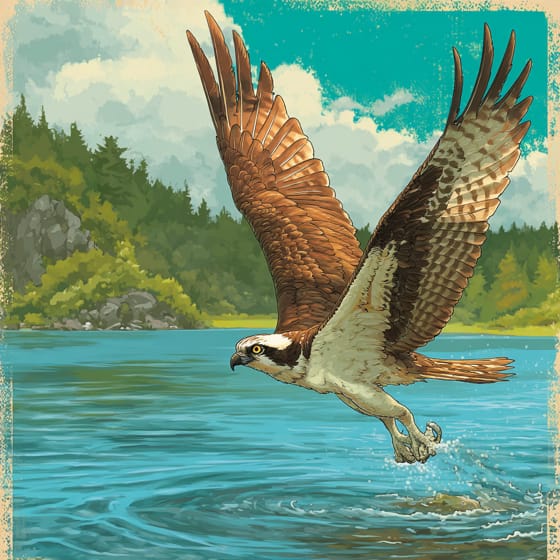
Pandion haliaetus
Ospreys dive from the sky to catch trout.
Lutra lutra
Otters are skilled hunters that prey on fish like trout.
Baetis rhodani
Young trout eat the larvae of these common river insects.
Gasterosteus aculeatus
Larger trout actively hunt and eat smaller fish like sticklebacks.
Wildlife encompasses all undomesticated animal and plant life existing in their natural habitats.
Camouflaged describes organisms that possess coloring or patterns that allow them to blend into their environment.
Colorful describes organisms or objects displaying a wide range of bright and distinct colors.
Piscivorous organisms are animals that primarily subsist on a diet of fish.

This trait characterizes organisms with an exceptionally long lifespan compared to others of their kind.

Freshwater habitats include non-saline aquatic environments such as rivers, lakes, ponds, and wetlands, vital for numerous species.

Aquatic habitats encompass environments where organisms live predominantly in water, including oceans, rivers, lakes, and wetlands.

Nocturnal animals are primarily active during the nighttime hours, typically resting or sleeping during the day.
Danger
2/5 · Low
Watch quietly from a distance and never try to feed or chase wild animals.
30-70 cm
0.5-5 kg
4-10 years
Brown Trout are hungry hunters who eat lots of different creatures, from insects to smaller fish!
15 km/h
Cold freshwater rivers and lakes
Ambush
50 m
Zoom in to split clusters and explore where this object has been snapped.