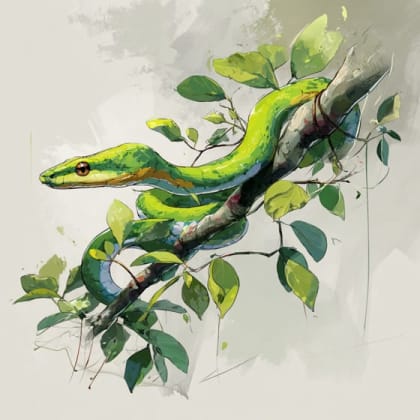
Monitor Lizard
Varanus
The Monitor Lizard is a large lizard that is very curious and loves to explore! It has a long tail and strong legs.
Habitat: Forests and deserts
The Monitor Lizard has a long, powerful body with strong limbs, a muscular tail, and a long neck. Their skin is covered in scales, often patterned with spots, bands, or mottles in shades of brown, green, black, and yellow. They possess a snake-like forked tongue.
Category
ReptilesRarity
Common
Danger
2/5 · Low
Snaps
Be the first to snap!
Many monitor lizards can detect hidden prey by sensing tiny changes in the ground.
Monitor lizards are surprisingly intelligent and can even recognize individual humans!
Some monitor lizards can climb trees using their sharp claws!
They are ancient reptiles, with relatives living over 90 million years ago.
Monitor Lizard can use its forked tongue to "taste" the air, helping them track prey from far away.
Monitor Lizard has a strong, muscular tail that helps them balance, swim, and deliver powerful defensive blows.
Monitor Lizard can hold its breath for long periods underwater, helping them hunt fish or escape predators.
These clever hunters eat almost any smaller animal they can catch, from insects to birds.
Age differences: Young monitors often eat more insects, while adults hunt larger prey like mammals and birds.
Rattus rattus
A common prey item in many habitats.
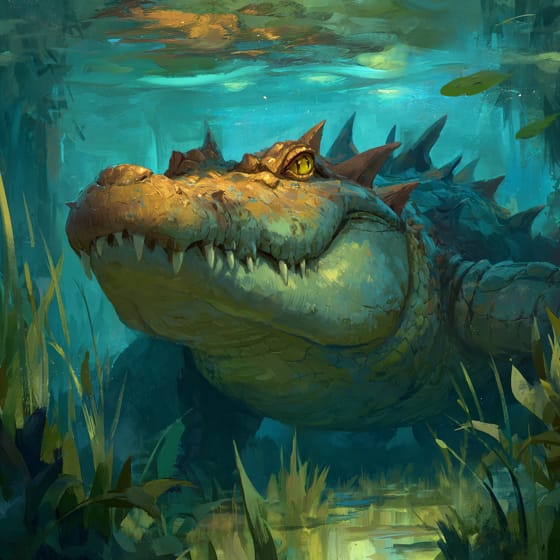
Crocodylus porosus
Larger predators may hunt smaller monitor species.
Gallus gallus
Will prey on eggs and chicks when available.
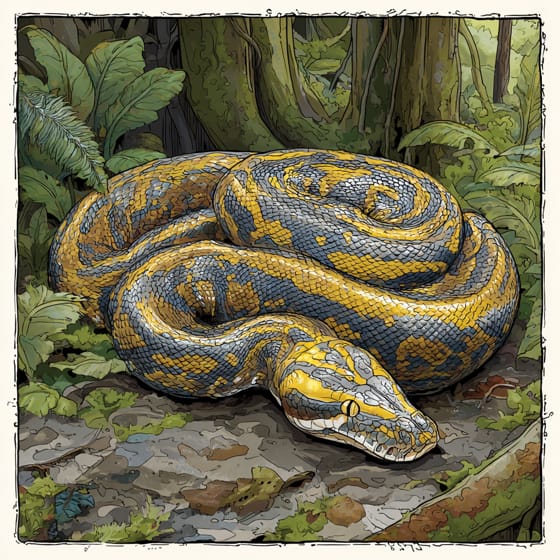
Python reticulatus
Large snakes can predate on smaller monitors.
Wildlife encompasses all undomesticated animal and plant life existing in their natural habitats.
This trait identifies organisms whose diet includes both plant and animal matter.
Desert habitats are arid regions characterized by extremely low precipitation and often extreme temperatures, supporting specialized flora and fauna.
Forest habitats are terrestrial environments dominated by dense tree cover, supporting a high diversity of plant and animal life.
Danger
2/5 · Low
Look but don’t touch. Keep a safe distance and wash hands after exploring.
60-300 cm
1-70 kg
10-25 years
35 km/h
These clever hunters eat almost any smaller animal they can catch, from insects to birds.
8 km/h
Forests and deserts
Ambush
Zoom in to split clusters and explore where this object has been snapped.
Recent snaps will appear here as new observations are added.