





Reticulated Python
Malayopython reticulatus
The Reticulated Python is a long snake known for its stunning patterns. They are excellent swimmers and can be very curious!
Habitat: Tropical forests and swamps
The Reticulated Python has a stunning, complex net-like pattern of tan, brown, black, and gold diamond shapes and stripes. Its scales can shimmer with iridescence, making its elaborate camouflage truly unique among large snakes.
Category
ReptilesRarity
Common
Danger
4/5 · High
Snaps
Be the first to snap!
Female pythons coil around eggs for months, keeping them warm and safe.
They are excellent swimmers and often found near water, even in the ocean!
This python is the world's longest snake, sometimes exceeding 20 feet!
Young pythons are skilled tree climbers, hunting birds and small mammals.
Reticulated Pythons can deliver an incredibly powerful squeeze that stops prey's blood flow, allowing them to overpower large animals.
Reticulated Pythons have flexible jaws that can unhinge, allowing them to swallow prey much wider than their own head.
Reticulated Pythons have intricate skin patterns that perfectly blend into the forest floor, helping them disappear while ambushing prey.
Reticulated Pythons possess special heat-sensing pits on their face, allowing them to 'see' warm-blooded prey even in total darkness.
These giant snakes eat various mammals and birds, ambushing them with a powerful squeeze.
Age differences: Young pythons hunt smaller prey like rodents and birds, while adults can tackle large mammals.
Rusa unicolor
A significant prey item for large adult pythons.

Macaca fascicularis
A common arboreal and terrestrial prey item.
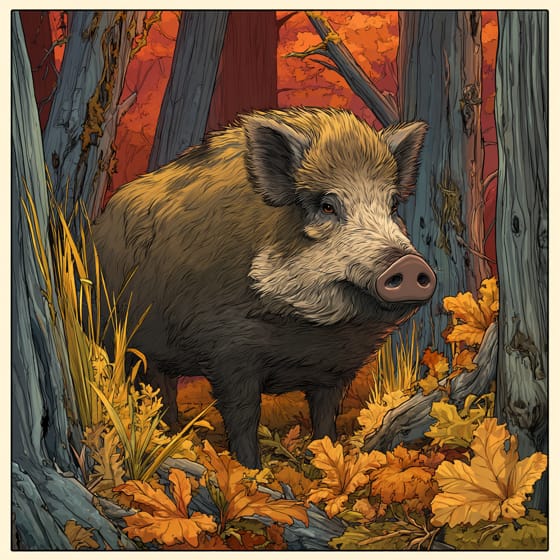
Sus scrofa
Adult pythons can ambush and consume juvenile wild boars.
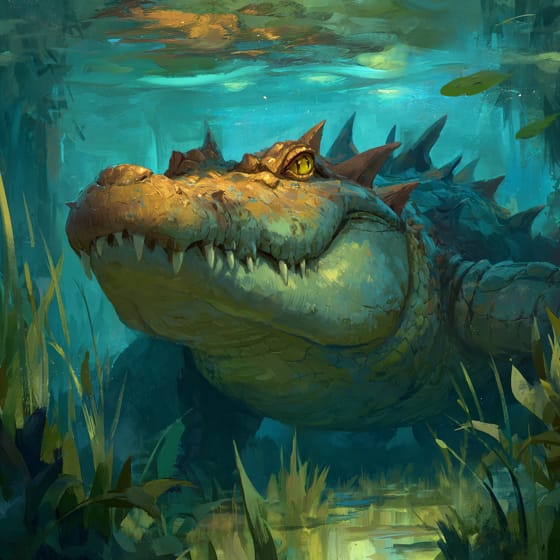
Crocodylus porosus
Young pythons are vulnerable to large crocodiles near water.
Wildlife encompasses all undomesticated animal and plant life existing in their natural habitats.
An ambush predator hunts by patiently waiting and concealing itself, then launching a sudden attack when unsuspecting prey comes within range.
This trait signifies organisms belonging to a very old evolutionary group with ancestors dating back millions of years.
This trait characterizes organisms with an exceptionally long lifespan compared to others of their kind.
This habitat trait refers to species found in tropical rainforests, characterized by high annual rainfall, high biodiversity, and dense tree cover.

This trait identifies organisms whose diet consists entirely or primarily of animal tissue.

Nocturnal animals are primarily active during the nighttime hours, typically resting or sleeping during the day.
Danger
4/5 · High
Look but don’t touch. Keep a safe distance and wash hands after exploring.
The easiest way to identify Reticulated Python is to use the Snappit nature identifier app.
300-650 cm
10-75 kg
15-25 years
8 km/h
These giant snakes eat various mammals and birds, ambushing them with a powerful squeeze.
Tropical forests and swamps
Ambush
Zoom in to split clusters and explore where this object has been snapped.
Recent snaps will appear here as new observations are added.
Take the discovery with you
Snap it with Snappit to identify it, learn what makes it special, and add the discovery to your collection.

















