Viburnum
Viburnum
Viburnum is a lovely plant that produces clusters of tiny flowers. It not only looks pretty but also smells wonderful!
Habitat: Woodlands and gardens
The Viburnum is a diverse group of shrubs or small trees, often featuring opposite leaves and clusters of small, typically white or pinkish flowers. Its appearance varies greatly, from evergreen to deciduous, with some species displaying vibrant autumn foliage and bright red or blue berries.
Category
PlantsRarity
Common
Danger
1/5 · Very low
Snaps
Be the first to snap!
Fossilized Viburnum leaves show they've been around for millions of years!
Its strong wood was once used to make arrow shafts.
Some Viburnum species smell like chocolate when they bloom!
Viburnum berries are a superfood for many migrating birds!
Viburnum can grow bright, colorful berries that attract birds, helping the plant spread its seeds far and wide.
Viburnum has leaves that can change from green to brilliant reds and purples in fall, signaling seasonal change and delighting onlookers.
Viburnum can produce large, showy clusters of flowers that attract a variety of pollinators, ensuring successful reproduction.
Apis mellifera
collects nectar and pollen

Turdus migratorius
feasts on nutrient-rich berries
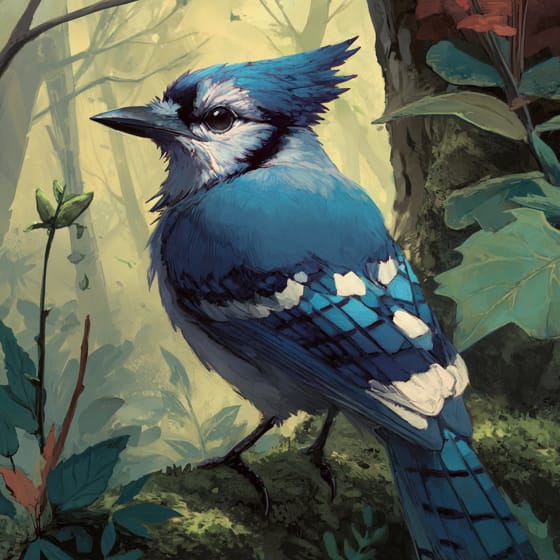
Cyanocitta cristata
disperses seeds after eating fruit
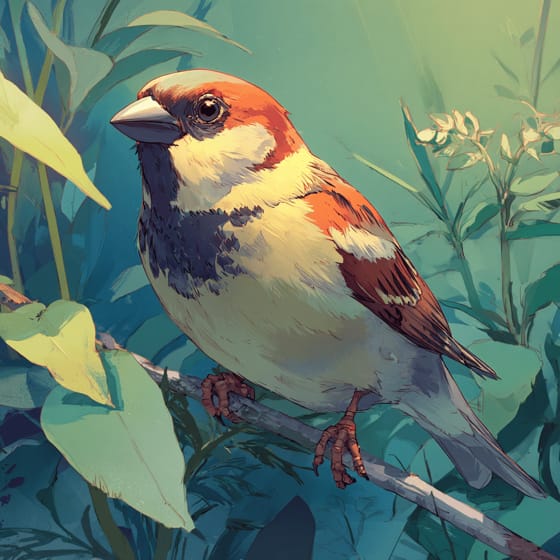
Passer domesticus
nests and seeks cover in dense foliage
Deciduous plants periodically shed all their leaves, typically during autumn or dry seasons.
Ornamental plants are cultivated primarily for their aesthetic appeal, enhancing landscapes and gardens with their attractive foliage, flowers, or form.
A shrub is a woody plant smaller than a tree, typically with multiple stems branching from or near the ground.
Fragrant flowers emit a pleasant aroma, often to attract pollinators or for defense.

Fruit-bearing plants produce fruits, which are the mature ovaries of flowering plants containing seeds.

Fall color refers to the seasonal change in foliage pigmentation, primarily in deciduous plants, displaying vibrant hues.

Forest habitats are terrestrial environments dominated by dense tree cover, supporting a high diversity of plant and animal life.
Danger
1/5 · Very low
Explore with care and ask an adult if you’re unsure what to do.
100-600 cm
100-500 cm
0.3-1.5 cm
Spring to early Summer
No
Mild
Perennial
Insect
Zoom in to split clusters and explore where this object has been snapped.
Recent snaps will appear here as new observations are added.