




Water Strider
Gerridae
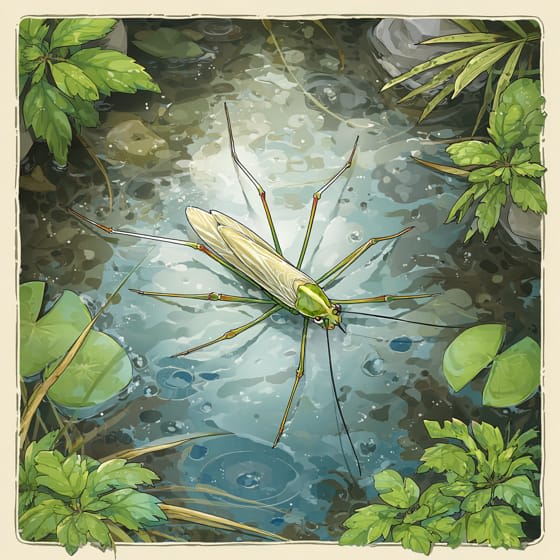
The Water Strider is a fascinating insect that can walk on water! They have long legs and are often seen gliding across ponds.
Habitat: Ponds, lakes, and slow-moving water
The Water Strider has a long, slender dark body, often black or brown, supported by six exceptionally long, thin legs. Its middle and hind legs are spread wide, making it visually distinct as it skims across water surfaces.
Category
InsectsRarity
Common
Danger
2/5 · Low
Snaps
Be the first to snap!
Their legs are covered in tiny, non-wetting hairs, trapping air and keeping them dry!
They breathe through small holes called spiracles on their bodies, just like other insects.
Water striders have strong claws on their front legs to hold onto prey.
Water striders taste their prey by touching it with their antennae before eating!
Water Strider can glide effortlessly across water surfaces because of specialized non-wetting hairs and surface tension that helps them stay afloat.
Water Strider has super sensitive legs that detect tiny vibrations and ripples on the water, helping them locate prey or sense danger.
Water Strider can push off the water using its middle legs, creating dimples in the surface tension that propels them swiftly forward.
Water striders are tiny hunters, catching small insects that fall onto the water's surface.
Lithobates catesbeianus
Frogs are common predators in their habitat.
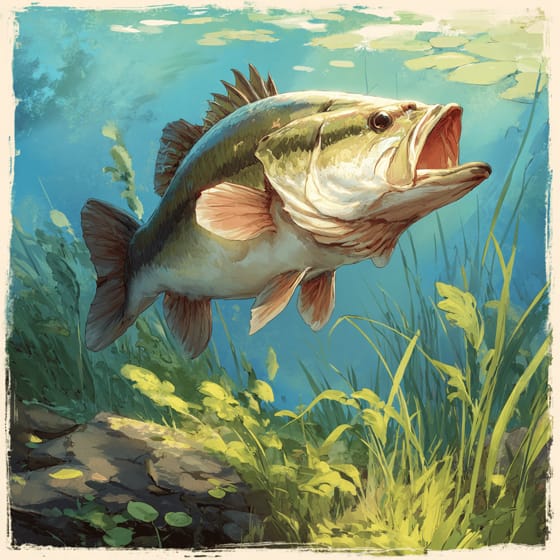
Micropterus salmoides
Fish will snatch them from below the surface.
Culex pipiens
They prey on mosquito adults that land on water.
Anas platyrhynchos
Ducks sometimes eat them from the water.
Wildlife encompasses all undomesticated animal and plant life existing in their natural habitats.
Gliding animals move through the air by launching themselves and maintaining flight with specialized body structures, without flapping wings.
This trait identifies organisms whose diet primarily consists of insects and other small invertebrates.
Diurnal animals are primarily active during daylight hours, typically resting or sleeping at night.

Freshwater habitats include non-saline aquatic environments such as rivers, lakes, ponds, and wetlands, vital for numerous species.

This trait identifies organisms that exhibit exceptional swiftness in movement for hunting, escape, or travel.
Danger
2/5 · Low
Do not touch or pick up. Some insects sting or bite. Ask an adult for help.
20-30 mm
10-30 mm
60-120 days
Water striders are tiny hunters, catching small insects that fall onto the water's surface.
Ponds, lakes, and slow-moving water
Ambush
6
Zoom in to split clusters and explore where this object has been snapped.
Recent snaps will appear here as new observations are added.