





Viceroy
Limenitis archippus
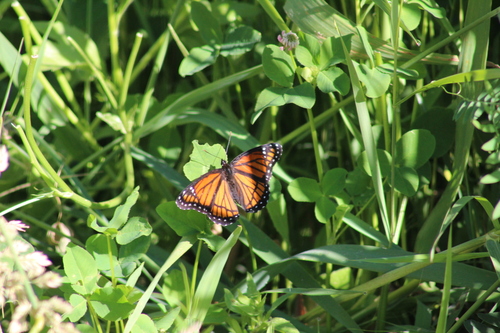
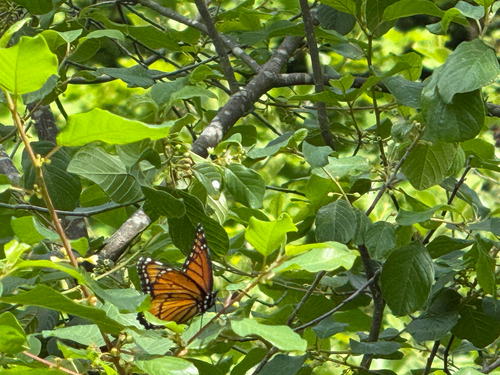
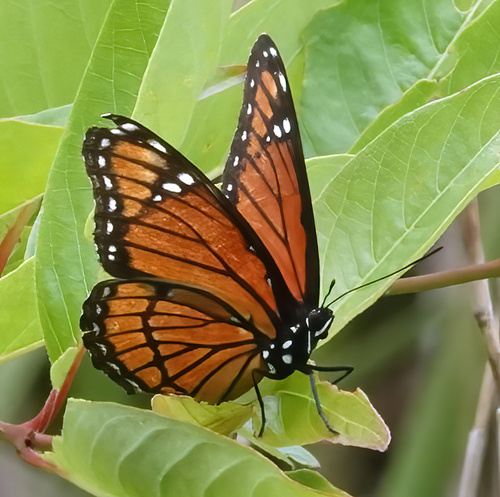
The Viceroy butterfly looks a lot like the Monarch butterfly! It has a beautiful orange color with black stripes.
Habitat: Wetlands and forests
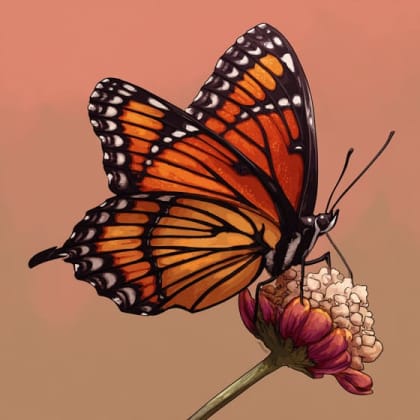
The Viceroy is a medium-sized butterfly with bright orange wings featuring bold black veins and a row of white spots along the edges. Its key distinguishing feature is a thin, black line crossing the lower hindwing, which the larger Monarch butterfly lacks.
Category
InsectsRarity
Common
Danger
2/5 · Low
Snaps
28
Its chrysalis looks like a bird dropping, a clever camouflage!
Male Viceroys patrol territories, flying high to spot females or intruders!
Viceroy butterflies sometimes fight other butterflies for prime sunbathing spots!
Viceroy caterpillars create a 'frass chain' from their droppings to hide from predators!
Viceroy can perfectly mimic the toxic Monarch butterfly, which helps them avoid predators who've learned to avoid Monarchs.
Viceroy caterpillars eat willow leaves, absorbing bitter chemicals that make them taste bad to predators.
Viceroy can complete multiple life cycles in a year because their development from egg to adult is quite fast.
Adult Viceroys sip nectar from flowers; caterpillars munch on leaves.
Age differences: Caterpillars eat tree leaves, while adult butterflies drink flower nectar.
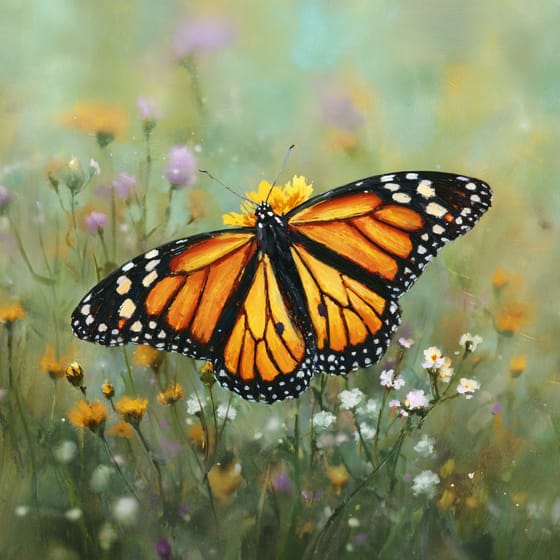
Danaus plexippus
Mimics its toxic appearance to deter predators.

Salix babylonica
Caterpillars feed on its leaves for growth.

Asclepias syriaca
Adults drink nectar, helping flowers reproduce.
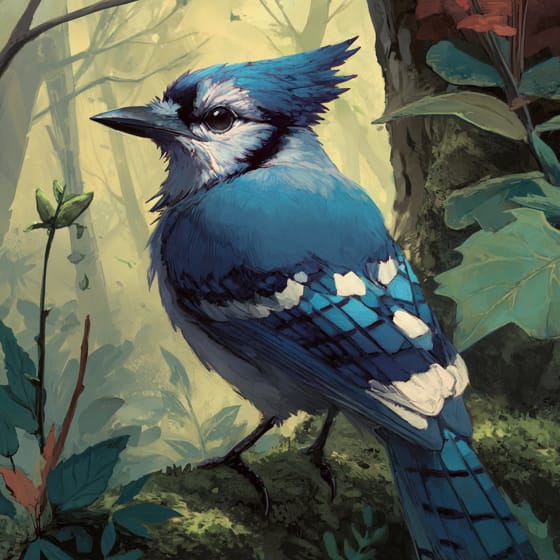
Cyanocitta cristata
A potential predator, though often deterred.
Wildlife encompasses all undomesticated animal and plant life existing in their natural habitats.
Camouflaged describes organisms that possess coloring or patterns that allow them to blend into their environment.
This trait characterizes organisms whose diet consists entirely or primarily of plant material.
Forest habitats are terrestrial environments dominated by dense tree cover, supporting a high diversity of plant and animal life.

This habitat trait identifies species found in wetlands, which are areas of land saturated with water, either permanently or seasonally, including marshes, swamps, and bogs.

Migratory animals undertake seasonal movements from one region to another, typically in response to changes in climate or food availability.
Danger
2/5 · Low
Do not touch or pick up. Some insects sting or bite. Ask an adult for help.
The easiest way to identify Viceroy is to use the Snappit nature identifier app.
63-85 mm
25-35 mm
14-28 days
18 km/h
Adult Viceroys sip nectar from flowers; caterpillars munch on leaves.
Wetlands and forests
Foraging
Zoom in to split clusters and explore where this object has been snapped.
Jun 16, 2026
Concord Monument Square-Lexington Road Historic DistrictPhoto attribution
(c) Lythronax246, some rights reserved (CC BY)
License: CC BY 4.0 ↗
Image may be shown cropped inside the card frame.
Jun 6, 2026
Brattleboro Downtown Historic DistrictPhoto attribution
(c) Karen Saunders, some rights reserved (CC BY)
License: CC BY 4.0 ↗
Image may be shown cropped inside the card frame.
May 9, 2026
Matanzas State ForestPhoto attribution
(c) Pam Kleinsasser, some rights reserved (CC BY)
License: CC BY 4.0 ↗
Image may be shown cropped inside the card frame.

New York, US
You might spot Sundial Lupine, Spotted Horsemint, and New Jersey Tea.
View guide →

Alabama, US
You might spot Anole, Eastern Gray Squirrel, and Asian Lady Beetle.
View guide →

Vermont, US
You might spot Asian Bittersweet, Alder Buckthorn, and Eastern Newt.
View guide →

Vermont, US
You might spot Japanese Knotweed and Red-Bellied Woodpecker.
View guide →

Michigan, US
You might spot Monarch, Canada Goose, and Eastern Gray Squirrel.
View guide →

US
You might spot Wharf Louse, Osprey, and Ruddy Turnstone.
View guide →
Take the discovery with you
Snap it with Snappit to identify it, learn what makes it special, and add the discovery to your collection.








.jpg&width=800)



