

Arctic Fox
Vulpes lagopus
Arctic foxes live in cold, snowy places and have thick white fur in winter. They are excellent hunters and can survive extreme cold.
Habitat: Arctic tundra.
The Arctic Fox is a small, dog-like mammal with short legs, a compact body, and a very bushy tail. It famously changes its coat from a dense white in winter to a thinner brown or gray-blue in summer, providing excellent camouflage. Its small, rounded ears and short muzzle reduce heat loss.
Category
MammalsRarity
Common
Danger
3/5 · Moderate
Snaps
Be the first to snap!
An Arctic fox's fur is so warm, it won't shiver until -70°C!
Arctic foxes can travel huge distances, sometimes over 2,000 miles, to find food!
They dig complex dens with many entrances, used for centuries by fox families!
When food is plentiful, foxes bury extra prey in snow for frozen pantries!
Arctic Fox can change its fur color from white to brown with the seasons, helping them blend perfectly into their changing environment.
Arctic Fox has incredibly thick, insulating fur that helps them stay warm and survive in temperatures as low as -50°C.
Arctic Fox can hear tiny prey moving under thick layers of snow, which helps them pounce and catch food even when it's hidden.
Arctic Fox uses its long, bushy tail to wrap around its body like a blanket, keeping them warm and protected during cold arctic nights.
They are agile hunters that mainly eat small animals, birds, and eggs, but will also scavenge.
Lemmus lemmus
A primary food source, especially in winter.
Lagopus lagopus
Preys on these birds and their eggs.
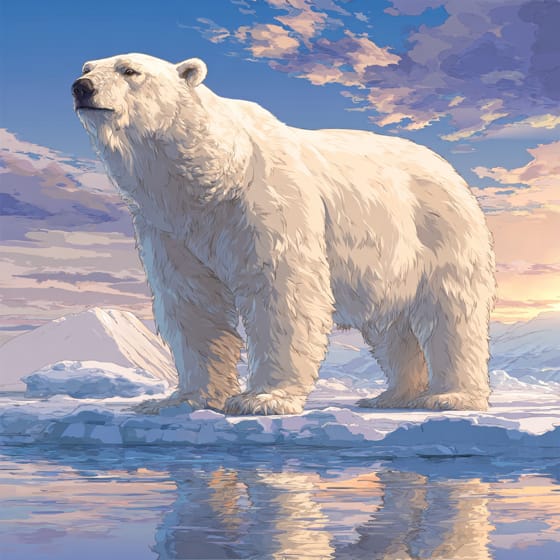
Ursus maritimus
Scavenges leftovers from bear kills.
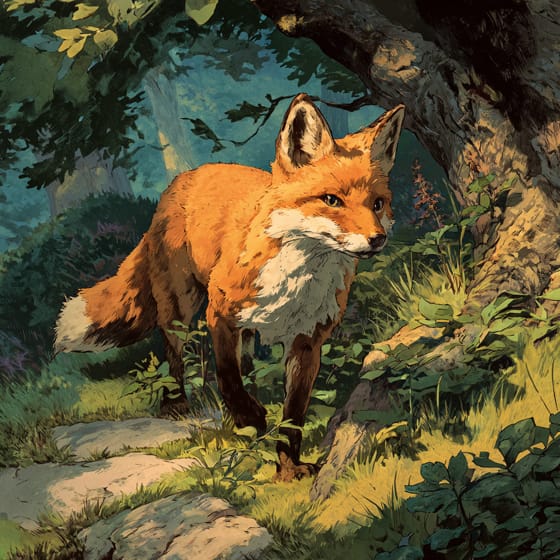
Vulpes vulpes
Larger red foxes can predate them.
Wildlife encompasses all undomesticated animal and plant life existing in their natural habitats.
Furry describes animals possessing a dense covering of soft hair or fur.
Thermoregulating organisms maintain a stable internal body temperature despite fluctuations in the external environment.
This habitat trait refers to species inhabiting tundras, which are treeless biomes characterized by permafrost, cold temperatures, and low-growing vegetation.

This trait identifies organisms whose diet consists entirely or primarily of animal tissue.

Nocturnal animals are primarily active during the nighttime hours, typically resting or sleeping during the day.
Danger
3/5 · Moderate
Do not approach — wild animal.
46-68 cm
2.9-9 kg
3-6 years
50 km/h
They are agile hunters that mainly eat small animals, birds, and eggs, but will also scavenge.
Arctic tundra.
Foraging
5-16
Zoom in to split clusters and explore where this object has been snapped.
Recent snaps will appear here as new observations are added.