





Musk Deer
Moschus
The Musk Deer is a small, shy mammal known for its musk gland, which is used in perfumes. They have long, sharp canine teeth and are excellent jumpers.
Habitat: Mountain regions
The Musk Deer is a small, stocky mammal with thick, often reddish-brown or greyish fur, sometimes speckled with lighter spots. Males are distinctive for their long, saber-like canine teeth that protrude from their upper jaw, as they lack antlers entirely.
Category
MammalsRarity
Rare
Danger
2/5 · Low
Snaps
Be the first to snap!
A special gland produces precious musk, once more valuable than gold around the world!
Musk Deer don't have antlers, but males grow unique, long fangs for fighting!
Musk deer can survive high in the mountains, even in super snowy and cold conditions!
They walk on tiptoes, leaving tiny footprints that are super hard for predators to follow.
Musk Deer has long, sharp canine teeth that helps them defend against predators and compete with other males.
Musk Deer can produce a powerful-smelling musk that helps them mark territory and attract mates.
Musk Deer can leap skillfully across rocky terrain that helps them escape danger in their high-altitude homes.
Musk Deer are herbivores, eating a variety of plants found in their mountain homes.
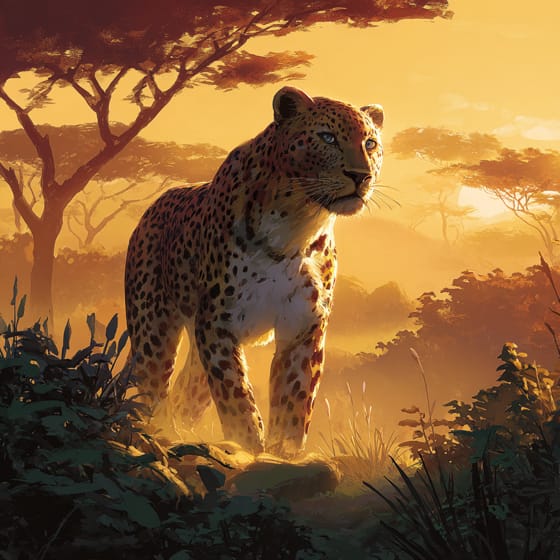
Panthera pardus
stealthy hunter in high-altitude forests
Canis lupus
often preys on musk deer, especially in winter
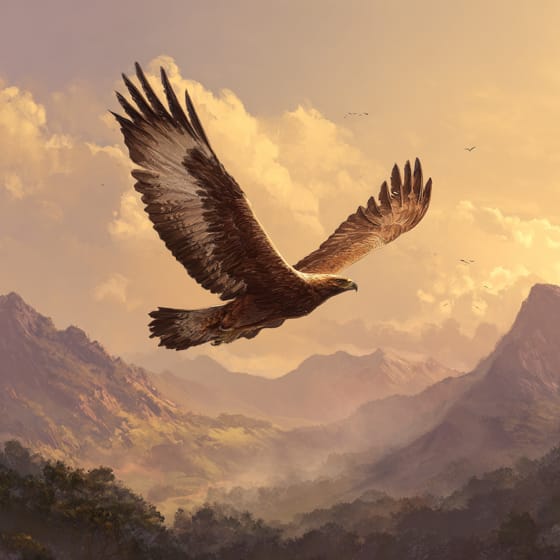
Aquila chrysaetos
occasionally snatches young fawns from above
Furry describes animals possessing a dense covering of soft hair or fur.
Solitary animals live alone for most of their lives, only interacting with others for mating or parental care.
This trait characterizes organisms whose diet consists entirely or primarily of plant material.
Characterized by having long, pointed, projecting teeth, usually in pairs.

This habitat trait identifies species found in mountainous regions, characterized by high elevation, steep slopes, and varying climate zones.

This trait signifies organisms belonging to a very old evolutionary group with ancestors dating back millions of years.

Regenerative organisms possess the ability to regrow lost or damaged body parts, tissues, or organs.

Nocturnal animals are primarily active during the nighttime hours, typically resting or sleeping during the day.
Danger
2/5 · Low
Do not approach Musk Deer in the wild to ensure their safety and yours.
The easiest way to identify Musk Deer is to use the Snappit nature identifier app.
80-100 cm
7-17 kg
10-14 years
40 km/h
Musk Deer are herbivores, eating a variety of plants found in their mountain homes.
Mountain regions
Foraging
Zoom in to split clusters and explore where this object has been snapped.
Recent snaps will appear here as new observations are added.
Take the discovery with you
Snap it with Snappit to identify it, learn what makes it special, and add the discovery to your collection.




.jpg&width=800)




.JPG&width=800)


.jpg&width=800)
