





Canada Lynx
Lynx canadensis
The Canada Lynx is a fluffy, soft-furred cat with big ears and long legs. They love to roam in snowy forests and are great at hiding!
Habitat: Boreal forests and snowy areas
The Canada Lynx has thick, beautiful fur, usually grey-brown with subtle reddish tints, and faint spots. It has long legs, a short, black-tipped tail, and large, furry paws that look like snowshoes. Its most striking features are the distinctive long black ear tufts and a prominent ruff of fur around its cheeks.
Category
MammalsRarity
Common
Danger
2/5 · Low
Snaps
2
A Canada Lynx can leap up to 2.5 meters (8 feet) in a single amazing bound!
Lynx have a bobbed tail that looks like it was cut short, unlike other wild cats!
Their population numbers often go up and down with their main food, the snowshoe hare!
They use their long ear tufts and cheek ruffs to funnel sounds directly to their ears.
Canada Lynx has extra-large, padded paws that act like snowshoes, helping them glide easily over deep snow to chase prey.
Canada Lynx can see incredibly well in the dark, using large eyes to spot snowshoe hares in dim light.
Canada Lynx has soft, padded paws and quiet movements that allow them to sneak up on prey without being heard.
These fierce felines are expert hunters who mostly eat small mammals in their snowy homes.
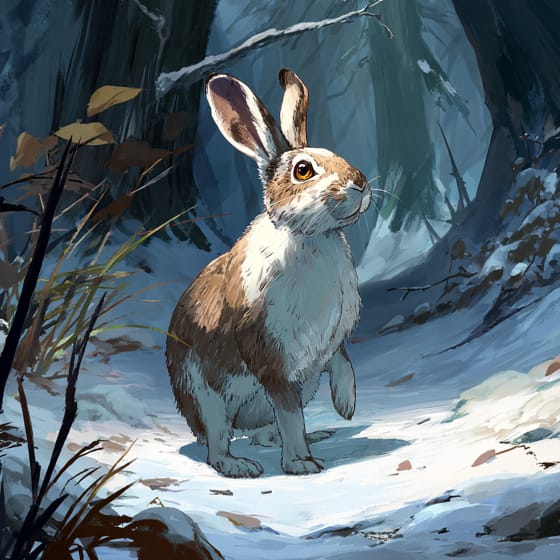
Lepus americanus
Primary prey; their populations rise and fall together.
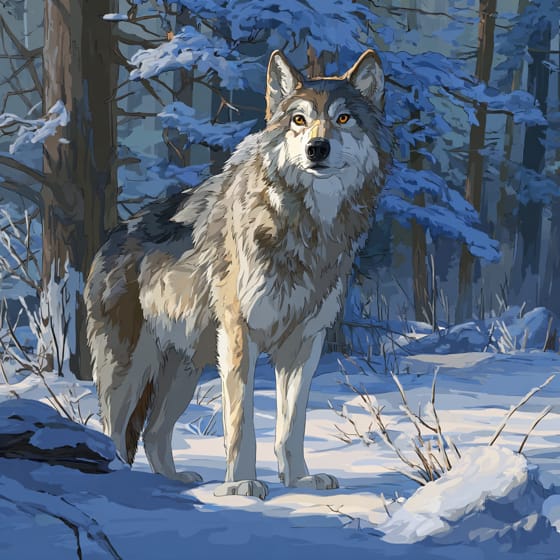
Canis lupus
Wolves may prey on young or weakened lynx opportunistically.
Picea mariana
Provides dense cover for hunting, denning, and resting.
Furry describes animals possessing a dense covering of soft hair or fur.
Possessing prominent sensory hairs or vibrissae, often around the snout.
Camouflaged describes organisms that possess coloring or patterns that allow them to blend into their environment.
An ambush predator hunts by patiently waiting and concealing itself, then launching a sudden attack when unsuspecting prey comes within range.

Forest habitats are terrestrial environments dominated by dense tree cover, supporting a high diversity of plant and animal life.

This trait identifies organisms whose diet consists entirely or primarily of animal tissue.

Describes a species whose presence and role have a disproportionately large effect on its environment.

This trait identifies organisms that exhibit exceptional swiftness in movement for hunting, escape, or travel.

Nocturnal animals are primarily active during the nighttime hours, typically resting or sleeping during the day.
Danger
2/5 · Low
Canada Lynx are wild animals. It's best to enjoy them from a distance and not try to touch them.
The easiest way to identify Canada Lynx is to use the Snappit nature identifier app.
76-107 cm
5-17 kg
10-15 years
40 km/h
These fierce felines are expert hunters who mostly eat small mammals in their snowy homes.
Boreal forests and snowy areas
Ambush
Zoom in to split clusters and explore where this object has been snapped.

Montana, US
You might spot Sticky Geranium, White-Tailed Deer, and Common Toadflax.
View guide →
Alaska, US
You might spot Polar Bear, Brown Bear, and Tiger.
View guide →
Washington, US
You might spot Elk, American Bison, and Mountain Goat.
View guide →
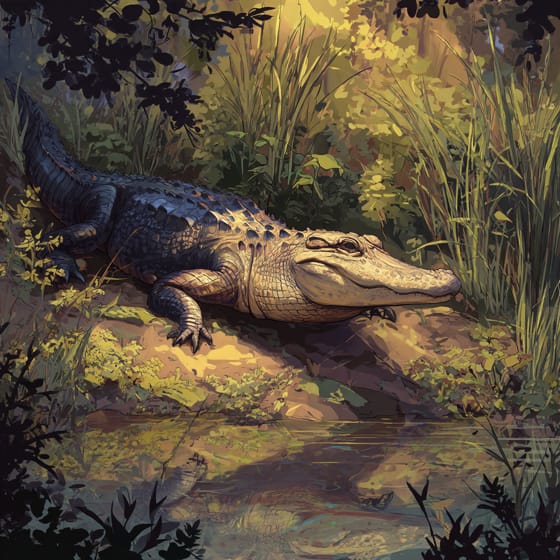
Pennsylvania, US
You might spot American Alligator, Black Bear, and Canada Lynx.
View guide →
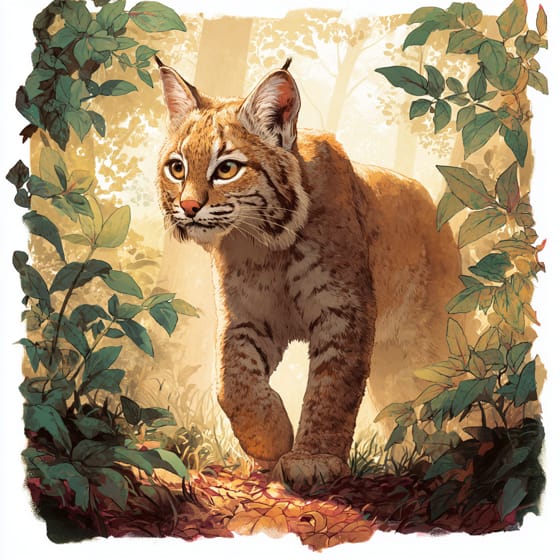
Illinois, US
You might spot Bobcat, Canada Lynx, and White-Tailed Deer.
View guide →

Montana, US
You might spot Tiger, Grizzly Bear, and Red Panda.
View guide →
Take the discovery with you
Snap it with Snappit to identify it, learn what makes it special, and add the discovery to your collection.





.jpg&width=800)

.JPG&width=800)



.jpg&width=800)
