





Polar Bear
Ursus maritimus
Polar bears are huge, white bears that live in the cold Arctic. They have thick fur to keep warm and are great swimmers. Polar bears are excellent hunters and can smell seals from far away under the ice.
Habitat: Arctic regions
The Polar Bear is a large, stocky bear with thick, shaggy white fur that can appear yellowish in sunlight. It has a relatively small head, short, rounded ears, and a long neck, distinguishing it from other bears in its stark Arctic habitat.
Category
MammalsRarity
Rare
Danger
3/5 · Moderate
Snaps
Be the first to snap!
A polar bear's stomach can hold 15-20% of its entire body weight in food!
Polar bears can actually sprint up to 40 km/h on land! That's super fast!
They can smell a seal from almost 30 kilometers away, even under thick ice!
They use their keen sense of smell to find buried seal dens for cubs.
Polar Bears have extremely thick fur and a layer of blubber that helps them stay warm in the freezing Arctic, even in icy waters.
Polar Bears can swim incredibly well, using their large paws as paddles and navigating strong currents to hunt seals.
Polar Bears have large, rough paws with non-slip pads and strong claws that help them walk and grip on slippery ice and snow.
Polar Bears can hold their breath for a long time underwater and have an excellent sense of smell, helping them ambush prey.
Polar bears are expert hunters who mostly eat fatty seals to stay warm and energized in the Arctic.
Age differences: Cubs start with milk and gradually learn to hunt seals with their mother.
Solitary animals live alone for most of their lives, only interacting with others for mating or parental care.
Thermoregulating organisms maintain a stable internal body temperature despite fluctuations in the external environment.
This habitat trait refers to species inhabiting tundras, which are treeless biomes characterized by permafrost, cold temperatures, and low-growing vegetation.
This trait signifies organisms belonging to a very old evolutionary group with ancestors dating back millions of years.

This trait identifies organisms whose diet consists entirely or primarily of animal tissue.

Describes a species whose presence and role have a disproportionately large effect on its environment.

Regenerative organisms possess the ability to regrow lost or damaged body parts, tissues, or organs.

Threatened status denotes a species likely to become endangered in the foreseeable future without effective conservation interventions.
Danger
3/5 · Moderate
Polar bears are wild animals and should be observed from a safe distance.
The easiest way to identify Polar Bear is to use the Snappit nature identifier app.
200-300 cm
150-600 kg
15-18 years
40 km/h
Polar bears are expert hunters who mostly eat fatty seals to stay warm and energized in the Arctic.
Arctic regions
Ambush
Zoom in to split clusters and explore where this object has been snapped.
Recent snaps will appear here as new observations are added.
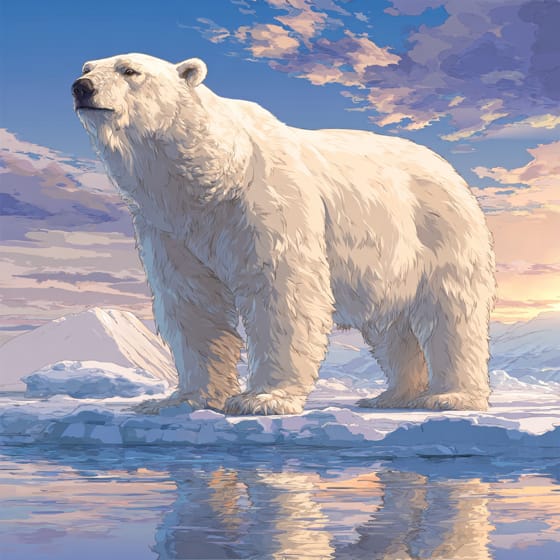
Alaska, US
You might spot Polar Bear, Brown Bear, and Tiger.
View guide →
New York, US
You might spot Polar Bear, Snow Leopard, and African Lion.
View guide →
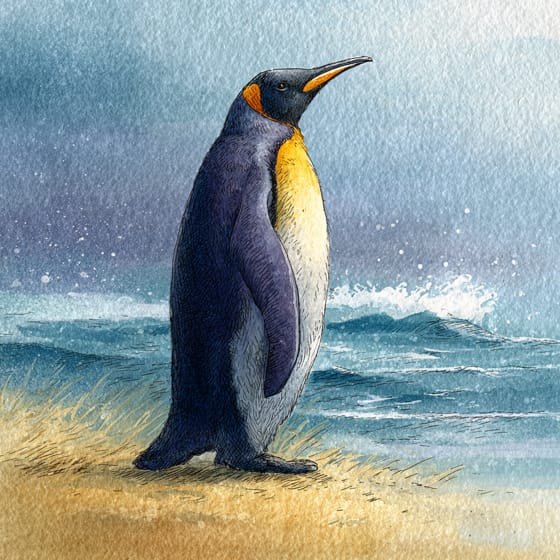
Michigan, US
You might spot King Penguin, Macaroni Penguin, and Polar Bear.
View guide →

Wisconsin, US
You might spot Polar Bear, Grizzly Bear, and Harbor Seal.
View guide →
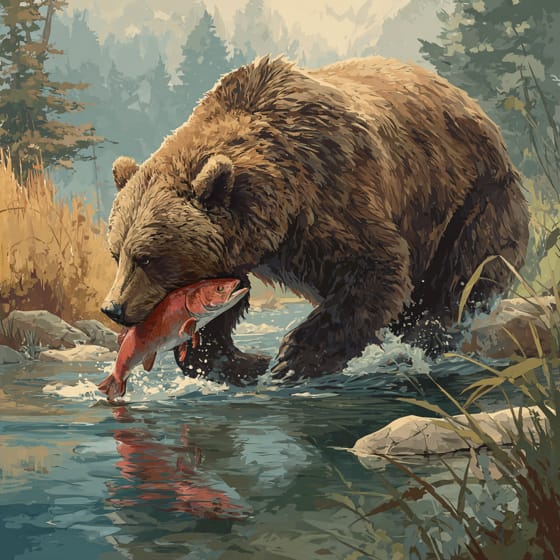
Tennessee, US
You might spot Grizzly Bear, Polar Bear, and African Elephant.
View guide →
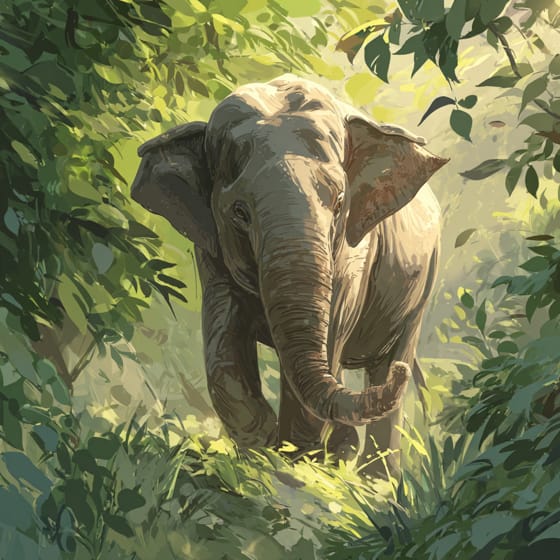
Oregon, US
You might spot Asian Elephant, Polar Bear, and Sea Otter.
View guide →
Take the discovery with you
Snap it with Snappit to identify it, learn what makes it special, and add the discovery to your collection.




.jpg&width=800)





.JPG&width=800)



.jpg&width=800)
