




Blue-tailed Damselfly
Ischnura elegans
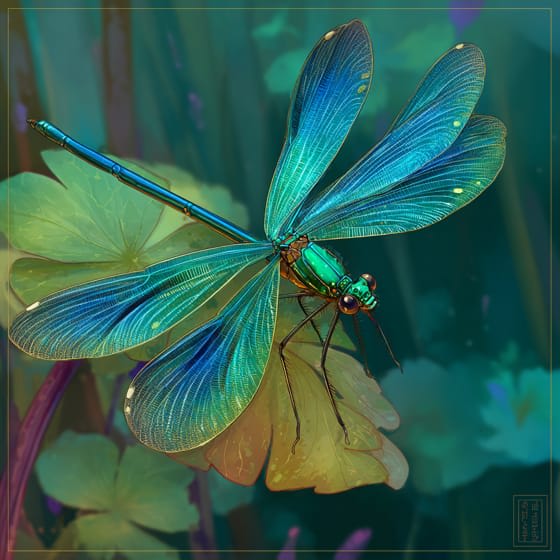
The Blue-tailed Damselfly is a tiny insect that loves to hang out near water. Its bright blue tail makes it really easy to recognize!
Habitat: Ponds, lakes, and wetlands
The Blue-tailed Damselfly is a slender insect, typically dark with bright blue markings. Males usually have a distinct blue segment on their abdomen near the tip. Females can vary in color but often have blue or greenish markings and a small blue spot on the top of the eighth abdominal segment.
Category
InsectsRarity
Common
Danger
2/5 · Low
Snaps
Be the first to snap!
Some females change color as they get older.
Their wings can beat up to 30 times a second.
They often rest with their wings folded neatly together.
They start their lives as tiny predators underwater!
Blue-tailed Damselfly has large compound eyes that help them see all around, making them excellent hunters and escape artists.
Blue-tailed Damselfly nymphs can breathe underwater using gill-like structures, allowing them to live and hunt submerged.
The Blue-tailed Damselfly males have a striking blue tip on their abdomen that helps them identify each other and attract mates.
These tiny hunters feast on small flying insects they catch in the air.
Age differences: Nymphs hunt aquatic invertebrates underwater, while adults catch flying insects in the air.
Chironomus plumosus
Adults hunt these for food.
Culex pipiens
Adults catch mosquitoes mid-air.
Rana temporaria
Adult damselflies can be prey.
Gasterosteus aculeatus
Fish often prey on nymphs.
Wildlife encompasses all undomesticated animal and plant life existing in their natural habitats.
Colorful describes organisms or objects displaying a wide range of bright and distinct colors.
This trait identifies organisms whose diet primarily consists of insects and other small invertebrates.
Diurnal animals are primarily active during daylight hours, typically resting or sleeping at night.

Freshwater habitats include non-saline aquatic environments such as rivers, lakes, ponds, and wetlands, vital for numerous species.
No aliases listed yet.
Danger
2/5 · Low
Do not touch or pick up. Some insects sting or bite. Ask an adult for help.
30-40 mm
27-32 mm
14-28 days
8 km/h
These tiny hunters feast on small flying insects they catch in the air.
Ponds, lakes, and wetlands
Pursuit
6
Zoom in to split clusters and explore where this object has been snapped.
Recent snaps will appear here as new observations are added.