




Giant Panda

Nestled within the magnificent UNESCO World Heritage-listed gardens of Schönbrunn Palace, Tiergarten Schönbrunn in Vienna, Austria, is not merely a zoo; it is the oldest continuously operating zoo in the world, founded in 1752.
Nestled within the magnificent UNESCO World Heritage-listed gardens of Schönbrunn Palace, Tiergarten Schönbrunn in Vienna, Austria, is not merely a zoo; it is the oldest continuously operating zoo in the world, founded in 1752. This historic institution offers a unique blend of imperial grandeur and modern zoological expertise, consistently ranked as one of Europe's finest zoos. Visitors are invited to embark on a captivating journey across continents, discovering a remarkable array of wildlife housed in thoughtfully designed, naturalistic habitats that honor both the animals' well-being and the zoo's rich heritage.
The zoo is home to over 700 species and around 7,800 specimens, boasting a rich diversity of life. Among its most celebrated residents are the iconic Giant Pandas, a rare sight in European zoos, known for their successful breeding programs. The impressive "Polar Bear World - Franz Josef Land" provides an immersive Arctic experience, complete with underwater viewing opportunities, while the "Rainforest House" transports guests to a tropical Southeast Asian ecosystem, featuring fascinating creatures like pangolins and rare Northern River Terrapins amidst lush vegetation and artificial thunderstorms. Other highlights include the majestic African Elephants in their generous enclosure, the intelligent Orangutans in the innovative ORANG.erie, and the playful Humboldt Penguins and South American Sea Lions in the Polarium.
A visit to Tiergarten Schönbrunn is an unforgettable experience for all ages, offering far more than just animal viewing. It's a place where history, conservation, and education converge, making it a memorable highlight of any trip to Vienna. From observing animal feeding routines to exploring beautifully curated themed houses and enjoying the scenic backdrop of the palace grounds, the zoo inspires a deeper appreciation for the natural world and the vital work of species preservation. The blend of Baroque architecture with contemporary animal habitats creates an atmosphere unlike any other zoo globally, solidifying its reputation as a must-visit destination. Planning to visit? Download the Snappit app to identify the wildlife you spot in real-time.
Tiergarten Schönbrunn's origins trace back to 1752 when Emperor Franz I Stephan of Lorraine, husband of Maria Theresia, established an imperial menagerie as part of the Schönbrunn Palace gardens. Designed with a distinctive radial layout, twelve animal enclosures were arranged around a central octagonal Imperial Pavilion, which initially served as a breakfast room and now houses a popular restaurant. Initially, this collection of exotic animals was exclusively for the imperial family and their noble guests. The menagerie was opened to the general public in 1779, marking a significant step towards its modern role. Over the centuries, it gradually transformed from a royal menagerie into a scientifically managed zoological garden, particularly gaining momentum in the late 19th and early 20th centuries. Under the directorship of Otto Antonius (1924-1945), the zoo embraced modern zoological principles, focusing on breeding endangered species for conservation and raising public awareness about nature preservation. Since 1996, the entire Schönbrunn Palace ensemble, including the zoo, has been recognized as a UNESCO World Heritage Site, and the zoo has continually modernized its facilities and expanded its conservation efforts, earning multiple awards as the best zoo in Europe.
Check the daily feeding schedules upon arrival, as these are excellent opportunities to see animals up close and active. Elephant feedings are typically around 10: 00 AM, while polar bears and penguins are fed around 11:00 AM to 11:30 AM. Big cats and koalas are often fed later in the afternoon, around 3:00 PM. Explore the various themed houses and consider a ride on the Schönbrunn Panorama Train for a relaxing way to see parts of the zoo and palace park.
Closing times vary seasonally, extending to 6: 30 PM during warmer months (April to September) and closing earlier (4:30 PM) in winter. The zoo can be particularly busy on warm weekends, especially in summer. Indoor exhibits are a welcome retreat during colder weather.
The zoo is largely wheelchair accessible with paved paths and accessible facilities. Assistance dogs are permitted if they have a valid ID, immunisation record, and an official harness vest.
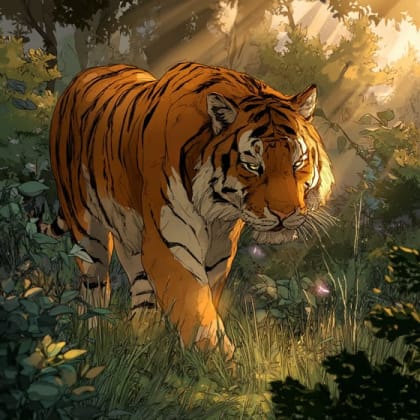
Don't miss the Giant Pandas, the expansive Polar Bear World (Franz Josef Land) with its underwater views, the immersive Rainforest House, and the majestic African Elephants. Other popular exhibits include the ORANG.erie for orangutans, the Polarium for penguins and sea lions, and the Big Cat House for Siberian tigers and cheetahs. The historic Imperial Pavilion also houses a restaurant.
Each card links to a full Explore page with photos, traits, and fun facts.
Start with the big picture, then zoom in to explore individual wildlife observations around this place.
Purchase tickets online
To save time and avoid queues, especially during peak seasons or busy weekends, buy your admission tickets in advance through the official website.
Arrive early
Visiting right at opening time (9:00 AM) often means fewer crowds and more active animals, particularly in the warmer months.
Check feeding times
Consult the daily feeding schedule upon arrival. Observing animals like elephants, pandas, and polar bears during feeding times can be a highlight of your visit.
Wear comfortable shoes
The zoo spans 17 hectares, and you'll be doing a lot of walking, so comfortable footwear is essential.
Utilize indoor exhibits
On cold or rainy days, make the most of the indoor attractions such as the Rainforest House, Aquarium and Terrarium House, and Polar Bear World.
Consider the panorama train
For a less strenuous way to navigate the extensive grounds, especially with children or if you're tired, consider riding the Schönbrunn Panorama Train, which stops at various points within the palace park and zoo area.
No dogs allowed (except assistance dogs): Please note that personal dogs are not permitted within the zoo or the palace grounds, with the exception of registered assistance dogs.
Mar 4, 2026
Mar 4, 2026
Mar 4, 2026
Mar 4, 2026
Mar 4, 2026

Michigan, US
You might spot African Lion, Komodo Dragon, and Brown Bear.
View guide →
.jpg)
Municipal District of Cobh, IE
You might spot Ring-Tailed Lemur, Giraffes, and Cheetahs.
View guide →

Nouvelle-Aquitaine, FR
You might spot Greater Flamingo, Giraffes, and Red Panda.
View guide →

Texas, US
You might spot Giraffes, African Lion, and Eastern Black Rhinoceros.
View guide →
Take the discovery with you
Identify the wildlife you spot, learn as you go, and keep a collection of the adventure.