Asian Elephant

Whipsnade Zoo, nestled in the picturesque Dunstable Downs in Bedfordshire, England, stands as the UK's largest zoo, offering an expansive and unforgettable wildlife adventure.
Whipsnade Zoo, nestled in the picturesque Dunstable Downs in Bedfordshire, England, stands as the UK's largest zoo, offering an expansive and unforgettable wildlife adventure. Spread across 600 acres, this Zoological Society of London (ZSL) conservation zoo provides vast naturalistic habitats for over 11,000 animals from around the globe. More than just an animal park, Whipsnade Zoo is a vital conservation hub, dedicated to protecting endangered species and fostering a deeper connection between visitors and the natural world. Its sheer scale and commitment to animal welfare make it a unique destination, where animals have ample space to thrive and visitors can immerse themselves in diverse ecosystems.
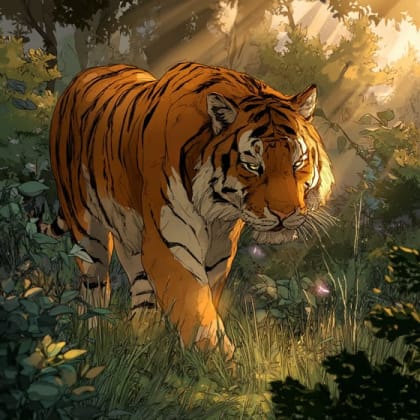
The zoo is thoughtfully divided into themed zones, allowing guests to journey through continents and encounter a remarkable array of wildlife. Marvel at the majestic herd of Asian elephants, often seen enjoying their daily walks, or come face-to-face with the impressive Southern white rhinos and towering reticulated giraffes, some of which can be viewed from elevated platforms. Explore immersive exhibits like "In with the Lemurs," a popular walkthrough habitat where these playful primates roam freely, or wander through the vibrant Butterfly House, filled with hundreds of colourful, free-flying butterflies. Keep an eye out for Amur tigers and cheetahs in their spacious enclosures, and don't miss the charming African and Northern Rockhopper penguins. Adding to the unique experience, free-roaming wallabies and maras can often be spotted wandering through parts of the park, creating delightful, spontaneous encounters.
Whipsnade Zoo is more than just a day out; it's an opportunity to create lasting memories while supporting global conservation efforts. The immense space means a less crowded and more relaxed experience, allowing for tranquil moments observing animals in surroundings that mimic their natural homes. With daily animal talks, interactive play areas like Hullabazoo, and the option to explore by car or on foot, the zoo offers diverse ways to engage with wildlife. Whether you're captivated by rare species, fascinated by conservation stories, or simply seeking a fun and educational family adventure, Whipsnade Zoo promises a truly memorable visit amidst stunning natural scenery. Take the ultimate field guide with you: use the Snappit app to identify birds, plants, and animals on your trip.
Whipsnade Zoo's origins trace back to the Zoological Society of London (ZSL), founded in 1826 with a vision for worldwide animal conservation. Recognizing the limitations of an urban setting for larger animals, ZSL purchased Hall Farm, a derelict 600-acre site on the Dunstable Downs, in 1926. This ambitious project was inspired by Sir Peter Chalmers Mitchell's visit to the Bronx Zoo, aiming to create an open zoological park accessible to the public. Whipsnade Park Zoo officially opened its gates on May 23, 1931, quickly becoming Europe's first accessible open zoo and an immediate success with tens of thousands of visitors in its opening week. Early arrivals included pheasants, llamas, wombats, and skunks, soon augmented by larger animals like lions, tigers, elephants, and bears acquired from a defunct travelling menagerie in 1932. A distinctive chalk figure of a white lion, visible for miles, was completed on the hillside in 1933. During World War II, the zoo also served as a safe haven for animals evacuated from London Zoo, further cementing its role in animal welfare and conservation.
Engage with daily animal talks and feeding sessions for insightful information about the animals. Consider taking a ride on the Jumbo Express steam train for a relaxing way to see parts of the zoo. Look out for the free-roaming wallabies and maras that wander the grounds.
In winter, some animals may be less active or moved to indoor enclosures, and the exposed hilltop location can make it quite cold. Summer often brings special events and activities, such as the "Zoo Crew" programme for children.
Whipsnade Zoo strives to be accessible for all visitors. You can drive your own car into the zoo and park near different exhibits for an additional cost (free for Blue Badge holders). A free external car park with designated accessible bays is also available. A free, wheelchair-accessible shuttle bus operates around the park. Wheelchairs and mobility scooters are available for hire, though pre-booking is advised. Accessible toilets are located throughout the zoo. Families with additional needs can request a "Penguin Pass" to help reduce queuing times. While many paths are surfaced, some areas can be uneven due to tree roots. Please note that assistance animals are not permitted due to the presence of free-roaming animals.
Don't miss the herd of Asian elephants, often seen during their daily walks across the park. The "In with the Lemurs" walkthrough is a visitor favourite, allowing close encounters with these active primates. The Butterfly House offers a tropical escape among free-flying species. Other must-sees include the Southern white rhinos, reticulated giraffes (which can be viewed from elevated platforms), Amur tigers, cheetahs at Cheetah Rock, and the charming African and Northern Rockhopper penguins. Families will love the Hullabazoo Farm and the extensive Hullabazoo adventure playground.
Each card links to a full Explore page with photos, traits, and fun facts.
Start with the big picture, then zoom in to explore individual wildlife observations around this place.
Arrive early
Beat the crowds and catch animals at their most active by arriving shortly after opening.
Wear comfortable shoes
Whipsnade Zoo is expansive, with a lot of walking involved, so comfortable footwear is essential.
Dress in layers
Due to its elevated location on the Dunstable Downs, the zoo can be windy and cooler than surrounding areas; bring extra clothing.
Download the zoo app
The official Whipsnade Zoo app provides a map, animal information, daily schedules for talks and feeds, and can help with navigation.
Consider driving in
If you have young children or mobility concerns, paying to drive your car in allows you to move between distant sections of the zoo more easily.
Pack a picnic
There are numerous scenic picnic spots throughout the zoo with beautiful views, offering a cost-effective and pleasant dining option.
Mar 2, 2026
Mar 2, 2026
Mar 2, 2026
Mar 2, 2026
Mar 2, 2026

Michigan, US
You might spot African Lion, Komodo Dragon, and Brown Bear.
View guide →
.jpg)
Municipal District of Cobh, IE
You might spot Ring-Tailed Lemur, Giraffes, and Cheetahs.
View guide →

Nouvelle-Aquitaine, FR
You might spot Greater Flamingo, Giraffes, and Red Panda.
View guide →

Texas, US
You might spot Giraffes, African Lion, and Eastern Black Rhinoceros.
View guide →
Take the discovery with you
Identify the wildlife you spot, learn as you go, and keep a collection of the adventure.