


Channel Catfish
Ictalurus punctatus
The Channel Catfish is a friendly fish that has whiskers on its face. It loves to scavenge for food in rivers!
Habitat: Rivers and lakes
The Channel Catfish has a sleek, torpedo-shaped body that is typically olive-brown to slate-gray on top, fading to a silvery-white belly. Younger fish often sport scattered dark spots on their sides, and all possess a deeply forked tail fin and long, sensitive barbels around their mouth.
Category
FishRarity
Common
Danger
2/5 · Low
Snaps
Be the first to snap!
A record Channel Catfish caught in South Carolina weighed over 58 pounds!
Channel Catfish can make loud grunting and drumming sounds!
They can survive out of water for short periods, if kept moist!
They have taste buds all over their body, not just in their mouths!
Channel Catfish can find food in dark or murky water because of four pairs of whisker-like barbels that sense chemicals.
Channel Catfish has a special swim bladder that helps them make grunting and drumming noises to communicate.
Channel Catfish can see well in low light, letting them hunt for food efficiently after the sun goes down.
These fish are opportunistic eaters, feasting on almost anything they can find in their watery home.
Age differences: Younger catfish eat more insects and larvae, while adults consume more fish and larger crustaceans.
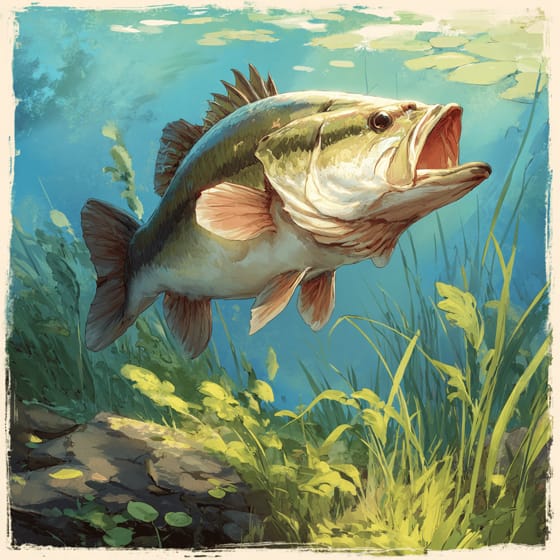
Micropterus salmoides
eats juvenile catfish
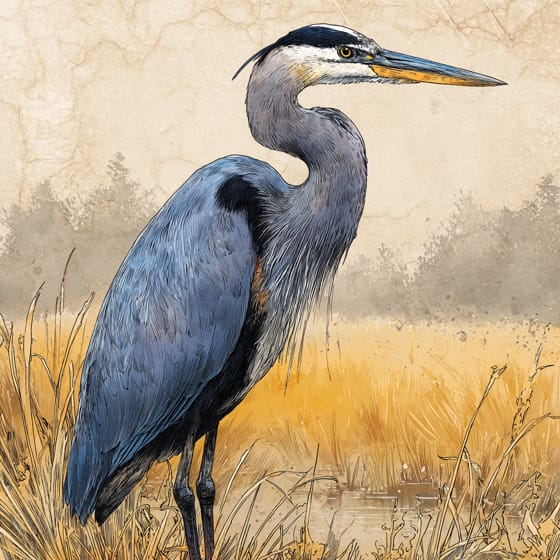
Ardea herodias
preys on smaller catfish
Homo sapiens
hunted for food and sport
Procambarus clarkii
eats crayfish found underwater
Chironomus plumosus
eats midge larvae
Wildlife encompasses all undomesticated animal and plant life existing in their natural habitats.
Possessing prominent sensory hairs or vibrissae, often around the snout.
Scavengers consume dead organic matter, helping to decompose carcasses and other waste in the ecosystem.
Piscivorous organisms are animals that primarily subsist on a diet of fish.

Freshwater habitats include non-saline aquatic environments such as rivers, lakes, ponds, and wetlands, vital for numerous species.

Aquatic habitats encompass environments where organisms live predominantly in water, including oceans, rivers, lakes, and wetlands.

Nocturnal animals are primarily active during the nighttime hours, typically resting or sleeping during the day.
Danger
2/5 · Low
Watch quietly from a distance and never try to feed or chase wild animals.
25-58 cm
0.5-10 kg
6-16 years
These fish are opportunistic eaters, feasting on almost anything they can find in their watery home.
25 km/h
Rivers and lakes
Foraging
15 m
Zoom in to split clusters and explore where this object has been snapped.
Recent snaps will appear here as new observations are added.