Flea Beetle
Altica tredecimmaculata
The Flea Beetle is a small beetle that can jump like a flea! It's often found on plants, munching on leaves.
Habitat: Gardens and fields
The Flea Beetle is a tiny insect, typically oval or rounded, with a shiny, often metallic body in colors like black, blue, green, or brown. It has noticeably thicker hind legs compared to its front ones, which makes it look different from many other small beetles.
Category
InsectsRarity
Common
Danger
2/5 · Low
Snaps
Be the first to snap!
Despite their tiny size, Flea Beetles can leap many times their own body length!
Flea Beetle babies live hidden underground, munching on plant roots before becoming adults!
If you try to catch one, it will likely spring away faster than you can even blink!
Some Flea Beetles are so picky, they only eat leaves from one special type of plant!
Flea Beetle can jump incredibly far and fast because of its powerful, enlarged hind legs, helping them escape predators.
Flea Beetle has a tough, hard exoskeleton that protects its body from many physical threats and impacts.
Some Flea Beetles can release defensive chemicals when threatened, deterring predators with an unpleasant taste.
These tiny beetles are plant-eaters, munching on leaves and roots to grow and thrive.
Age differences: Larvae eat roots underground, while adults feed on plant leaves above ground.
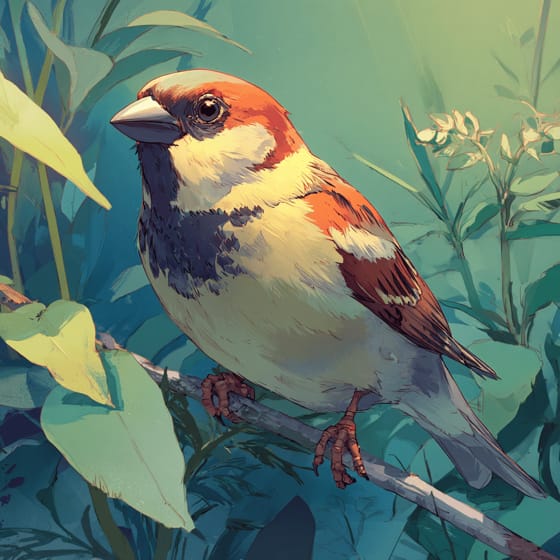
Passer domesticus
Common bird that preys on Flea Beetles.
Geocoris pallens
Predatory insect that captures small beetles.
Brassica oleracea
Adults feed on the leaves, creating small holes.
Solanum tuberosum
Adults and larvae consume leaves and roots.
Wildlife encompasses all undomesticated animal and plant life existing in their natural habitats.
Camouflaged describes organisms that possess coloring or patterns that allow them to blend into their environment.
This trait characterizes organisms whose diet consists entirely or primarily of plant material.
This habitat trait indicates species that can coexist with humans in urban and suburban environments, utilizing man-made structures and green spaces.

Nocturnal animals are primarily active during the nighttime hours, typically resting or sleeping during the day.

Describes organisms that transfer pollen, enabling the fertilization and reproduction of plants.
No aliases listed yet.
Danger
2/5 · Low
Do not touch or pick up. Some insects sting or bite. Ask an adult for help.
3-9 mm
1.5-4.5 mm
30-60 days
These tiny beetles are plant-eaters, munching on leaves and roots to grow and thrive.
Gardens and fields
Foraging
6
Zoom in to split clusters and explore where this object has been snapped.
Recent snaps will appear here as new observations are added.