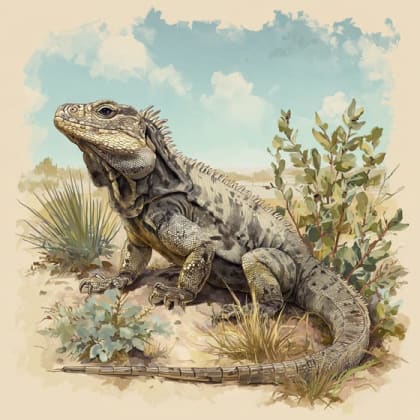
Sand Lizard
Lacerta agilis
The Sand Lizard is a beautiful lizard with bright green or brown colors. It loves sandy habitats and can often be found sunbathing.
Habitat: Sandy heathlands and grasslands.
The Sand Lizard has a robust body, short legs, and a relatively long tail. Males are strikingly vibrant green on their flanks during breeding season, contrasting with a brown dorsal stripe. Females are typically camouflaged with shades of brown or grey, featuring dark spots and lines.
Category
ReptilesRarity
Common
Danger
2/5 · Low
Snaps
Be the first to snap!
Baby Sand Lizards hatch fully able to hunt and care for themselves.
If they drop their tail, it can sometimes grow back a different shape!
Sand Lizards love to sunbathe, moving to different spots as the day heats up!
They spend the whole winter sleeping safely underground in a deep hibernation.
Sand Lizard can detach its tail to escape danger, which wriggles and distracts predators, allowing the lizard to flee.
Sand Lizards can quickly dig into loose soil or sand, creating burrows for shelter from extreme weather or predators.
The Sand Lizard has speckled patterns that help them blend perfectly with sand and grass, hiding from hungry birds.
These lizards are expert insect hunters, munching on a variety of creepy crawlies!
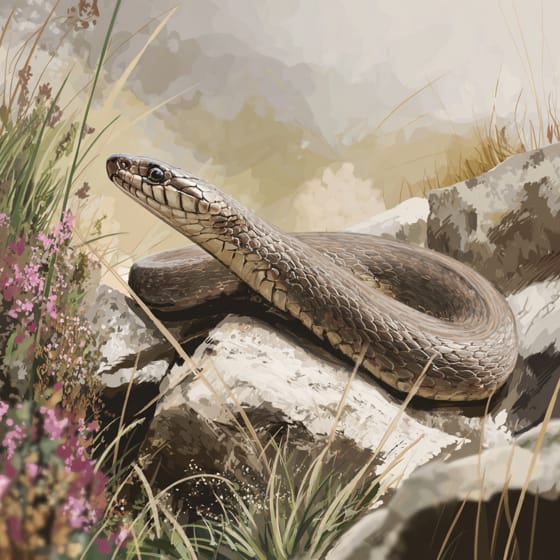
Coronella austriaca
Smooth snakes are a significant natural predator of this lizard.
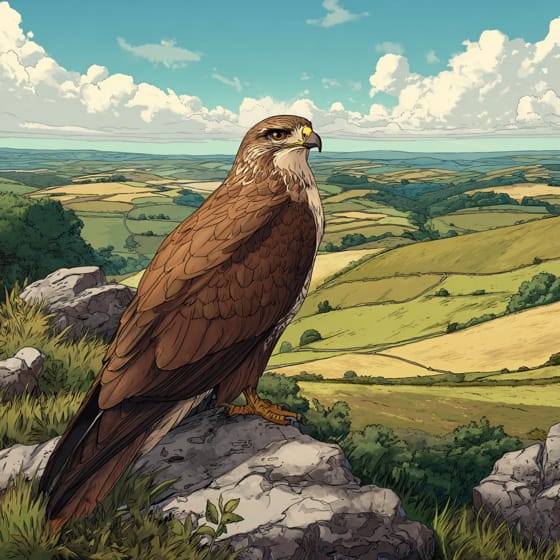
Buteo buteo
Buzzards can snatch them from open, sunny basking spots.
Tenebrio molitor
Lizards actively hunt and consume beetle larvae and adults.
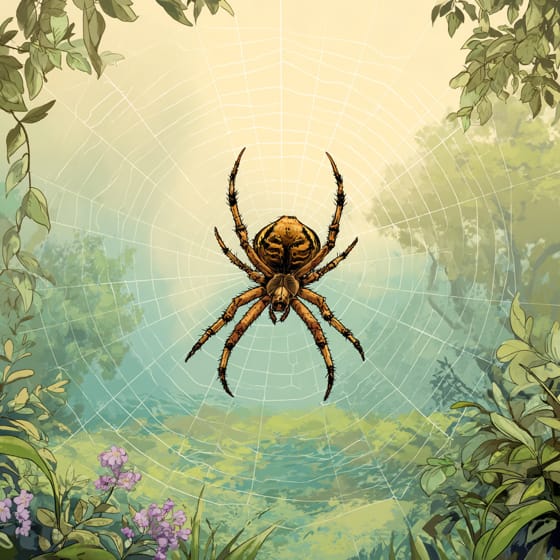
Araneus diadematus
Preys on garden spiders and other invertebrates in its habitat.
Wildlife encompasses all undomesticated animal and plant life existing in their natural habitats.
Camouflaged describes organisms that possess coloring or patterns that allow them to blend into their environment.
Grassland habitats are terrestrial biomes dominated by grasses and herbaceous plants, supporting a variety of grazing animals.
This trait identifies organisms whose diet primarily consists of insects and other small invertebrates.

This trait signifies organisms belonging to a very old evolutionary group with ancestors dating back millions of years.

This trait identifies organisms whose diet consists entirely or primarily of animal tissue.

Diurnal animals are primarily active during daylight hours, typically resting or sleeping at night.

This trait identifies organisms that exhibit exceptional swiftness in movement for hunting, escape, or travel.
Danger
2/5 · Low
Look but don’t touch. Keep a safe distance and wash hands after exploring.
15-20 cm
0.005-0.02 kg
5-10 years
18 km/h
These lizards are expert insect hunters, munching on a variety of creepy crawlies!
Sandy heathlands and grasslands.
Ambush
4-14
Zoom in to split clusters and explore where this object has been snapped.
Recent snaps will appear here as new observations are added.