






Snowshoe Rabbit
Oryctolagus cuniculus
The Snowshoe Rabbit has big feet that help it hop through the snow! Its fur changes color with the seasons, turning white in winter and brown in summer.
The Snowshoe Rabbit has large hind feet and prominent ears. Its fur undergoes a remarkable seasonal transformation, changing from brown in summer to pure white in winter, providing excellent camouflage.
Category
MammalsRarity
Common
Danger
1/5 · Very low
Snaps
Be the first to snap!
A mother rabbit might have up to four litters of babies in just one year!
Snowshoe Rabbits communicate by thumping their powerful hind legs loudly on the ground!
These rabbits sometimes eat their own soft poop to get extra nutrients!
They don't dig burrows, but instead hide in shallow depressions or under dense bushes!
Snowshoe Rabbits have fur that changes from brown to white, helping them blend perfectly with the snowy landscape and hide from predators.
The Snowshoe Rabbit can walk easily on deep snow because of its extra-large, fur-covered hind feet, which act like snowshoes.
Snowshoe Rabbits can run in quick, unpredictable zigzags, making it very hard for predators to catch them.
This plant-eater munches on leaves, twigs, bark, and green plants, adapting its diet with the seasons.
Lynx canadensis
A primary predator, its population often cycles with the rabbit.
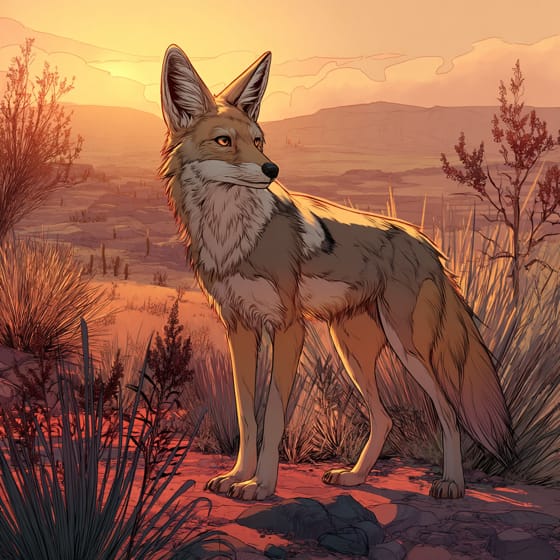
Canis latrans
Coyotes frequently hunt snowshoe rabbits, especially in winter.
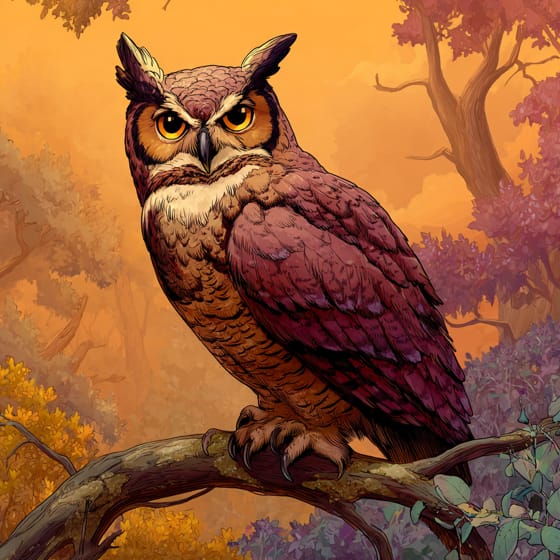
Bubo virginianus
These large owls are silent nighttime hunters of rabbits.
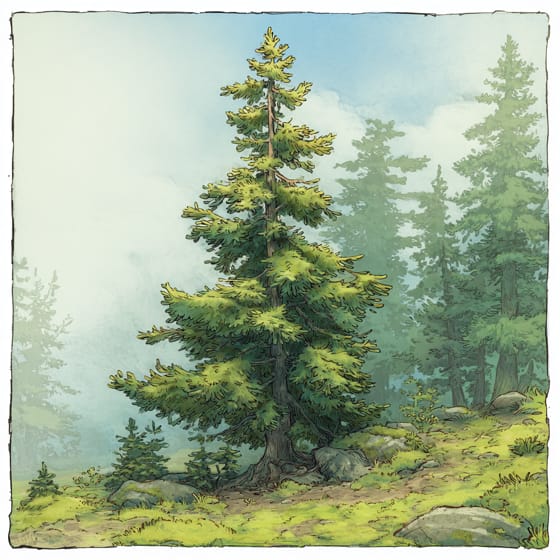
Abies balsamea
Snowshoe rabbits frequently browse on the twigs and needles of fir trees.
Wildlife encompasses all undomesticated animal and plant life existing in their natural habitats.
Furry describes animals possessing a dense covering of soft hair or fur.
Camouflaged describes organisms that possess coloring or patterns that allow them to blend into their environment.
This trait characterizes organisms whose diet consists entirely or primarily of plant material.

Domesticated refers to species that have been selectively bred and tamed by humans for specific purposes.

Forest habitats are terrestrial environments dominated by dense tree cover, supporting a high diversity of plant and animal life.

This trait identifies organisms that exhibit exceptional swiftness in movement for hunting, escape, or travel.

Nocturnal animals are primarily active during the nighttime hours, typically resting or sleeping during the day.
Danger
1/5 · Very low
Snowshoe Rabbits are shy and prefer to be left alone. It's best to watch them from a distance.
41-52 cm
1.4-2.7 kg
3-8 years
45 km/h
This plant-eater munches on leaves, twigs, bark, and green plants, adapting its diet with the seasons.
Foraging
1-8
35-40 days
Zoom in to split clusters and explore where this object has been snapped.
Recent snaps will appear here as new observations are added.















