



Yarrow
Achillea millefolium
Yarrow has feathery leaves and clusters of tiny white or yellow flowers. It's often found in gardens and meadows!
Habitat: Meadows and gardens
The Yarrow has dense, flat-topped clusters of tiny flowers, typically white, yellow, or pink. Its distinctive fern-like, feathery leaves are deeply divided, giving it a soft, delicate texture quite different from many other wildflowers.
Category
PlantsRarity
Common
Danger
1/5 · Very low
Snaps
201
Ancient soldiers sometimes used Yarrow leaves to help heal their battle wounds.
Each Yarrow leaf looks like hundreds of tiny, delicate green mini-feathers!
Its scientific name, Achillea, comes from the legendary Greek hero Achilles!
You can find Yarrow growing wild on almost every continent in the world!
Yarrow can grow quickly and form large patches using underground stems called rhizomes to spread widely.
Yarrow has finely-divided, feathery leaves that help it reduce water loss in dry, sunny places.
Yarrow contains natural chemicals that can help protect itself from certain plant-eating pests and diseases.
Apis mellifera
collecting nectar and pollen
Bombus impatiens
visiting its abundant flowers
Sylvilagus floridanus
browsing on its tender leaves
Perennial plants live for more than two years, typically returning to grow and bloom each year from their roots.
Aromatic plants produce and emit fragrant volatile organic compounds, often for defense or to attract pollinators.
Cluster flowers are inflorescences where individual flowers are arranged closely together on a common stem.
Spring blooming plants produce their flowers during the spring season, often signifying the end of winter and the start of new growth.

Medicinal plants possess chemical compounds that can be used for therapeutic purposes to treat illnesses or maintain health.

Grassland habitats are terrestrial biomes dominated by grasses and herbaceous plants, supporting a variety of grazing animals.

Describes organisms that transfer pollen, enabling the fertilization and reproduction of plants.
Danger
1/5 · Very low
Explore with care and ask an adult if you’re unsure what to do.
30-100 cm
30-60 cm
0.3-0.5 cm
Late spring to fall
Yes
Mild
Perennial
Insect
Zoom in to split clusters and explore where this object has been snapped.
.jpg)
Municipal District of Cobh, IE
You might spot Harbor Seal, Red Panda, and Indian Peafowl.
View guide →

England, UK
You might spot Sika Deer, European Robin, and Eurasian Jackdaw.
View guide →

Virginia, US
You might spot Snow Leopard, Red Panda, and European Lynx.
View guide →
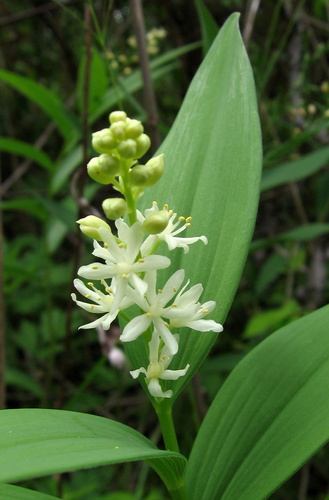
Michigan, US
You might spot Star-Flowered Lily-Of-The-Valley and Common Silverweed.
View guide →

Utah, US
You might spot Showy Milkweed and Black-Spotted Lady Beetles.
View guide →

Virginia, US
You might spot Autumn Olive, Japanese Barberry, and Virginia Bluebells.
View guide →