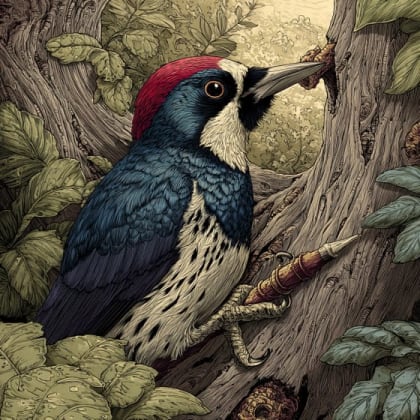
Warbler
Parulidae
Warblers are small, colorful birds that love to sing beautiful songs in the trees. They have bright feathers and are very quick and agile, flitting from branch to branch.
Habitat: Forests
The Warbler is a small, energetic bird, often showcasing bright yellows, greens, and oranges. Many have distinctive eye-rings, wing bars, or streaked chests, setting them apart from other small songbirds.
Category
BirdsRarity
Common
Danger
1/5 · Very low
Snaps
Be the first to snap!
Baby warblers grow fast, leaving their cozy nest in just 10 days!
Many warbler species build delicate, cup-shaped nests hidden in dense trees.
Some warblers can eat hundreds of tiny insects in a single day!
Their tiny feet are specially adapted for clinging to slender branches and leaves.
Warblers can hang upside-down and dart swiftly to catch hidden insects because of their agile bodies and sharp eyesight.
Warblers have an internal compass that helps them fly thousands of miles between continents for breeding and wintering.
Warblers can sing intricate, unique songs that help them attract mates and defend their small territories.
Warblers are tiny insect-eating birds that help keep bug populations in check.
Accipiter striatus
A swift hawk that often hunts warblers in forested areas.
Malacosoma americanum
Warblers eat these caterpillars, helping control forest pest outbreaks.
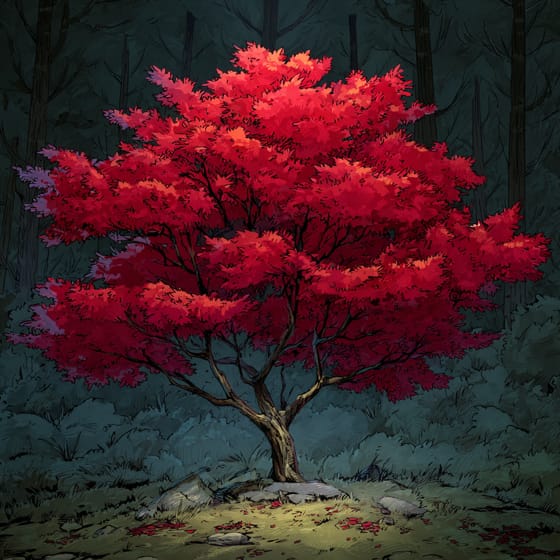
Acer rubrum
Provides essential nesting sites and shelter for many warbler species.
Molothrus ater
Lays eggs in warbler nests, making the warbler raise its young.
Feathered describes animals, primarily birds, possessing a covering of feathers.
Singing animals produce complex vocalizations, often for purposes of attracting mates, defending territory, or communicating within their species.
Arboreal animals live primarily in trees, utilizing them for shelter, food, and protection from predators.
Colorful describes organisms or objects displaying a wide range of bright and distinct colors.

This trait identifies organisms whose diet primarily consists of insects and other small invertebrates.

Forest habitats are terrestrial environments dominated by dense tree cover, supporting a high diversity of plant and animal life.

Diurnal animals are primarily active during daylight hours, typically resting or sleeping at night.

Migratory animals undertake seasonal movements from one region to another, typically in response to changes in climate or food availability.
No aliases listed yet.
Danger
1/5 · Very low
Enjoy watching warblers from a safe distance and never try to catch them. They are wild birds and need their space.
10-17 cm
15-25 cm
0.005-0.02 kg
2-8 years
40 km/h
Warblers are tiny insect-eating birds that help keep bug populations in check.
Forests
Foraging
Zoom in to split clusters and explore where this object has been snapped.
Recent snaps will appear here as new observations are added.