





Western Meadowlark
Sturnella neglecta
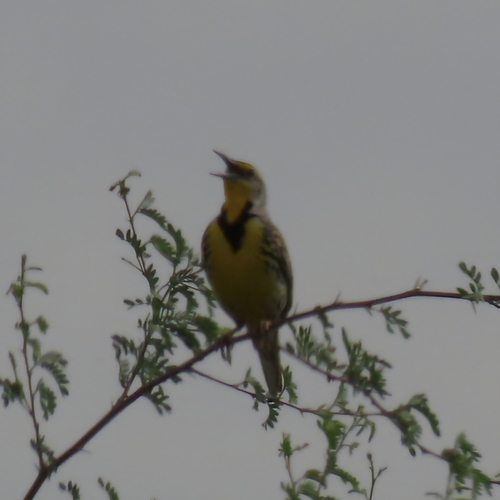
The Western Meadowlark is a beautiful bird with a cheerful song. It has yellow underparts with a black V-shaped bib on its chest. You can often find it perched on fence posts or flying low over grasslands.
Habitat: Grasslands
The Western Meadowlark has bright yellow underparts with a striking black V-shaped band across its chest, distinguishing it instantly. Its upperparts are streaky brown, providing camouflage, and it has white flanks and a short tail.
Category
BirdsRarity
Common
Danger
1/5 · Very low
Snaps
14
Male meadowlarks may have two mates at once during breeding season.
Some meadowlarks have "song dialects" specific to their region!
Their distinctive "V" chest band warns other meadowlarks from their territory.
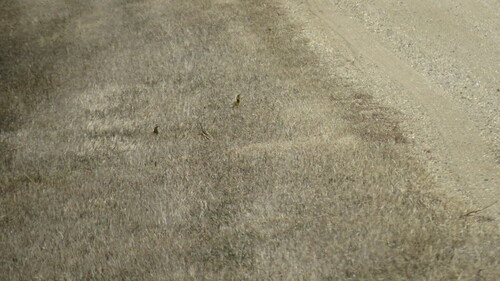
They usually walk, not hop, across the ground when foraging for food.
Western Meadowlarks can weave well-hidden nests directly on the ground using grasses to protect their eggs.
Western Meadowlarks have a rich, flute-like song that helps them declare territory and attract mates over long distances.
Western Meadowlarks can efficiently spot and snatch insects from the ground using their keen eyesight and quick movements.
A varied eater, it feasts on insects, seeds, and occasional berries.
Age differences: Young chicks need protein-rich insects for fast growth, while adults consume more plant matter.
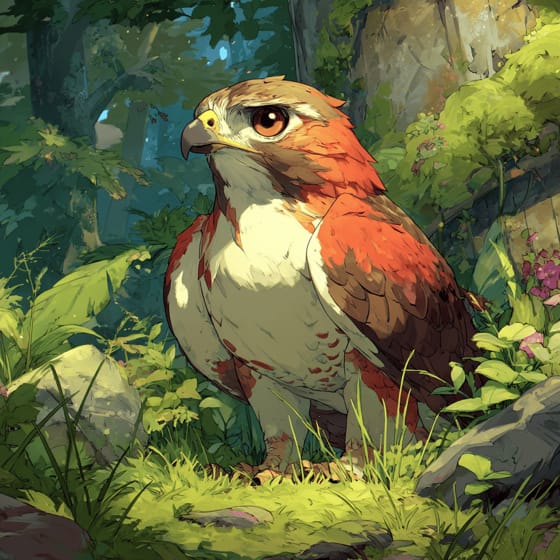
Buteo jamaicensis
A common aerial predator of adult meadowlarks.
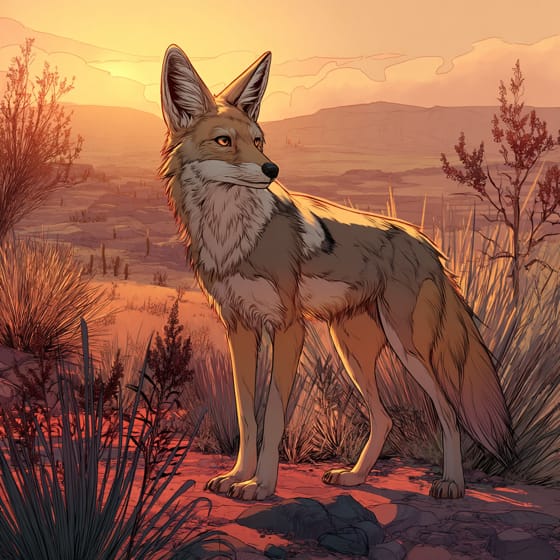
Canis latrans
Preys on ground nests, eggs, and chicks.

Melanoplus differentialis
A primary insect food source for meadowlarks.

Zea mays
Consumes fallen corn kernels from fields.

Andropogon gerardii
Relies on this tall grass for nesting habitat.
Feathered describes animals, primarily birds, possessing a covering of feathers.
Social animals live in organized groups, cooperating for survival benefits such as foraging, defense, and raising offspring.
This trait identifies organisms whose diet includes both plant and animal matter.
Singing animals produce complex vocalizations, often for purposes of attracting mates, defending territory, or communicating within their species.

Camouflaged describes organisms that possess coloring or patterns that allow them to blend into their environment.

Gliding animals move through the air by launching themselves and maintaining flight with specialized body structures, without flapping wings.

Grassland habitats are terrestrial biomes dominated by grasses and herbaceous plants, supporting a variety of grazing animals.

Diurnal animals are primarily active during daylight hours, typically resting or sleeping at night.
No aliases listed yet.
Danger
1/5 · Very low
Enjoy watching these birds from a distance to avoid disturbing their nests.
The easiest way to identify Western Meadowlark is to use the Snappit nature identifier app.
16-26 cm
40-45 cm
0.085-0.115 kg
2-8 years
55 km/h
A varied eater, it feasts on insects, seeds, and occasional berries.
Grasslands
Zoom in to split clusters and explore where this object has been snapped.
Jun 12, 2026
Mesilla PlazaPhoto attribution
(c) Suanne Pyle, some rights reserved (CC BY)
License: CC BY 4.0 ↗
Image may be shown cropped inside the card frame.
Mar 11, 2024
DanebodPhoto attribution
(c) Dani Alba, some rights reserved (CC BY)
License: CC BY 4.0 ↗
Image may be shown cropped inside the card frame.

Jun 7, 2026

Colorado, US
You might spot Common Starlily and Wholeleaf Paintbrush.
View guide →

California, US
You might spot Largemouth Bass and Birdcage Evening Primrose.
View guide →

Montana, US
You might spot Western Ponderosa Pine and Great Horned Owl.
View guide →

New Mexico, US
You might spot White-Winged Dove and Silverleaf Nightshade.
View guide →

Oregon, US
You might spot Mule Deer, Song Sparrow, and Northern Yellow Warbler.
View guide →

Oregon, US
You might spot Belding's Ground Squirrel and Yellow-Headed Blackbird.
View guide →
Take the discovery with you
Snap it with Snappit to identify it, learn what makes it special, and add the discovery to your collection.




.jpg&width=800)









