

American Crocodile
Crocodylus acutus
The American Crocodile has a big smile and a long tail! They can be found in warm waters where they swim and sunbathe.
Habitat: Coastal waters, rivers, and lakes
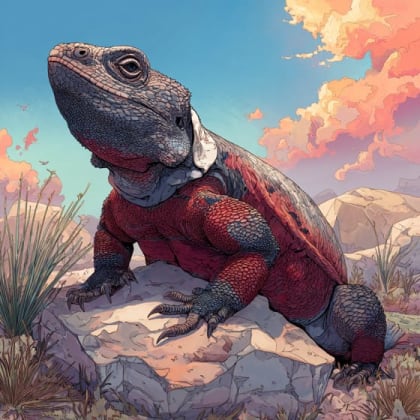
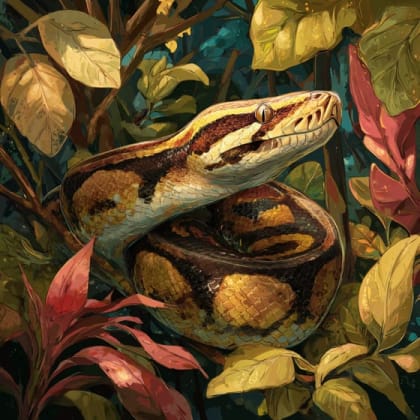
The American Crocodile has a sleek, grayish-green or brownish body. Its distinctive narrow, V-shaped snout and visible fourth tooth when its mouth is closed differentiate it from alligators. They also have bony scales and ridges along their back and tail.
Category
ReptilesRarity
Rare
Danger
5/5 · Extreme
Snaps
Be the first to snap!
Crocodile mothers guard their nests and even help hatchlings escape their eggs!
Crocodile tears are real! They make tears to clean their eyes, not just when eating.
They are one of the fastest reptiles in water, zooming at 32 kilometers per hour!
They can replace their teeth throughout their entire life, having up to 80 sets!
American Crocodiles can drink saltwater because of special glands in their tongue that remove extra salt.
American Crocodiles have incredibly powerful jaws that can snap down with immense force, holding prey tightly.
American Crocodiles can perfectly adjust their body temperature by basking in the sun or cooling off in the water.
American Crocodiles have special clear eyelids that protect their eyes, helping them see clearly underwater.
They are top predators, eating fish, birds, turtles, and even small mammals they catch near the water.
Age differences: Young crocodiles eat mostly insects, crustaceans, and small fish; adults eat larger prey.
Oreochromis niloticus
An abundant fish, serving as a primary food source.
Didelphis virginiana
Ambushes mammals that venture too close to the water.
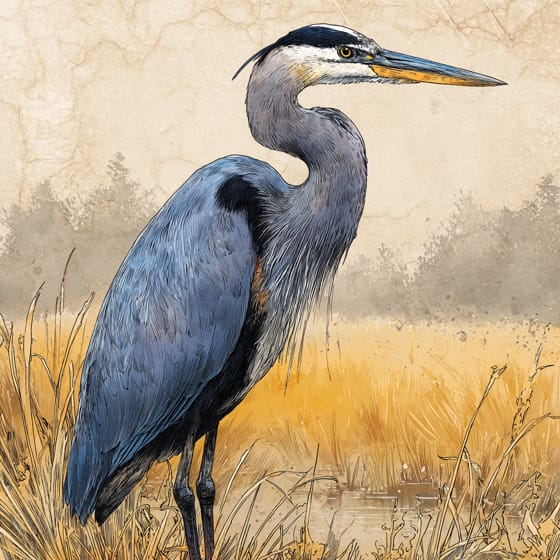
Ardea herodias
Captures unwary wading birds at the water's edge.
Puma concolor
Large predators occasionally target juvenile American Crocodiles.
Social animals live in organized groups, cooperating for survival benefits such as foraging, defense, and raising offspring.
Piscivorous organisms are animals that primarily subsist on a diet of fish.
Thermoregulating organisms maintain a stable internal body temperature despite fluctuations in the external environment.
This trait signifies organisms belonging to a very old evolutionary group with ancestors dating back millions of years.

This trait characterizes organisms with an exceptionally long lifespan compared to others of their kind.

Coastal habitats are dynamic environments located along the interface between land and sea, influenced by tides, waves, and saltwater.

This trait identifies organisms whose diet consists entirely or primarily of animal tissue.

Aquatic habitats encompass environments where organisms live predominantly in water, including oceans, rivers, lakes, and wetlands.

Giant describes organisms or objects of significantly larger size than average for their species or type.
Danger
5/5 · Extreme
Look but don’t touch. Keep a safe distance and wash hands after exploring.
200-610 cm
380-700 kg
50-70 years
17 km/h
They are top predators, eating fish, birds, turtles, and even small mammals they catch near the water.
32 km/h
Coastal waters, rivers, and lakes
Ambush
Zoom in to split clusters and explore where this object has been snapped.
Recent snaps will appear here as new observations are added.