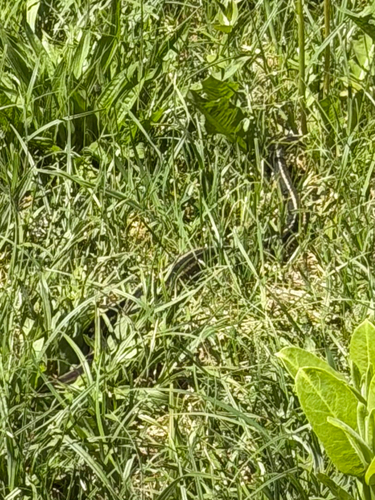



Garter Snake
Thamnophis sirtalis
The Garter Snake is a friendly little snake that can be found in many gardens! They are often striped and can be different colors.
Habitat: Gardens, fields, and forests
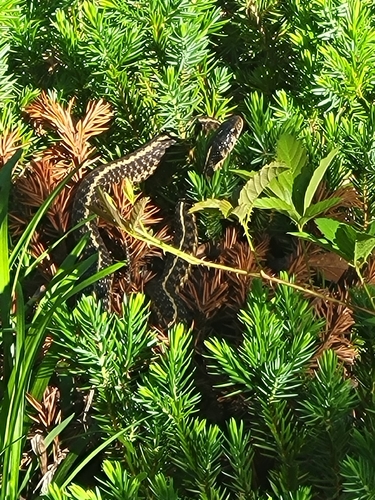
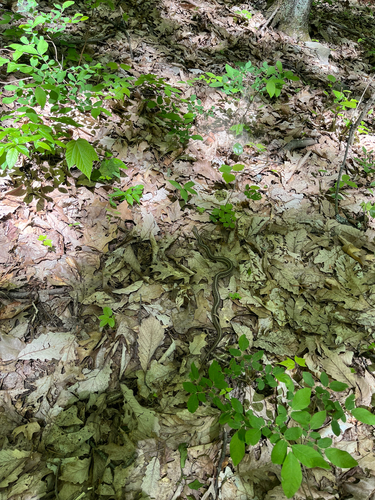
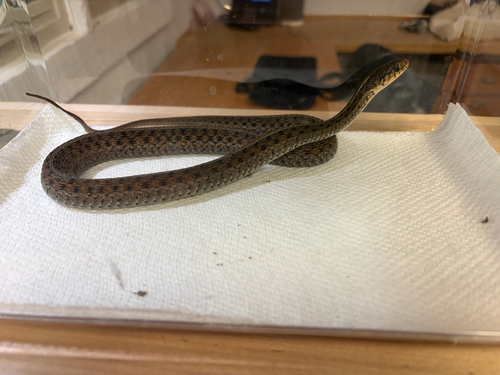
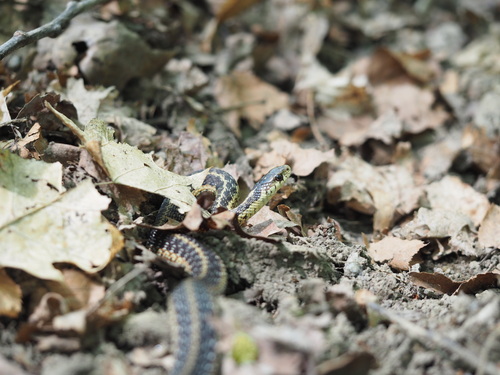
The Garter Snake has a slender body, often featuring three light-colored stripes—yellow, white, blue, or green—running down its back and sides. These stripes contrast with a darker background of black, brown, or olive, sometimes with a checkerboard pattern between them.
Category
ReptilesRarity
Common
Danger
2/5 · Low
Snaps
375
Garter snakes can be found further north than almost any other reptile in North America!
Many garter snakes hibernate together in a huge “snake pile” called a hibernaculum!
Some garter snakes can eat super poisonous newts and not get sick at all!
They often flash their tongues to “smell” their surroundings, like a built-in sniffer!
Garter Snakes have stripes that help them blend perfectly into tall grass or rocky ground, hiding from predators.
Garter Snakes can release a stinky, foul-smelling musk when scared, making predators want to leave them alone.
Garter Snakes give birth to tiny live snakelets, keeping their babies safe inside their body until they are ready to be born.
Some Garter Snakes have a special immunity to the potent toxins found in certain newts they eat!
Garter snakes are keen hunters, feasting on small prey like earthworms, frogs, and sometimes fish!
Lithobates pipiens
A common meal, especially tadpoles and small frogs.
Lumbricus terrestris
A primary and easily accessible food source for garter snakes.
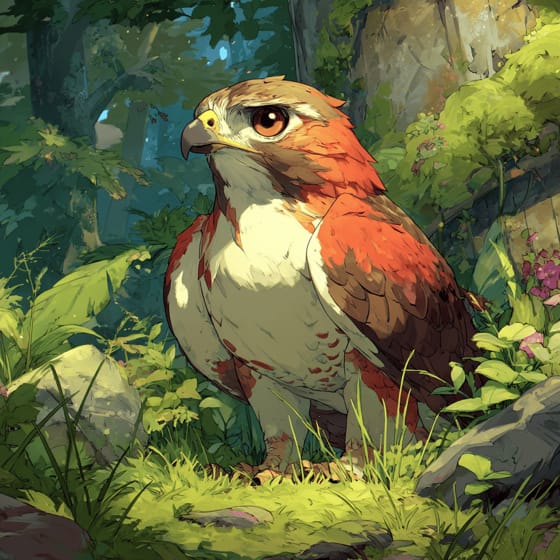
Buteo jamaicensis
A common aerial predator that hunts snakes from above.
Mephitis mephitis
Known to dig up and eat hibernating garter snakes.
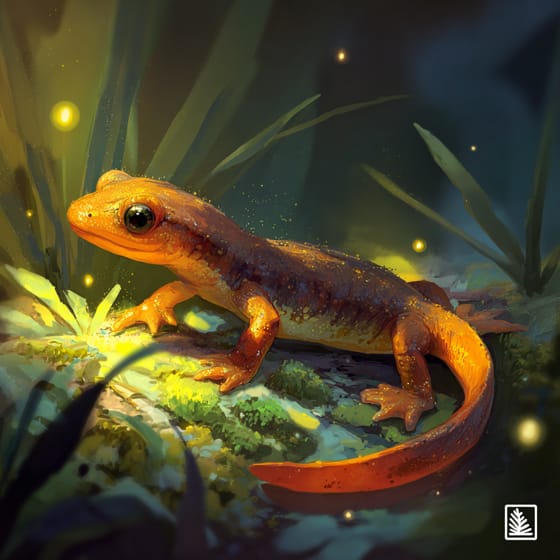
Taricha granulosa
Some garter snake populations have evolved immunity to its toxins.
Wildlife encompasses all undomesticated animal and plant life existing in their natural habitats.
Marked with parallel bands or lines of color.
This trait identifies organisms whose diet primarily consists of insects and other small invertebrates.
Forest habitats are terrestrial environments dominated by dense tree cover, supporting a high diversity of plant and animal life.

Diurnal animals are primarily active during daylight hours, typically resting or sleeping at night.
Danger
2/5 · Low
Look but don’t touch. Keep a safe distance and wash hands after exploring.
The easiest way to identify Garter Snake is to use the Snappit nature identifier app.
46-137 cm
0.1-0.3 kg
5-10 years
5 km/h
Garter snakes are keen hunters, feasting on small prey like earthworms, frogs, and sometimes fish!
1.5 km/h
Gardens, fields, and forests
Zoom in to split clusters and explore where this object has been snapped.
Jun 5, 2026
Auburn University Historic DistrictPhoto attribution
(c) patriciajh, some rights reserved (CC BY)
License: CC BY 4.0 ↗
Image may be shown cropped inside the card frame.
Jun 2, 2026
Binghamton Zoo at Ross ParkPhoto attribution
(c) Christina S. Baer, some rights reserved (CC BY)
License: CC BY 4.0 ↗
Image may be shown cropped inside the card frame.
May 20, 2026
Francis Beidler ForestPhoto attribution
(c) Ryan Watson, some rights reserved (CC BY)
License: CC BY 4.0 ↗
Image may be shown cropped inside the card frame.
May 19, 2026
Field FarmPhoto attribution
(c) Destynnie K. Berard, some rights reserved (CC BY)
License: CC BY 4.0 ↗
Image may be shown cropped inside the card frame.
May 16, 2026
Bean Hill Historic DistrictPhoto attribution
(c) Sawyer Baran, some rights reserved (CC BY)
License: CC BY 4.0 ↗
Image may be shown cropped inside the card frame.

Massachusetts, US
You might spot Eastern White Pine and Common Eastern Bumble Bee.
View guide →

Massachusetts, US
You might spot Eastern Cottontail and American Robin.
View guide →

Georgia, US
You might spot Gulf Fritillary, Anole, and American Beautyberry.
View guide →

Pennsylvania, US
You might spot Mountain Laurel, Ghost Pipe, and Sweetfern.
View guide →

Rhode Island, US
You might spot Common Eastern Bumble Bee and Osprey.
View guide →

Connecticut, US
You might spot Striped Wintergreen and Common Eastern Bumble Bee.
View guide →
Take the discovery with you
Snap it with Snappit to identify it, learn what makes it special, and add the discovery to your collection.