

Winter jasmine
Jasminum nudiflorum
Winter jasmine is a cheerful plant that blooms bright yellow flowers in the winter. It loves to grow in gardens and can climb on walls or fences, bringing color even when it's cold outside.
Habitat: Urban areas, gardens
The Winter jasmine has slender, arching green stems that remain vibrant throughout the year. Its bright yellow, star-shaped flowers appear on bare branches before leaves emerge, making it visually striking against a winter backdrop. The flowers often emerge singly along the stems.
Category
PlantsRarity
Common
Danger
1/5 · Very low
Snaps
2
Despite its name and bright blooms, Winter jasmine flowers have very little scent!
It was introduced to Europe from China in the 19th century as a prized ornamental.
Its bright green stems can photosynthesize even when the plant has lost all its leaves!
Some butterflies, like Red Admirals, might visit its flowers on mild winter days!
Winter jasmine can bloom in freezing temperatures by having flowers resistant to cold, helping it be an early food source.
Winter jasmine has long, flexible stems that can scramble over walls or fences, helping it reach sunlight in various environments.
Winter jasmine can root wherever its stems touch the ground, helping it spread naturally and create new plants.
Apis mellifera
provides early nectar and pollen
Bombus terrestris
food source for winter-active queens
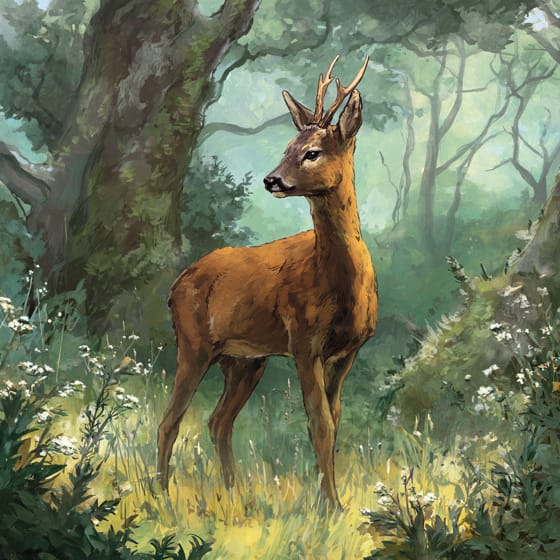
Capreolus capreolus
young shoots may be occasionally browsed
Flowering plants are any plants that produce flowers as part of their reproductive cycle.
A shrub is a woody plant smaller than a tree, typically with multiple stems branching from or near the ground.
Cold hardy plants are able to withstand low temperatures and freezing conditions without significant damage.
Evergreen plants retain their foliage throughout the year, never shedding all their leaves at once.

Fragrant flowers emit a pleasant aroma, often to attract pollinators or for defense.

Describes plants that are particularly attractive and beneficial to a wide range of pollinating organisms.

This habitat trait indicates species that can coexist with humans in urban and suburban environments, utilizing man-made structures and green spaces.
No aliases listed yet.
Danger
1/5 · Very low
Always ask an adult before touching or picking flowers.
100-300 cm
100-250 cm
1-2.5 cm
Winter
No
None
Perennial
Insect
Zoom in to split clusters and explore where this object has been snapped.