Ground Beetle
Carabus spp.
Ground Beetles are fast runners and love to hide under rocks and leaves. They eat other insects and help keep pests away!
Habitat: Forests and gardens
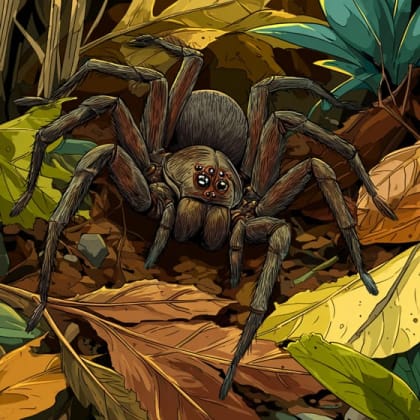
The Ground Beetle is typically dark-colored, often black, brown, or metallic green/blue, with a flattened body and long, slender legs. It has prominent mandibles (jaws) and long antennae, which help distinguish it from common cockroaches.
Category
InsectsRarity
Common
Danger
2/5 · Low
Snaps
Be the first to snap!
Many ground beetles are incredibly fast runners on their long legs!
Some species have amazing metallic shells that shimmer with color!
Their larvae are also fierce, predatory hunters like the adults!
They undergo a complete transformation called metamorphosis!
Ground Beetles can run incredibly fast because of their long, powerful legs, that helps them chase down prey.
Ground Beetles have super-sensitive antennae that helps them detect prey and navigate in complete darkness.
Ground Beetles can spray smelly or irritating chemicals from their rear, that helps them deter predators.
These beetles are mostly predators, eating small insects and slugs to help keep gardens healthy.
Age differences: Larvae also hunt small invertebrates.
Pieris rapae
Ground beetles prey on their caterpillars.
Arion vulgaris
Slugs are a common food source for many species.
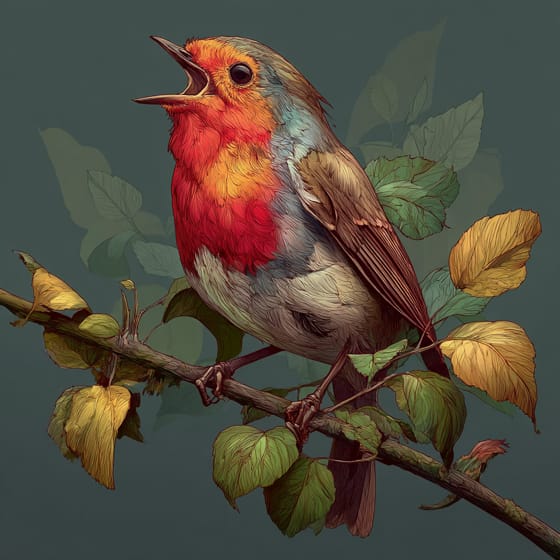
Turdus migratorius
Birds frequently feed on ground beetles.
Sorex araneus
Shrews find ground beetles to be tasty snacks.
Camouflaged describes organisms that possess coloring or patterns that allow them to blend into their environment.
This trait identifies organisms whose diet primarily consists of insects and other small invertebrates.
This trait signifies organisms belonging to a very old evolutionary group with ancestors dating back millions of years.
Forest habitats are terrestrial environments dominated by dense tree cover, supporting a high diversity of plant and animal life.

Describes a species whose presence and role have a disproportionately large effect on its environment.

This trait identifies organisms that exhibit exceptional swiftness in movement for hunting, escape, or travel.

Nocturnal animals are primarily active during the nighttime hours, typically resting or sleeping during the day.

Describes organisms that transfer pollen, enabling the fertilization and reproduction of plants.
Danger
2/5 · Low
Do not touch or pick up. Some insects sting or bite. Ask an adult for help.
5-70 mm
2-35 mm
365-1460 days
5 km/h
These beetles are mostly predators, eating small insects and slugs to help keep gardens healthy.
Forests and gardens
Pursuit
6
Zoom in to split clusters and explore where this object has been snapped.
Recent snaps will appear here as new observations are added.