





Sydney Funnel-web Spider
Atrax robustus
The Sydney Funnel-web Spider is a large, black spider with shiny body and strong legs. It builds its burrow with a funnel-shaped entrance. Be cautious around its habitat.
Habitat: Forest
The Sydney Funnel-web Spider is a robust, shiny black or dark brown arachnid with a glossy, hairless carapace. It has powerful, downward-pointing fangs and prominent spinnerets, making it visually distinct from many other ground-dwelling spiders.
Category
InsectsRarity
Rare
Danger
5/5 · Extreme
Snaps
Be the first to snap!
Its fangs are so strong they can pierce human fingernails!
Male funnel-webs often wander into houses looking for mates.
Scientists milk their venom to create life-saving antivenom.
They often build their silk-lined burrows under rocks and logs.
Sydney Funnel-web Spider can inject potent neurotoxic venom that helps them quickly subdue prey and deter predators.
Sydney Funnel-web Spider can weave intricate funnel-shaped silk retreats that help them ambush unsuspecting prey.
Sydney Funnel-web Spider has specialized claw tufts that help them climb smooth surfaces like glass or concrete.
Sydney Funnel-web Spider can trap an air bubble to breathe underwater, which helps them survive floods.
Tiny insects and other small creatures beware, this spider is a fierce hunter!
Age differences: Young spiders eat smaller insects, while adults can tackle larger prey like frogs.
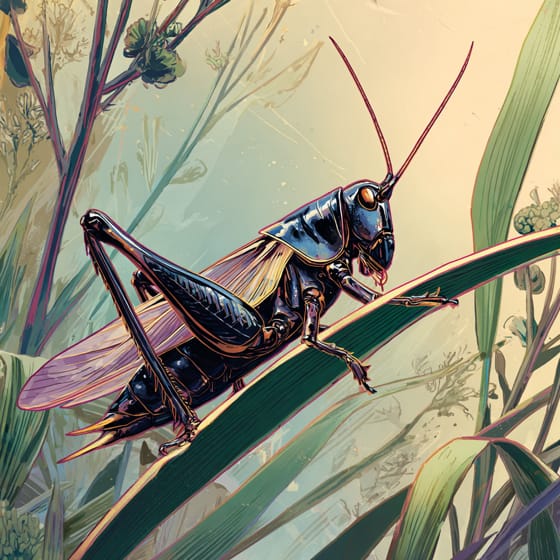
Gryllus assimilis
a common insect prey
Litoria caerulea
predator to small frogs
Scolopendra morsitans
can prey on wandering spiders
Wildlife encompasses all undomesticated animal and plant life existing in their natural habitats.
This trait characterizes organisms that construct elaborate silken webs for catching prey, shelter, or reproduction.
Burrowing animals dig tunnels and chambers in the ground, using these subterranean structures for shelter, hunting, or breeding.
Forest habitats are terrestrial environments dominated by dense tree cover, supporting a high diversity of plant and animal life.

This trait characterizes organisms with an exceptionally long lifespan compared to others of their kind.

This trait identifies organisms whose diet consists entirely or primarily of animal tissue.

Nocturnal animals are primarily active during the nighttime hours, typically resting or sleeping during the day.

Venomous organisms produce toxins that are injected into another animal, typically through a bite or sting.
No aliases listed yet.
Danger
5/5 · Extreme
Avoid touching or provoking this spider. If you see one, admire it from a safe distance.
The easiest way to identify Sydney Funnel-web Spider is to use the Snappit nature identifier app.
10-35 mm
365-3650 days
Tiny insects and other small creatures beware, this spider is a fierce hunter!
Forest
Ambush
8
Zoom in to split clusters and explore where this object has been snapped.
Recent snaps will appear here as new observations are added.
Take the discovery with you
Snap it with Snappit to identify it, learn what makes it special, and add the discovery to your collection.










.jpg&width=800)



