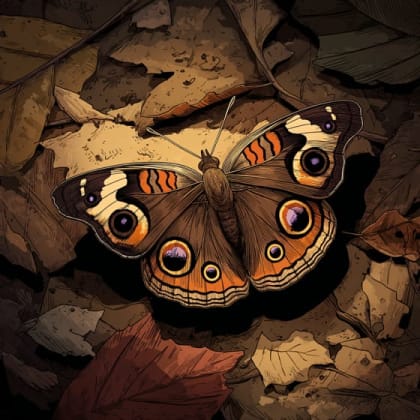
Common Buckeye
Junonia coenia
The Common Buckeye butterfly has big, beautiful eyespots on its wings. It loves to flutter around gardens and fields.
Habitat: Fields and gardens
The Common Buckeye has large, distinctive eyespots on its wings, especially noticeable on its hindwings, which help confuse predators. Its wings are primarily dull brown, tan, and orange, with bright orange bars and white markings near the eyespots.
Category
InsectsRarity
Common
Danger
2/5 · Low
Snaps
60
Common Buckeyes love sunshine; they bask to warm their flight muscles before taking off.
Some Common Buckeyes fly thousands of miles south for winter, just like birds do!
The colors on their wings are made of tiny scales, like roof tiles, creating their patterns.
Their caterpillars are spiky! These spines make them look unappetizing to hungry birds.
Common Buckeye has large 'eyespots' on its wings that trick predators into thinking it's a bigger animal or scare them away.
Common Buckeye can unfurl a straw-like tongue called a proboscis to sip sweet nectar from deep inside flowers.
Common Buckeye has special sensors on its feet that help it taste leaves to find the perfect place to lay eggs.
Adults sip flower nectar; caterpillars munch on various plant leaves to grow big and strong.
Age differences: Yes, larvae eat plant leaves while adults only drink nectar from flowers.
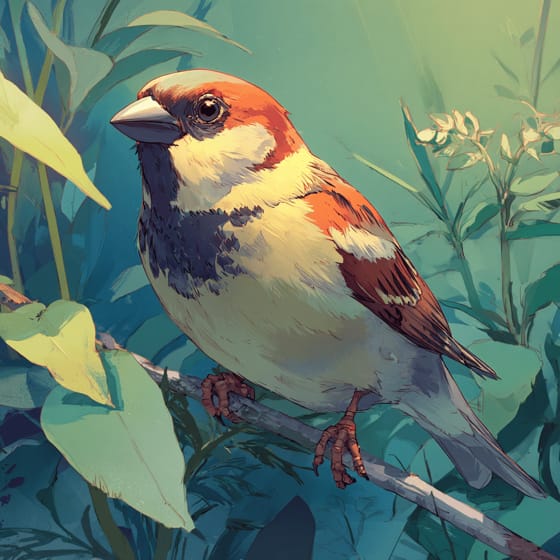
Passer domesticus
Feeds on adult butterflies.
Plantago lanceolata
Larvae feed on the leaves.
Antirrhinum majus
Caterpillars eat the foliage.
Liatris spicata
Adults visit flowers for nectar.
Wildlife encompasses all undomesticated animal and plant life existing in their natural habitats.
Camouflaged describes organisms that possess coloring or patterns that allow them to blend into their environment.
Grassland habitats are terrestrial biomes dominated by grasses and herbaceous plants, supporting a variety of grazing animals.
This trait characterizes organisms whose diet consists entirely or primarily of plant material.

Diurnal animals are primarily active during daylight hours, typically resting or sleeping at night.

Migratory animals undertake seasonal movements from one region to another, typically in response to changes in climate or food availability.

Describes organisms that transfer pollen, enabling the fertilization and reproduction of plants.
Danger
2/5 · Low
Do not touch or pick up. Some insects sting or bite. Ask an adult for help.
50-65 mm
20-30 mm
10-20 days
Adults sip flower nectar; caterpillars munch on various plant leaves to grow big and strong.
Fields and gardens
Foraging
6
Zoom in to split clusters and explore where this object has been snapped.

Virginia, US
You might spot Summer Snowflake, Lesser Celandine, and Mapleleaf Viburnum.
View guide →
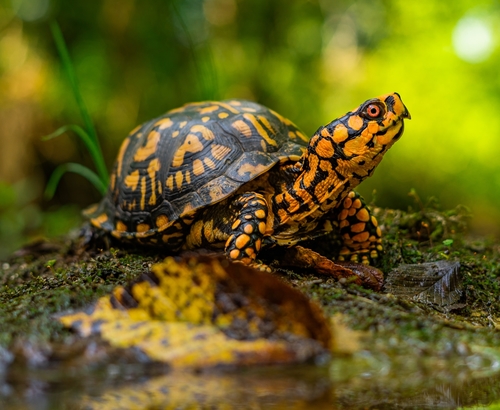
Virginia, US
You might spot Eastern Box Turtle, Sycamore, and Grape Family.
View guide →

Texas, US
You might spot African Lion, Komodo Dragon, and Common Ostrich.
View guide →
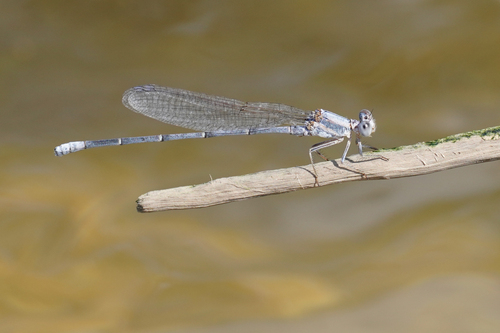
Texas, US
You might spot Powdered Dancer and Glassy-Winged Sharpshooter.
View guide →

Oklahoma, US
You might spot Eastern Pondhawk, Green Treefrog, and Bronzed Tiger Beetle.
View guide →

Maryland, US
You might spot Seaside Dragonlet and Laughing Gull.
View guide →