Scarab Beetle
Gyronotus perissinottoi
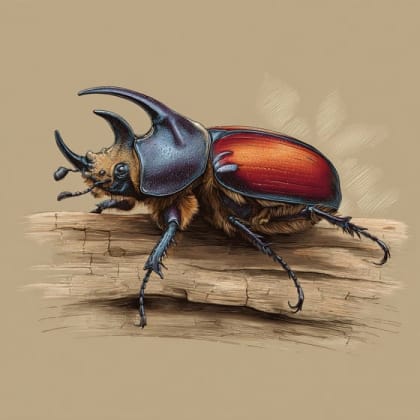
Scarab Beetles are special bugs that were considered sacred in ancient Egypt. They have shiny bodies and roll balls of dung to lay their eggs in!
Habitat: Grasslands and forests
The Scarab Beetle has a robust, often oval-shaped body, typically dark and iridescent green, blue, or black. Many species possess distinctive lamellate antennae that can fan out. Its hard, protective wing covers (elytra) give it a polished appearance.
Category
InsectsRarity
Rare
Danger
2/5 · Low
Snaps
Be the first to snap!
A male rhinoceros beetle, a type of scarab, can lift 850 times its own weight!
Ancient Egyptians revered scarabs as sacred symbols of creation and rebirth.
Many scarabs have feathery antennae that help them smell food from far away.
Some scarab beetles can glow in the dark with amazing bioluminescence!
Scarab Beetles can lift objects many times their own weight because of their powerful legs and strong exoskeletons.
Scarab Beetles, especially dung beetles, can navigate using the light from the Milky Way because of their unique eyes.
Scarab Beetles have a tough, chitinous exoskeleton that helps them survive impacts and protect their delicate wings.
Scarab Beetles can quickly break down organic matter, like dung, because of their efficient digestive systems.
Scarab beetles eat a variety of things like decaying plants, fungi, dung, or even other insects.
Age differences: Larvae usually consume decaying organic matter or roots, while adults have varied diets.
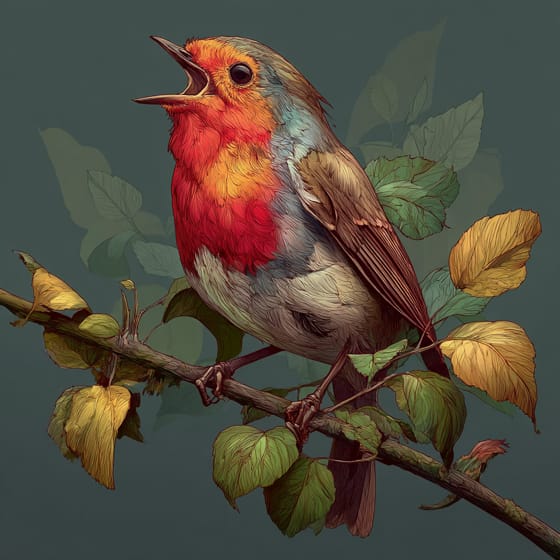
Turdus migratorius
A common food source for many bird species.
Mephitis mephitis
Skunks often dig for scarab larvae in lawns.
Bos taurus
Many dung beetles rely on their droppings for food.
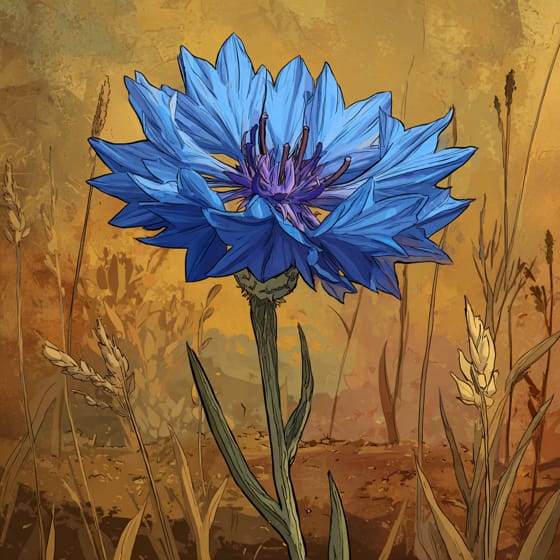
Zea mays
Larvae of some scarabs can feed on corn roots.
Colorful describes organisms or objects displaying a wide range of bright and distinct colors.
Grassland habitats are terrestrial biomes dominated by grasses and herbaceous plants, supporting a variety of grazing animals.
This trait characterizes organisms whose diet consists entirely or primarily of plant material.
This trait signifies organisms belonging to a very old evolutionary group with ancestors dating back millions of years.

Describes organisms that break down dead organic material, recycling nutrients back into the ecosystem.

Forest habitats are terrestrial environments dominated by dense tree cover, supporting a high diversity of plant and animal life.

Armored describes animals protected by a hard, external covering or shell for defense.

Describes a species whose presence and role have a disproportionately large effect on its environment.

Nocturnal animals are primarily active during the nighttime hours, typically resting or sleeping during the day.

Describes organisms that transfer pollen, enabling the fertilization and reproduction of plants.
No aliases listed yet.
Danger
2/5 · Low
Do not touch or pick up. Some insects sting or bite. Ask an adult for help.
10-100 mm
5-60 mm
30-180 days
15 km/h
Scarab beetles eat a variety of things like decaying plants, fungi, dung, or even other insects.
Grasslands and forests
Scavenging
6
Zoom in to split clusters and explore where this object has been snapped.
Recent snaps will appear here as new observations are added.