
Pika
Ochotona princeps
Pikas are small mammals that look like a mix between a rabbit and a mouse. They live in mountainous areas and are known for their loud calls and haypiles.
Habitat: Mountain regions
The Pika is a small, stout mammal with a round body and no visible tail, resembling a tiny, tailless rabbit. It has large, round ears and dense, grayish-brown fur that helps it blend into its rocky mountain environment.
Category
MammalsRarity
Common
Danger
1/5 · Very low
Snaps
5
Pikas get all the water they need from the plants they eat, rarely drinking directly!
Pikas often "sunbathe" on warm rocks to heat up their bodies after a chilly night.
These tiny mammals have teeth that grow continuously throughout their entire lives, like rodents.
They can create over 70 different types of sounds to talk with each other!
Pika can build large 'haystacks' of dried plants that helps them store food for the harsh winter months.
Pika has a loud, high-pitched alarm call that helps them warn others of predators approaching their colony.
Pika can live in cold, rocky mountain environments because of their dense fur and high metabolism.
Pikas are tiny herbivores that munch on grasses, wildflowers, and other mountain plants.
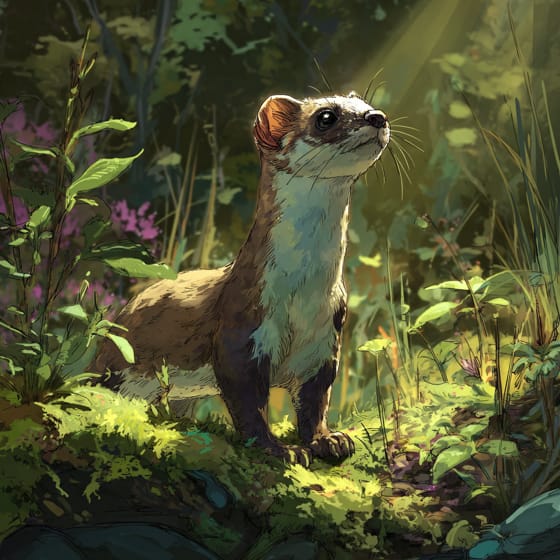
Mustela erminea
A swift predator that hunts pikas among the rocks.

Aquila chrysaetos
Soars above, snatching pikas from open areas.
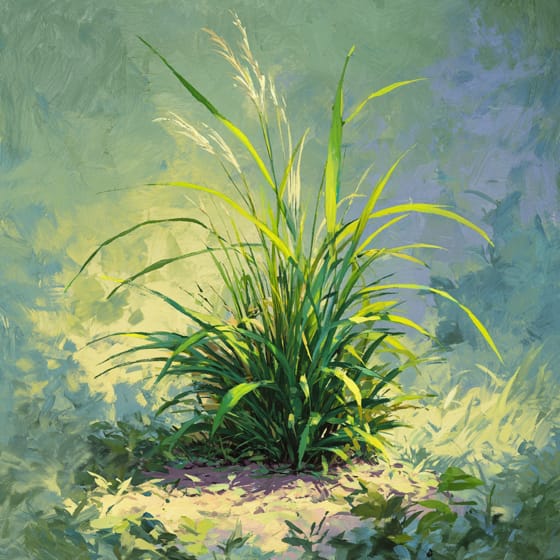
Poa pratensis
Essential part of their diet, stored as hay for winter.
Marmota flaviventris
Pikas sometimes use their abandoned burrows for safety.
Furry describes animals possessing a dense covering of soft hair or fur.
Social animals live in organized groups, cooperating for survival benefits such as foraging, defense, and raising offspring.
This trait characterizes organisms whose diet consists entirely or primarily of plant material.
Thermoregulating organisms maintain a stable internal body temperature despite fluctuations in the external environment.

This habitat trait identifies species found in mountainous regions, characterized by high elevation, steep slopes, and varying climate zones.

Diurnal animals are primarily active during daylight hours, typically resting or sleeping at night.

Describes a species whose presence and role have a disproportionately large effect on its environment.

Nocturnal animals are primarily active during the nighttime hours, typically resting or sleeping during the day.
Danger
1/5 · Very low
Pikas are wild animals and should be observed from a safe distance without disturbing them.
16-20 cm
0.12-0.17 kg
3-7 years
25 km/h
Pikas are tiny herbivores that munch on grasses, wildflowers, and other mountain plants.
Mountain regions
Foraging
2-6
Zoom in to split clusters and explore where this object has been snapped.
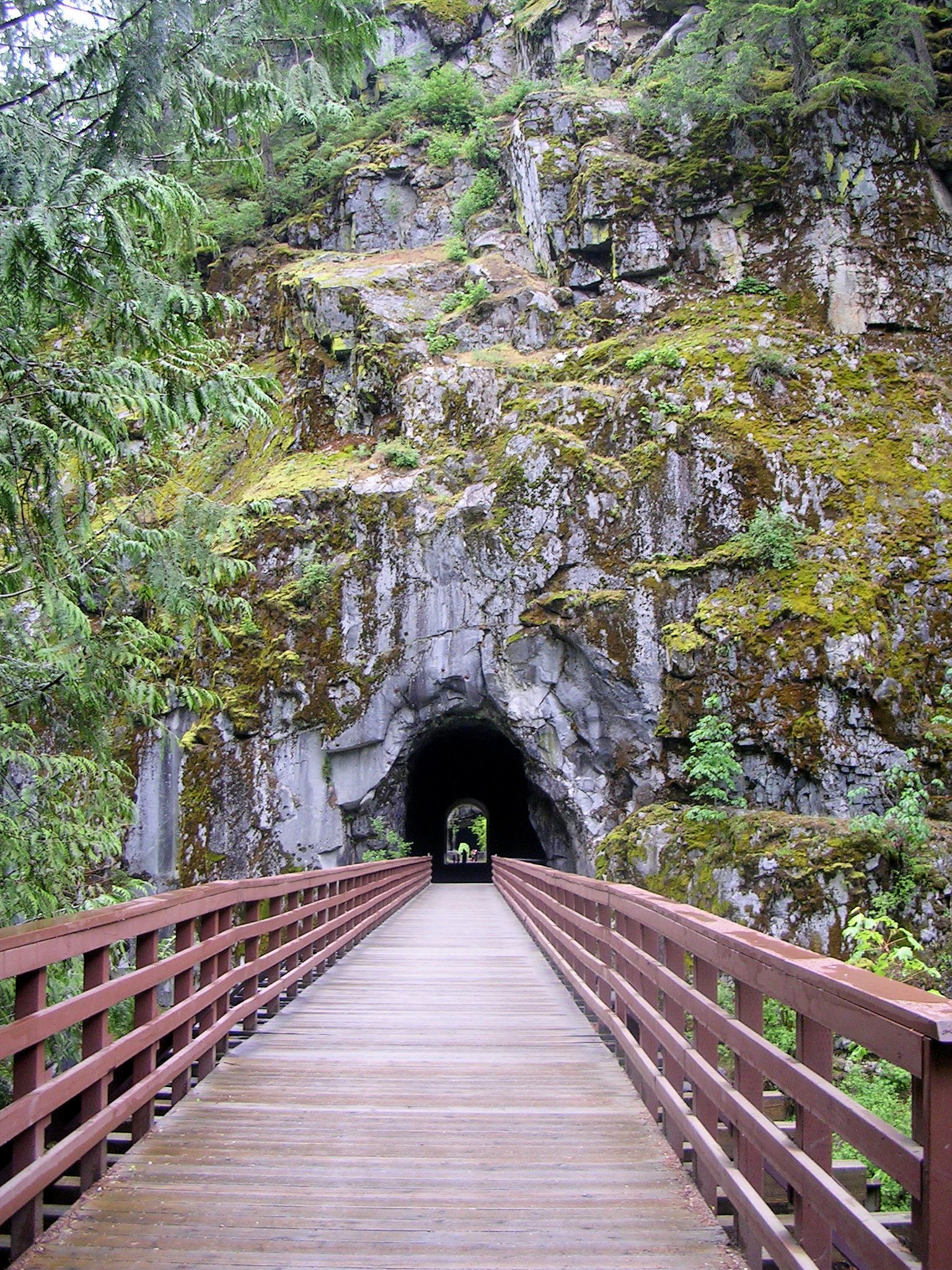
British Columbia, CA
You might spot Western Sword Fern, Vine Maple, and Thimbleberry.
View guide →

British Columbia, CA
You might spot Canada Jay, Pink Mountainheath, and Yellow-Pine Chipmunk.
View guide →

British Columbia, CA
You might spot Common Golden-Mantled Ground Squirrel.
View guide →

British Columbia, CA
You might spot White Pasqueflower and Hoary Marmot.
View guide →
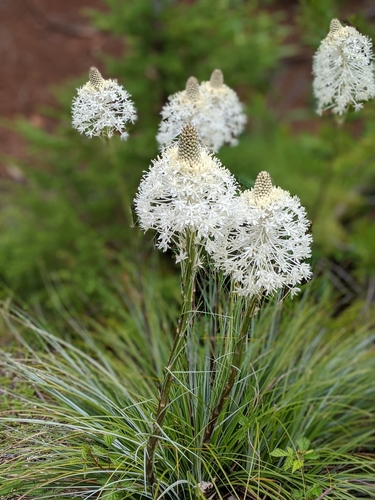
British Columbia, CA
You might spot Common Beargrass and White-Flowered Rhododendron.
View guide →