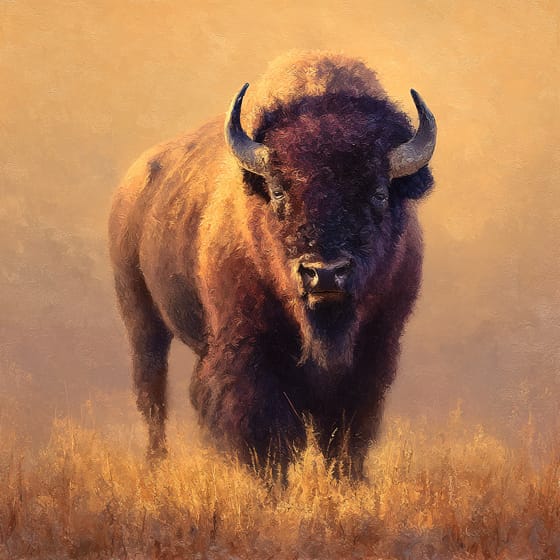





Bison
Bison
Bison are large, strong animals with big, shaggy coats. They roam in herds across grasslands and are known for their impressive size and strength.
Habitat: Grasslands
The Bison has a massive head with short, curved horns and a prominent hump over its shoulders. Its shaggy, dark brown fur is thickest on its forequarters, contrasting with lighter brown on its hindquarters and legs.
Category
MammalsRarity
Common
Danger
3/5 · Moderate
Snaps
Be the first to snap!
Wow! A bison's hump is pure muscle, helping them plow snow for food!
Wow! Bison calves are born with reddish fur, earning them the nickname 'red dogs'!
Wow! Bison herds can number in the thousands, making the ground tremble!
Wow! Bison were once called 'buffalo' but are different animals!
Bison has a thick, shaggy coat that insulates it from extreme cold, helping them survive harsh winter blizzards.
Bison can run up to 56 km/h despite their size, helping them escape predators like wolves on the open plains.
Bison create dust wallows to rub off insects and loose fur, which keeps their skin healthy and clean.
Bison are big plant-eaters, mainly munching on grasses to fuel their massive bodies.
Canis lupus
Wolves hunt young or weak bison.
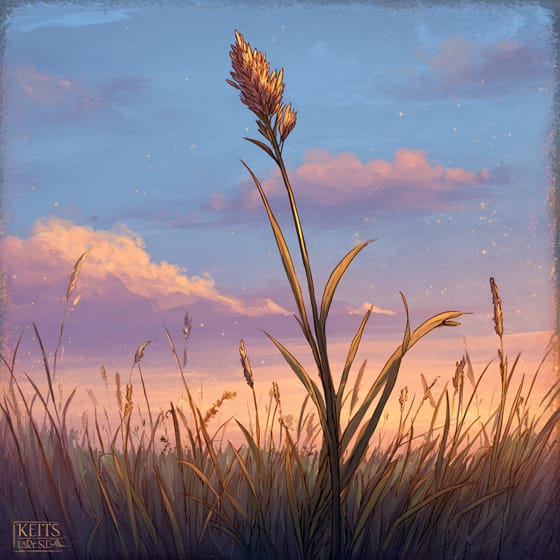
Andropogon gerardii
A primary grass bison graze in prairies.
Dermacentor andersoni
Ticks feed on bison blood.
Furry describes animals possessing a dense covering of soft hair or fur.
Social animals live in organized groups, cooperating for survival benefits such as foraging, defense, and raising offspring.
Grassland habitats are terrestrial biomes dominated by grasses and herbaceous plants, supporting a variety of grazing animals.
This trait characterizes organisms whose diet consists entirely or primarily of plant material.

Diurnal animals are primarily active during daylight hours, typically resting or sleeping at night.

Describes a species whose presence and role have a disproportionately large effect on its environment.

This trait identifies organisms that exhibit exceptional swiftness in movement for hunting, escape, or travel.

Giant describes organisms or objects of significantly larger size than average for their species or type.
No aliases listed yet.
Danger
3/5 · Moderate
Always watch bison from a safe distance and never try to get close to them.
210-350 cm
320-1000 kg
15-25 years
56 km/h
Bison are big plant-eaters, mainly munching on grasses to fuel their massive bodies.
Grasslands
Grazing
1
Zoom in to split clusters and explore where this object has been snapped.
Recent snaps will appear here as new observations are added.