
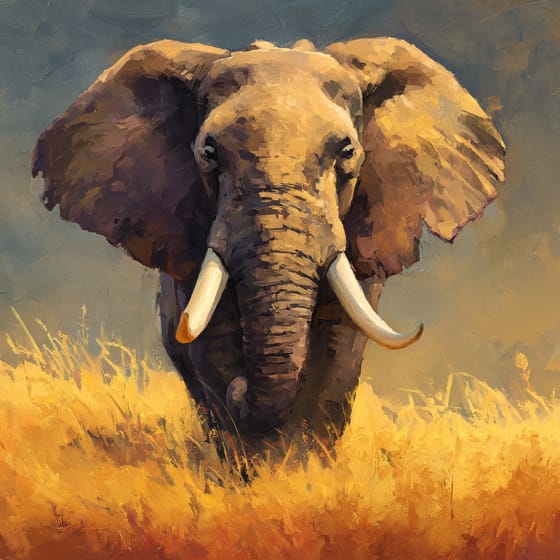
African Elephant
The North Carolina Zoo, nestled in Asheboro, offers an unparalleled journey into the heart of the wild.
The North Carolina Zoo, nestled in Asheboro, offers an unparalleled journey into the heart of the wild. As the world's largest natural habitat zoo, it spans an impressive 2,600 acres, with 500 developed acres providing expansive and immersive environments for its more than 1,700 animals representing over 250 species. Visitors are invited to explore diverse ecosystems across two main continental regions: Africa and North America, with a specialized Desert dome adding another unique biome. The zoo's commitment to mimicking natural habitats means animals enjoy "room to roam," offering guests a truly authentic and often awe-inspiring viewing experience.
Stepping into the North Carolina Zoo is like embarking on a global safari. In the African region, you can wander through the vast Watani Grasslands, where a panorama of African elephants, southern white rhinoceroses, and various antelopes such as the fringe-eared oryx and greater kudu roam freely. Close encounters with agile chimpanzees in the lush Kibale Forest or majestic Western lowland gorillas in the Forest Glade provide unforgettable moments. The North American region transports you from the icy Rocky Coast, home to playful polar bears and elusive Arctic foxes, to the serene Cypress Swamp where American alligators and cougars reside, and the Streamside habitat featuring North American river otters.
Beyond the animal encounters, the zoo offers an enriching experience for all ages. Delight in the vibrant Kaleidoscope Butterfly Garden, an immersive walk-through filled with tropical plants and fluttering beauties. The Acacia Station Giraffe Deck allows you to come eye-to-eye with these gentle giants, and the Endangered Species Carousel adds a whimsical touch to your visit. With miles of shaded walking trails, educational "Keeper Chats," and the convenience of trams to navigate the vast distances, the North Carolina Zoo is more than just an animal park; it's a living classroom and a vibrant testament to wildlife conservation. Be ready to snap and learn! Get the Snappit app to identify any nature species you find here.
The vision for the North Carolina Zoo began in 1967 when the North Carolina legislature established a study commission to explore the feasibility of a state zoo. Following a two-year search, a site in Randolph County was selected, and 1,371 acres were donated to the state in 1971. Governor Robert W. Scott dedicated the site in 1972, and construction officially commenced in 1974. An "Interim Zoo" first opened its doors in 1974, welcoming its initial animal residents, two Galapagos tortoises, in 1973. The zoo's foundational philosophy centered on creating natural habitats, a pioneering concept for its time. The groundbreaking for the Africa region occurred in 1976, with the grand opening of its original five habitats in 1980. The North American habitats were developed throughout the 1990s, opening in phases from 1993 to 1996. The North Carolina Zoo earned accreditation from the Association of Zoos and Aquariums (AZA) in 1984, solidifying its commitment to animal welfare, conservation, and education. Looking to the future, a new Asia region is currently under construction and is anticipated to open in 2026, promising exciting new additions like tigers, Komodo dragons, and red pandas.
Beyond viewing animals, attend a "Keeper Chat" to learn directly from zookeepers about specific species. Consider a "Zoofari" tour for an immersive ride through the Watani Grasslands (additional cost may apply). Engage with interactive exhibits in the Kidzone, or explore the various hiking trails surrounding the zoo.
Spring/Fall: Excellent weather for walking, animals are typically very active. The Kaleidoscope Butterfly Garden is usually open from May. Summer: Can be hot and crowded, leading some animals to seek indoor, cooler spaces. Winter: Fewer visitors create a more relaxed atmosphere. North American animals, such as polar bears and grizzly bears, are often more active. African animals have access to heated indoor facilities, so they are still viewable. Special events like "Boo at the Zoo" occur in October.
The North Carolina Zoo is committed to accessibility, offering accessible parking and drop-off points at both entrances. Paths are typically wide asphalt or concrete, though some slopes are present. Manual wheelchairs and Electric Conveyance Vehicles (ECVs) are available for rent on a first-come, first-served basis. All in-park trams and buses are wheelchair accessible. Wheelchair-accessible attractions include the Endangered Species Carousel, Acacia Station Giraffe Deck, and Kaleidoscope Butterfly Garden. Service animals are permitted, though restrictions apply in certain sensitive areas like the Giraffe Deck or Desert dome for the safety of both the service animal and zoo animals.
Watani Grasslands (African elephants, southern white rhinoceroses, giraffes), Kitera Forest (chimpanzees), Forest Glade (Western lowland gorillas), African Lion habitat.
Rocky Coast (polar bears, harbor seals, Arctic foxes), Cypress Swamp (American alligators, cougars), Streamside (North American river otters, bobcats), Prairie (American bison, elk).
An indoor dome featuring sand cats, Gila monsters, ocelots, and various reptiles.
Acacia Station Giraffe Deck, Kaleidoscope Butterfly Garden, Endangered Species Carousel.
Each card links to a full Explore page with photos, traits, and fun facts.
Start with the big picture, then zoom in to explore individual wildlife observations around this place.
Arrive Early
Get there right at opening (9 AM) to beat the crowds and see animals at their most active.
Wear Comfortable Shoes
With up to 5 miles of walking trails, comfortable footwear is essential for an enjoyable visit.
Utilize Trams and Buses
Take advantage of the free in-park trams and parking lot shuttles to cover long distances between continents and save energy.
Bring Refillable Water Bottles
Stay hydrated by bringing your own water bottles and refilling them at the numerous water stations throughout the park.
Plan Your Route
Consider parking in the North America lot, taking the tram to Africa first, and then walking downhill through Africa, and then North America.
Don't Rush It
Given the zoo's vast size, consider focusing on one major region (Africa or North America) to avoid feeling rushed and truly appreciate the exhibits.
Feb 28, 2026
Feb 20, 2026
Feb 19, 2026
Feb 19, 2026
Feb 19, 2026

Michigan, US
You might spot African Lion, Komodo Dragon, and Brown Bear.
View guide →
.jpg)
Municipal District of Cobh, IE
You might spot Ring-Tailed Lemur, Giraffes, and Cheetahs.
View guide →

Nouvelle-Aquitaine, FR
You might spot Greater Flamingo, Giraffes, and Red Panda.
View guide →

Texas, US
You might spot Giraffes, African Lion, and Eastern Black Rhinoceros.
View guide →
Take the discovery with you
Identify the wildlife you spot, learn as you go, and keep a collection of the adventure.