





Black Rhinoceros
Diceros bicornis
The Black Rhinoceros is a large, strong animal with a big horn on its nose. They are gentle giants that love to munch on leaves and bushes in the wild.
Habitat: Grasslands and savannas
The Black Rhinoceros has a thick, dark grey hide that often appears lighter or darker depending on the mud it rolls in. It features a distinctive hooked or prehensile upper lip, which helps grasp food, and two prominent horns on its snout, differentiating it from the square-lipped White Rhinoceros.
Category
MammalsRarity
Rare
Danger
3/5 · Moderate
Snaps
Be the first to snap!
A group of rhinos is called a 'crash,' which makes perfect sense for these powerful, often solitary creatures!
Black Rhinos can create their own pathways through dense bush, shaping the landscape as they forage.
Despite their name, Black Rhinos are usually dark grey, with their color depending on the soil and mud they wallow in!
They use piles of poop, called 'middens,' like signposts to communicate messages with other rhinos in their territory!
Black Rhinoceros has an incredible sense of smell that helps them find food and spot potential dangers from far away.
Black Rhinoceros can run surprisingly fast and turn quickly in dense bush, helping them escape predators like lions.
Black Rhinoceros has a unique, prehensile upper lip that helps them expertly grasp and strip leaves from thorny branches.
This mega-herbivore uses its unique lip to browse on a variety of plants, helping shape its environment.
Buphagus africanus
eats ticks and can alarm rhino to danger
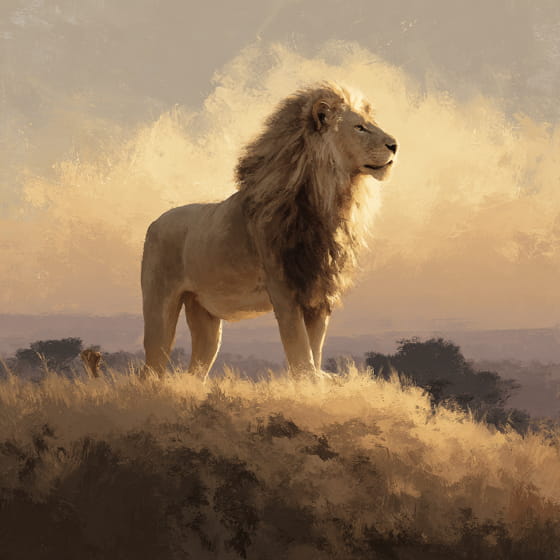
Panthera leo
can prey on young or vulnerable rhino calves
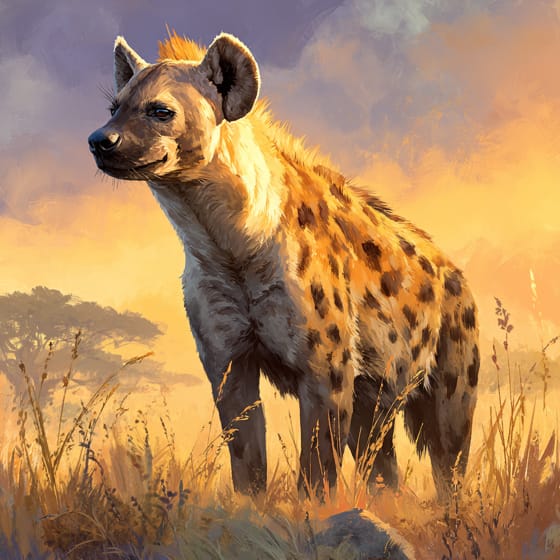
Crocuta crocuta
may target calves or injured adults
Vachellia tortilis
browses leaves and branches from this common tree
Furry describes animals possessing a dense covering of soft hair or fur.
Solitary animals live alone for most of their lives, only interacting with others for mating or parental care.
Characterized by having one or more hard, permanent, pointed projections on the head.
This trait characterizes organisms whose diet consists entirely or primarily of plant material.
This habitat trait denotes species native to savannas, which are grasslands with scattered trees, typically found in tropical or subtropical regions with distinct wet and dry seasons.

This trait signifies organisms belonging to a very old evolutionary group with ancestors dating back millions of years.

Protected status signifies a species or area is safeguarded by legal measures and conservation efforts to prevent harm or loss.

Endangered status indicates a species is at a very high risk of extinction in the wild in the near future.
Danger
3/5 · Moderate
Always admire rhinos from a safe distance and remember they are wild animals.
The easiest way to identify Black Rhinoceros is to use the Snappit nature identifier app.
280-380 cm
800-1400 kg
30-35 years
55 km/h
This mega-herbivore uses its unique lip to browse on a variety of plants, helping shape its environment.
Grasslands and savannas
Foraging
Zoom in to split clusters and explore where this object has been snapped.
Recent snaps will appear here as new observations are added.

Indiana, US
You might spot Panthera Pardus Orientalis and Reticulated Giraffe.
View guide →

Florida, US
You might spot Baobab, African Elephant, and Giraffes.
View guide →
.jpg&width=800)
Hawaii, US
You might spot Reticulated Giraffe, African Lion, and Komodo Dragon.
View guide →
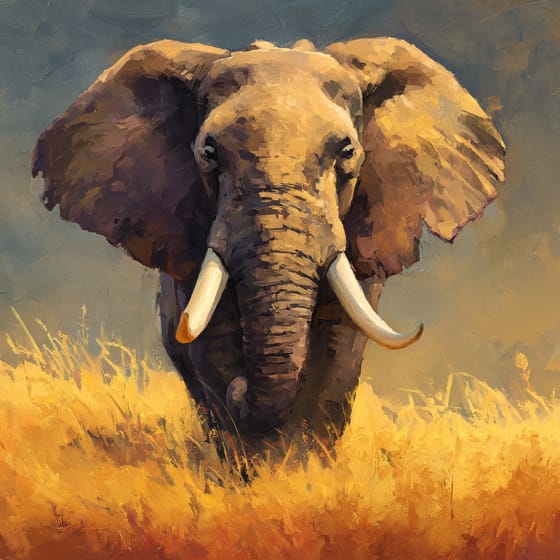
Missouri, US
You might spot African Elephant, Giraffes, and Zebra.
View guide →

South Dakota, US
You might spot Japanese Macaque, Tiger, and Snow Leopard.
View guide →
Missouri, US
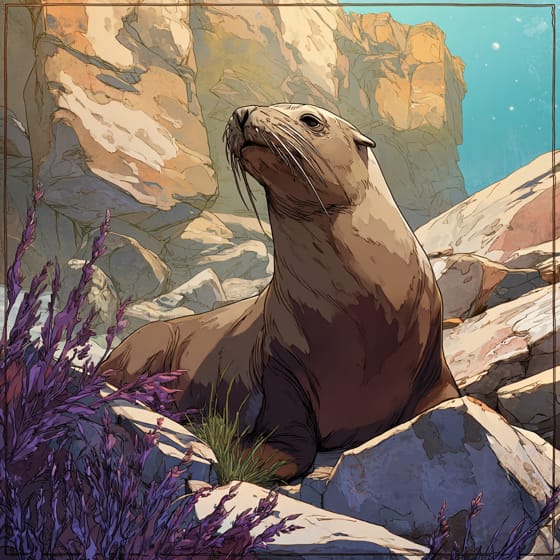
You might spot Sea Lion, King Penguin, and Tiger.
View guide →
Take the discovery with you
Snap it with Snappit to identify it, learn what makes it special, and add the discovery to your collection.




.jpg&width=800)




.JPG&width=800)


.jpg&width=800)
