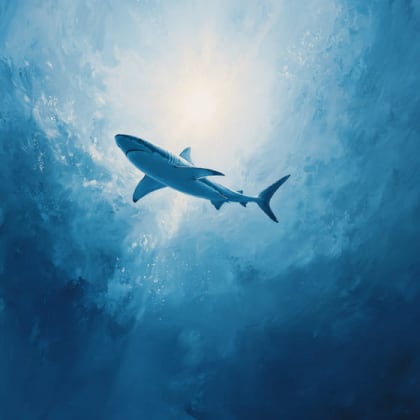

Sailfish
Istiophorus platypterus
Sailfish are incredibly fast swimmers with long, pointed bills. They are known for their vibrant colors and impressive dorsal fin that looks like a sail when raised.
Habitat: Coastal areas
The Sailfish has a long, slender body with a distinctive, large sail-like dorsal fin that can span its entire back. Its iridescent blue to greyish-blue body contrasts with silvery-white underparts, and it possesses a prominent, pointed bill.
Category
FishRarity
Rare
Danger
2/5 · Low
Snaps
Be the first to snap!
Sailfish have a special heater near their eyes to keep their brain warm!
Sailfish work together in groups, taking turns slashing prey with their bills!
Their eyes are huge, almost as big as tennis balls, to spot tiny prey far away!
Young Sailfish grow super fast, sometimes doubling their length in just a few weeks!
Sailfish can raise their huge dorsal fin to herd prey into tight balls, making them easier to catch and eat.
Sailfish can swim incredibly fast to chase down speedy prey and escape danger in the open ocean with ease.
Sailfish use their pointed bill to slash and stun fish during hunting, making them easier to capture.
Sailfish can quickly change their body colors to communicate with other sailfish while hunting in groups.
Sailfish are speedy predators that hunt other fish and squid in the open ocean.
Age differences: Young sailfish eat zooplankton and larvae, gradually shifting to larger fish and squid as they grow.
Sardinops sagax
A key schooling prey fish.
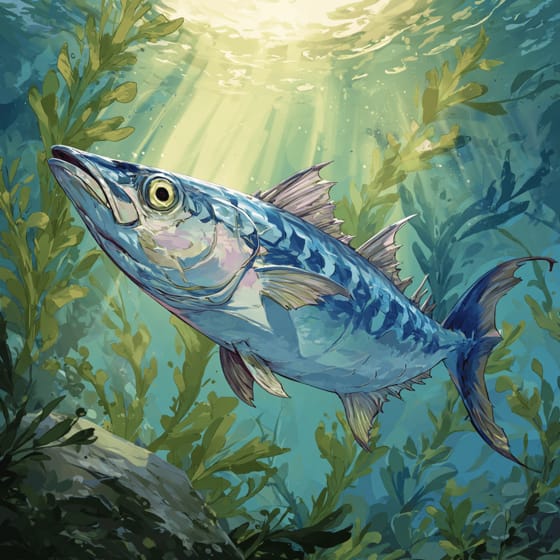
Scomber scombrus
Forms large schools in cooler waters.
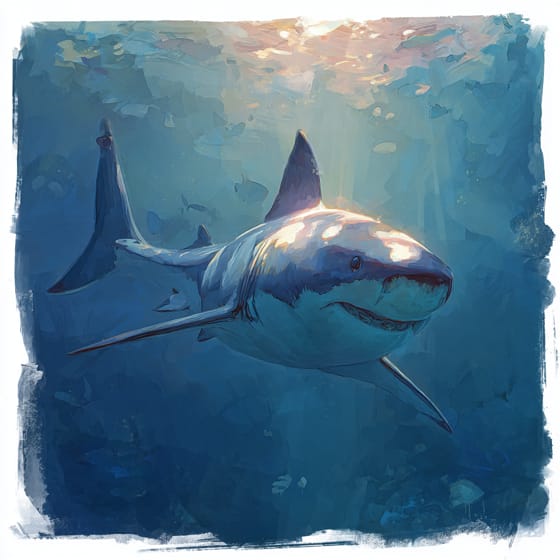
Carcharodon carcharias
Juveniles may fall prey.
Wildlife encompasses all undomesticated animal and plant life existing in their natural habitats.
Colorful describes organisms or objects displaying a wide range of bright and distinct colors.
Piscivorous organisms are animals that primarily subsist on a diet of fish.
This trait describes organisms that manipulate external objects to achieve a specific goal.

Coastal habitats are dynamic environments located along the interface between land and sea, influenced by tides, waves, and saltwater.

This trait identifies organisms that exhibit exceptional swiftness in movement for hunting, escape, or travel.

Aquatic habitats encompass environments where organisms live predominantly in water, including oceans, rivers, lakes, and wetlands.
No aliases listed yet.
Danger
2/5 · Low
Admire sailfish from a safe distance and never try to touch them in the wild.
160-350 cm
20-100 kg
4-7 years
Sailfish are speedy predators that hunt other fish and squid in the open ocean.
110 km/h
Coastal areas
Pursuit
350 m
Zoom in to split clusters and explore where this object has been snapped.
Recent snaps will appear here as new observations are added.