Guinea Fowl
Numida meleagris
Guinea fowls are friendly birds with colorful feathers. They often live in groups and love to roam around, making them fun to watch!
The Guinea Fowl has a distinctive grey-black body covered in white, pearl-like spots. Its unfeathered head features a bony, helmet-like casque and colorful red or blue wattles, making it easily recognizable among other birds.
Category
BirdsRarity
Common
Danger
1/5 · Very low
Snaps
Be the first to snap!
A large group of Guinea Fowl is called a "rafter" or sometimes a "confusion".
Guinea Fowl often take "dust baths" to clean their feathers and remove tiny parasites.
Their loud, repetitive calls can sometimes sound like they're shouting "buckwheat!"
These fearless birds are excellent at finding and eating venomous snakes and scorpions.
Guinea Fowl can make loud, piercing calls that help them alert others to danger, acting as a natural alarm system.
Guinea Fowl can effectively control pests by eating many insects, including ticks and grasshoppers, which helps protect crops.
Guinea Fowl has strong legs that help them run swiftly to escape predators, making them surprisingly fast on the ground.
These birds eat a varied diet of insects, seeds, and plants found by foraging on the ground.

Panthera pardus
A major predator, hunting adult Guinea Fowl in their natural habitat.
Python sebae
Large snakes can ambush and consume Guinea Fowl.
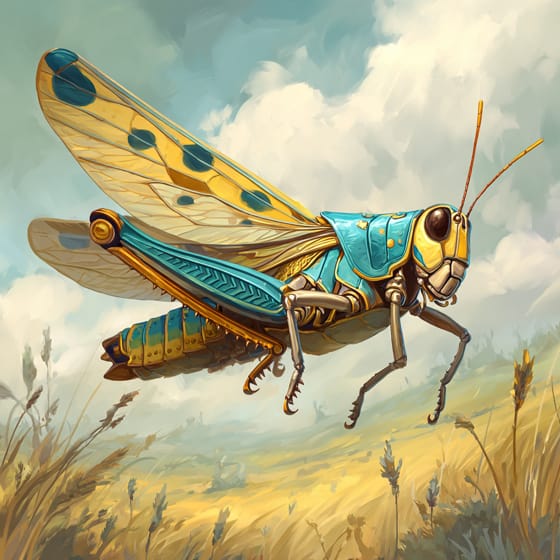
Locusta migratoria
Guinea Fowl consume various large insects, including these crop pests.
Apis mellifera
They will forage for various insects, including honey bees.
Feathered describes animals, primarily birds, possessing a covering of feathers.
Social animals live in organized groups, cooperating for survival benefits such as foraging, defense, and raising offspring.
This trait identifies organisms whose diet includes both plant and animal matter.
Colorful describes organisms or objects displaying a wide range of bright and distinct colors.

This habitat trait denotes species native to savannas, which are grasslands with scattered trees, typically found in tropical or subtropical regions with distinct wet and dry seasons.

Diurnal animals are primarily active during daylight hours, typically resting or sleeping at night.

This trait identifies organisms that exhibit exceptional swiftness in movement for hunting, escape, or travel.

Nocturnal animals are primarily active during the nighttime hours, typically resting or sleeping during the day.
Danger
1/5 · Very low
Guinea fowls are generally safe, but it's best to watch them from a distance. Don't chase or scare them.
40-71 cm
75-100 cm
0.7-1.6 kg
6-12 years
30 km/h
These birds eat a varied diet of insects, seeds, and plants found by foraging on the ground.
Foraging
10-15
Zoom in to split clusters and explore where this object has been snapped.
Recent snaps will appear here as new observations are added.