





Great Spotted Woodpecker
Dendrocopos major
The Great Spotted Woodpecker is a colorful bird with a black and white body and a bright red patch on its head. It loves to peck on trees to find yummy bugs to eat.
Habitat: Forests and woodlands
The Great Spotted Woodpecker is a medium-sized bird with striking pied black and white plumage. It has a distinctive black cap, white cheeks, and a bright red patch under its tail. Males also have a small red spot on the nape of their neck, making them easily identifiable.
Category
BirdsRarity
Common
Danger
1/5 · Very low
Snaps
12
A woodpecker’s tongue actually wraps around its entire skull to protect its brain!
Great Spotted Woodpeckers stash food like nuts and seeds in tree bark for later snacks.
Their drumming isn't just for food; it's also how they attract mates and mark their territory!
They can cling to vertical tree trunks upside down with no problem thanks to strong feet.
The Great Spotted Woodpecker has a specially designed skull and strong neck muscles that help them absorb the impact of pecking hard wood.
Great Spotted Woodpeckers can extend their long, barbed, sticky tongue far out to extract insects and larvae from deep crevices.
Great Spotted Woodpeckers use their stiff tail feathers as a prop, bracing themselves against tree trunks for stability while pecking.
They mostly eat insects hidden in trees, but also enjoy seeds, nuts, and sometimes even eggs.
Age differences: Young chicks are fed mostly insects by their parents, gradually transitioning to a varied adult diet.
Formica rufa
Preys on ants found in wood and on the ground.

Accipiter nisus
A common aerial predator of adult woodpeckers.
Quercus robur
Excavates nesting and roosting cavities in mature trees.
Wildlife encompasses all undomesticated animal and plant life existing in their natural habitats.
Feathered describes animals, primarily birds, possessing a covering of feathers.
Singing animals produce complex vocalizations, often for purposes of attracting mates, defending territory, or communicating within their species.
Arboreal animals live primarily in trees, utilizing them for shelter, food, and protection from predators.

This trait identifies organisms whose diet primarily consists of insects and other small invertebrates.

This trait describes organisms that manipulate external objects to achieve a specific goal.

Forest habitats are terrestrial environments dominated by dense tree cover, supporting a high diversity of plant and animal life.

Diurnal animals are primarily active during daylight hours, typically resting or sleeping at night.
Danger
1/5 · Very low
These birds are friendly and not dangerous. Always watch wildlife from a distance.
The easiest way to identify Great Spotted Woodpecker is to use the Snappit nature identifier app.
20-24 cm
34-39 cm
0.07-0.098 kg
6-11 years
50 km/h
They mostly eat insects hidden in trees, but also enjoy seeds, nuts, and sometimes even eggs.
Forests and woodlands
Zoom in to split clusters and explore where this object has been snapped.

England, UK
You might spot African Lion, Tiger, and Southern White Rhinoceros.
View guide →

Lapland, FI
You might spot Polar Bear, Brown Bear, and Wolverine.
View guide →

Bavaria, DE
You might spot Polar Bear, Giraffes, and Asian Elephant.
View guide →

Berlin, DE
You might spot Giant Panda, Asian Elephant, and Hippopotamus.
View guide →

Saxony, DE
You might spot Red Panda, Yak, and Domestic Bactrian Camel.
View guide →
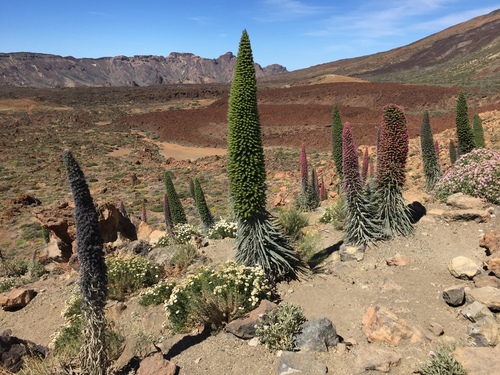
Spain, ES
You might spot Red Mount Teide Bugloss and Canarian Lizards.
View guide →
Take the discovery with you
Snap it with Snappit to identify it, learn what makes it special, and add the discovery to your collection.





.jpg&width=800)








