





Eurasian Blue Tit
Cyanistes caeruleus
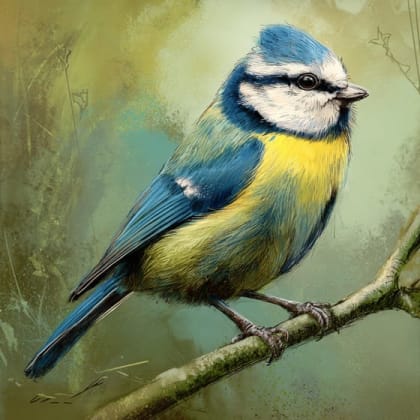
The Eurasian Blue Tit is a small, colorful bird with bright blue and yellow feathers. They are friendly and love to visit gardens and parks.
Habitat: Woodlands, gardens, and parks
The Eurasian Blue Tit has a distinctive bright blue cap, white cheeks with a black eye-stripe, and a vibrant yellow belly. Its wings and tail are also blue, setting it apart from other small woodland birds with its vivid coloration.
Category
BirdsRarity
Common
Danger
1/5 · Very low
Snaps
20
A single pair can lay one of the largest clutches of eggs for their size!
Blue Tits can adapt their diet, even storing food for later in secret spots!
Some Blue Tits learn to peck open milk bottle tops to drink the cream!
They often use their own feathers to line their cozy nests, making them super soft!
Eurasian Blue Tits can hang upside down because of their strong feet that helps them reach insects in tricky spots.
Eurasian Blue Tits have a knack for finding tiny holes that helps them shelter their large clutches safely.
Eurasian Blue Tits can devour vast numbers of caterpillars because of their high metabolism that helps keep trees healthy.
These small birds primarily eat insects and caterpillars, especially for their young, supplementing with seeds and nuts.
Age differences: Chicks require a diet rich in protein, primarily insects and caterpillars, especially during spring and summer.

Accipiter nisus
A common aerial predator of small garden birds.
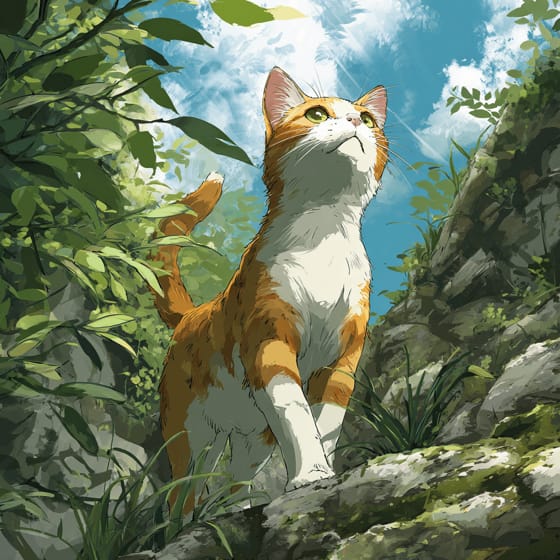
Felis catus
A common ground predator in gardens and urban areas.

Quercus robur
Provides nesting sites and a rich source of insect food.

Operophtera brumata
Blue Tits consume large numbers of their caterpillars.
Wildlife encompasses all undomesticated animal and plant life existing in their natural habitats.
Feathered describes animals, primarily birds, possessing a covering of feathers.
Social animals live in organized groups, cooperating for survival benefits such as foraging, defense, and raising offspring.
Singing animals produce complex vocalizations, often for purposes of attracting mates, defending territory, or communicating within their species.

Colorful describes organisms or objects displaying a wide range of bright and distinct colors.

This trait identifies organisms whose diet primarily consists of insects and other small invertebrates.

This trait characterizes organisms with an exceptionally long lifespan compared to others of their kind.

Diurnal animals are primarily active during daylight hours, typically resting or sleeping at night.
Danger
1/5 · Very low
These birds are friendly and safe to watch from a distance. Do not try to touch or catch them.
The easiest way to identify Eurasian Blue Tit is to use the Snappit nature identifier app.
10.5-12 cm
17-20 cm
0.009-0.012 kg
2-10 years
35 km/h
These small birds primarily eat insects and caterpillars, especially for their young, supplementing with seeds and nuts.
Woodlands, gardens, and parks
Zoom in to split clusters and explore where this object has been snapped.
England, UK
You might spot African Elephant, Bornean Orangutan, and Tiger.
View guide →

England, UK
You might spot Red Panda and Ring-Tailed Lemur.
View guide →

Hainaut, BE
You might spot Giant Panda, Polar Bear, and Tiger.
View guide →

Berlin, DE
You might spot Giant Panda, Asian Elephant, and Hippopotamus.
View guide →

England, UK
You might spot Ring-Tailed Lemur, Meerkat, and Red Panda.
View guide →

England, UK
You might spot Blacktip Reef Shark, Gentoo Penguin, and Sea Turtle.
View guide →
Take the discovery with you
Snap it with Snappit to identify it, learn what makes it special, and add the discovery to your collection.




.jpg&width=800)








