






Mustang
Equus ferus caballus
Mustangs are wild horses that are strong and fast. They live in herds and enjoy running free in open spaces.
The Mustang is a medium to large-sized horse, displaying a wide range of coat colors including bay, black, chestnut, dun, and pinto patterns. It has a muscular body, sturdy legs, and often a thick mane and tail. Its strong, compact build distinguishes it from more refined domestic breeds.
Category
MammalsRarity
Common
Danger
2/5 · Low
Snaps
Be the first to snap!
Mustang groups, called 'bands,' are led by an older mare, not a stallion.
Mustangs are feral horses, not truly wild, descended from those that escaped Spanish explorers.
Mustangs communicate using whinnies, snorts, and even by twitching their ears!
Mustangs survive extreme weather, from scorching deserts to freezing mountains!
Mustang has incredibly strong hooves that help them traverse rocky and uneven terrain without needing shoes.
Mustang can reach speeds of up to 50 km/h (30 mph) that helps them quickly outrun predators across open plains.
Mustang has excellent hearing and a wide field of vision that helps them detect danger from far away.
Mustangs are plant-eating herbivores that mostly munch on grasses and shrubs to get their energy.
Canis lupus
Wolves may prey on foals or weaker horses.
Puma concolor
Mountain lions are a natural predator of foals.
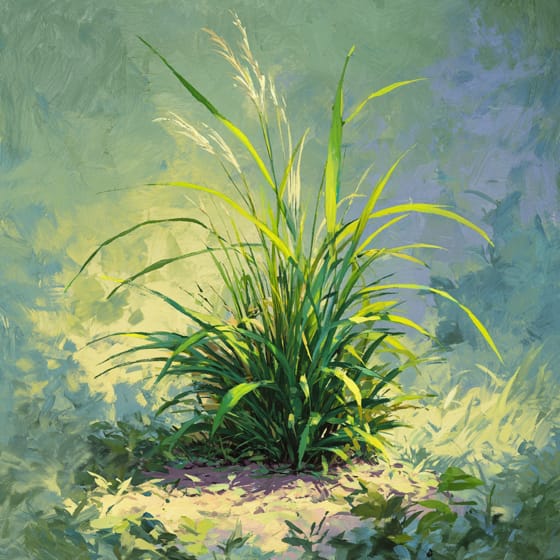
Poa pratensis
Mustangs graze on various native and introduced grasses.
Artemisia tridentata
They browse on sagebrush when grasses are scarce.
Furry describes animals possessing a dense covering of soft hair or fur.
Pertaining to species widely recognized and emblematic for their cultural, environmental, or symbolic significance.
Social animals live in organized groups, cooperating for survival benefits such as foraging, defense, and raising offspring.
Colorful describes organisms or objects displaying a wide range of bright and distinct colors.

Grassland habitats are terrestrial biomes dominated by grasses and herbaceous plants, supporting a variety of grazing animals.

This trait characterizes organisms whose diet consists entirely or primarily of plant material.

This trait signifies organisms belonging to a very old evolutionary group with ancestors dating back millions of years.

Domesticated refers to species that have been selectively bred and tamed by humans for specific purposes.

This trait characterizes organisms with an exceptionally long lifespan compared to others of their kind.

This trait identifies organisms that exhibit exceptional swiftness in movement for hunting, escape, or travel.
No aliases listed yet.
Danger
2/5 · Low
Always approach horses gently and ask an adult for help when near them.
200-240 cm
360-450 kg
20-30 years
50 km/h
Mustangs are plant-eating herbivores that mostly munch on grasses and shrubs to get their energy.
Grazing
1
330-345 days
Zoom in to split clusters and explore where this object has been snapped.
Recent snaps will appear here as new observations are added.















