

Speckled Wood
Pararge aegeria
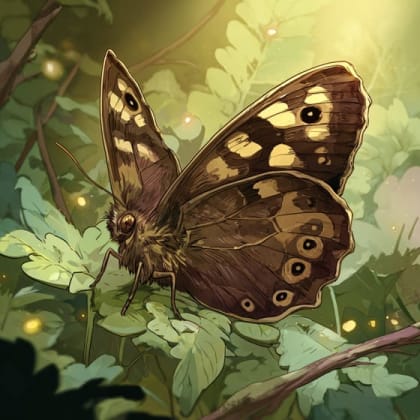
The Speckled Wood is a charming butterfly with brown wings and lovely spots. It enjoys sunny spots in the woods!
Habitat: Woodlands and gardens
The Speckled Wood has dark brown wings with striking creamy-yellow to orange-brown 'eyespots' ringed in black, creating a dappled effect. Its underside often shows more intricate patterns. This camouflage helps it blend into shaded woodlands.
Category
InsectsRarity
Common
Danger
2/5 · Low
Snaps
6
Speckled Wood males battle for sunlit patches to find mates!
Their caterpillars are bright green, perfectly camouflaged on grass!
They can hatch two or even three generations in one summer!
Unlike most butterflies, adults prefer tree sap to flower nectar!
Speckled Wood has dappled brown and yellow patterns that help them disappear into forest shadows.
Speckled Wood can quickly warm its body by basking in sunbeams to prepare for flight.
Speckled Wood has 'eyespots' on its wings that can confuse predators, protecting its vital body parts.
Adults mainly drink sweet tree sap, while caterpillars munch on fresh green grasses.
Age differences: Larvae eat grasses, while adults primarily feed on tree sap and honeydew, occasionally nectar.
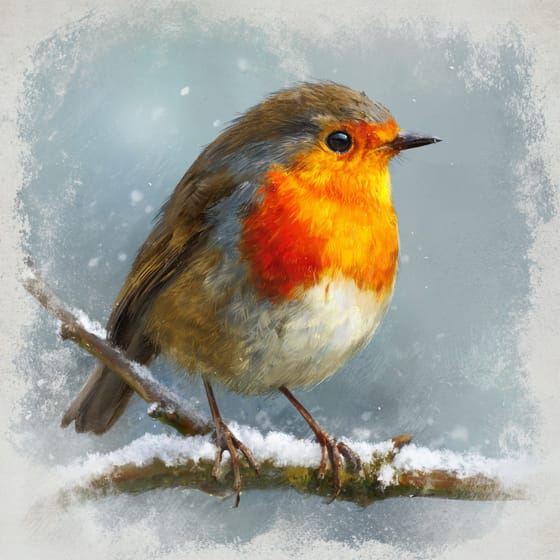
Erithacus rubecula
Adult butterflies can be prey for small birds.
Araneus diadematus
Spiders often catch Speckled Woods in their webs.
Poa annua
Caterpillars feed on the leaves of various grasses.
Quercus robur
Adults feed on sweet sap that seeps from tree trunks.
Wildlife encompasses all undomesticated animal and plant life existing in their natural habitats.
Marked with spots or patches of a different color.
This trait characterizes organisms that construct elaborate silken webs for catching prey, shelter, or reproduction.
This trait characterizes organisms whose diet consists entirely or primarily of plant material.

Forest habitats are terrestrial environments dominated by dense tree cover, supporting a high diversity of plant and animal life.

Diurnal animals are primarily active during daylight hours, typically resting or sleeping at night.

Describes organisms that transfer pollen, enabling the fertilization and reproduction of plants.
Danger
2/5 · Low
Do not touch or pick up. Some insects sting or bite. Ask an adult for help.
40-52 mm
18-25 mm
14-21 days
12 km/h
Adults mainly drink sweet tree sap, while caterpillars munch on fresh green grasses.
Woodlands and gardens
Foraging
6
Zoom in to split clusters and explore where this object has been snapped.

England, UK
You might spot Asian Lady Beetle, Rook, and Red Admiral.
View guide →

Wales, UK
You might spot Macaques.
View guide →

Central Denmark Region, DK
You might spot European Toad, Wild Teasel, and Fireweed.
View guide →

Occitania, FR
You might spot Cheetahs, Camel, and Emu.
View guide →

Liberec Region, CZ
You might spot Red Deer.
View guide →
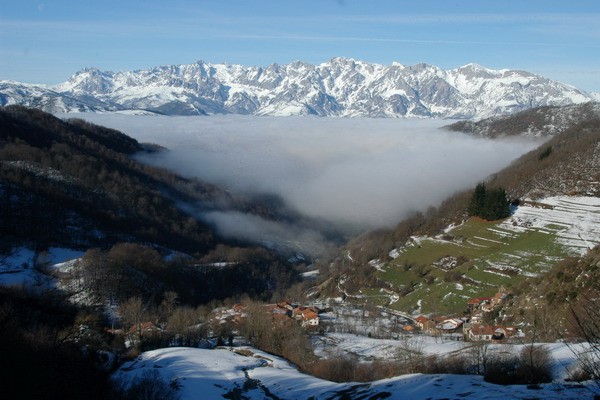
Spain, ES
You might spot Pyrenean Chamois, Alpine Toadflax, and Pyrenean Eryngo.
View guide →