Alpine Chough
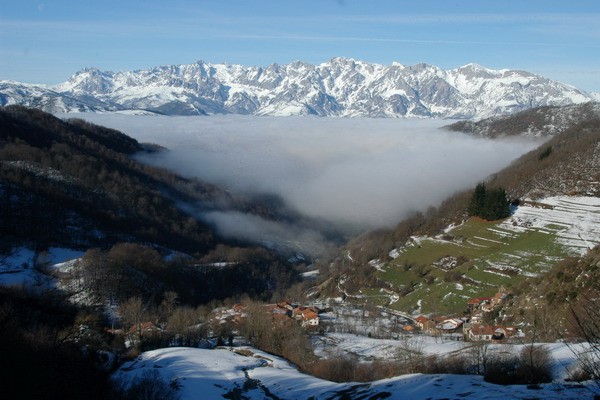
Picos de Europa National Park, nestled in the dramatic Cantabrian Mountains of northern Spain, is a breathtaking expanse of rugged limestone peaks, verdant valleys, and deep gorges.
Picos de Europa National Park, nestled in the dramatic Cantabrian Mountains of northern Spain, is a breathtaking expanse of rugged limestone peaks, verdant valleys, and deep gorges. As Spain's first National Park, established in 1918, and a UNESCO Biosphere Reserve, it safeguards an Atlantic ecosystem where towering rock formations meet lush oak and beech groves. Its name, "Peaks of Europe," is said to have originated from sailors returning from the Americas, who sighted these majestic mountains as their first glimpse of the European continent. This unique park is also notable for being an inhabited national park, where traditional rural life and spectacular nature harmoniously coexist, offering visitors a profound connection to both history and the wild.
The park is divided into three distinct massifs—Western (Cornión), Central (Urrieles), and Eastern (Ándara)—each offering its own spectacular landscapes and adventures. Popular trails such as the iconic Ruta del Cares, often called the "Divine Gorge," carve through immense canyons, while the Fuente Dé cable car whisks visitors effortlessly into high-alpine scenery. Habitats range from low-lying forests to high-altitude pastures, supporting a rich diversity of wildlife. Keep an eye out for the agile Pyrenean Chamois (also known as Cantabrian Chamois), soaring Eurasian Griffons and Egyptian Vultures, and the elusive Brown Bear. The park's diverse flora includes a profusion of wildflowers, numerous orchid species, and plants endemic to the Cantabrian mountains, especially vibrant in spring.
Visiting Picos de Europa National Park is an unforgettable journey into a landscape of unparalleled natural beauty and cultural heritage. Whether you're an avid hiker seeking challenging ascents to peaks like Picu Urriellu (Naranjo de Bulnes), a nature photographer capturing the stunning vistas and wildlife, or a family exploring the tranquil Lakes of Covadonga, there's something to captivate every traveler. The charming traditional villages like Bulnes and Sotres offer a glimpse into a timeless way of life, while the local cuisine, particularly the famous Cabrales cheese, provides a delightful taste of the region. This "hidden gem" promises a memorable escape where adventure and serenity intertwine. Don't forget to bring the Snappit nature identification app along to scan local species.
Picos de Europa holds a significant place in Spanish conservation history as it was declared the country's first National Park on July 22, 1918. It was initially named Parque Nacional de la Montaña de Covadonga, covering the western part of the current park, largely due to the efforts of Pedro Pidal, 1st Marquess of Villaviciosa de Asturias, a pioneering environmentalist. The park was significantly expanded in 1995 and again in 2014 to reach its current size, and it received UNESCO Biosphere Reserve status in 2003, recognizing its ecological importance and the coexistence of human activity and nature. The human history of the region extends back to the Palaeolithic era, with evidence of ancient human presence in numerous cave art expressions. Celtic populations inhabited these mountains in the 2nd and 1st centuries BC. A pivotal historical site within the park is the Covadonga Sanctuary, which commemorates the Battle of Covadonga in 722 AD, a key event marking the beginning of the Spanish Reconquest and the establishment of the Kingdom of Asturias. This deep cultural and natural heritage makes the Picos de Europa a truly unique and historically rich destination.
Hiking: Undertake renowned treks like the Ruta del Cares, explore routes around the Lakes of Covadonga, or challenge yourself on trails from Fuente Dé or towards Mirador de Ordiales.
Nature Observation: Engage in birdwatching to spot Eurasian Griffons, Egyptian Vultures, and Wallcreepers, or seek out Pyrenean Chamois and other mammals.
Cultural Exploration: Visit the Covadonga Sanctuary, wander through traditional villages, and sample local products like Cabrales cheese.
Adventure Sports: For the more adventurous, activities such as canyoning, rafting, climbing, and snowshoeing (in winter) are available.
Spring (April/May): Lush greenery, abundant wildflowers like Alpine Toadflax and various orchids, excellent for birdwatching. Higher altitudes may still have snow.
Summer (July/August): Warmest months, all trails generally open, but expect significant crowds and traffic restrictions, especially around the Lakes of Covadonga. High demand for accommodation and parking.
Autumn (September/October): Pleasant temperatures, vibrant fall foliage in deciduous forests, fewer tourists. Can be prone to rain; suitable waterproof gear is essential.
Winter: Snow covers higher elevations, creating stunning landscapes, but many high-mountain trails become inaccessible or require specialized equipment and guides due to avalanche risk. Valley walks are still possible.
While much of the park consists of rugged mountainous terrain, some areas offer easier access. The Fuente Dé cable car provides effortless elevation gain. Certain trails, such as the circular route around Lagos de Covadonga and parts of the Fuente Dé downhill path, are considered relatively easy and family-friendly. Specific wheelchair accessibility for all trails is not indicated, but visitors should anticipate challenging terrain on most mountain paths.
A spectacular 12 km (7.5 miles) linear trail traversing a deep gorge between Poncebos (Asturias) and Caín (León), famous for its dramatic views.
A dramatic ascent that takes visitors almost 1,000 meters up in minutes, offering access to high-altitude trails and panoramic views.
Two stunning glacial lakes nestled amidst impressive scenery, a popular and easily accessible area.
A significant historical and religious site with a basilica and a cave housing a shrine.
Each card links to a full Explore page with photos, traits, and fun facts.
Start with the big picture, then zoom in to explore individual wildlife observations around this place.
Rent a Car
Public transport within and around the park can be infrequent, even in summer. Renting a car offers the flexibility to explore different regions and trailheads.
Pack for All Seasons
Mountain weather is unpredictable. Always carry waterproof and windproof layers, even on sunny days, as conditions can change rapidly.
Book Accommodation and Cable Car Tickets in Advance: Especially during peak season (July-August) and shoulder months, popular areas fill up quickly. Pre-booking accommodation and tickets for the Fuente Dé cable car is highly recommended.
Start Hikes Early
To avoid summer crowds, secure parking, and beat the midday heat, begin your hikes early in the morning.
Carry a Headlamp for Ruta del Cares
Parts of the famous Ruta del Cares trail go through unlit tunnels and caves carved into the mountainside, so a headlamp is essential for safety.
Stay on Marked Trails
To protect the delicate ecosystem and for your own safety, always stick to designated paths. Bivouacking rules must be respected, and no fires are allowed without authorization.
Dec 29, 2025
Oct 24, 2025
Oct 23, 2025
Oct 22, 2025
Oct 16, 2025

Maryland, US
You might spot White-Tailed Deer and Eastern Gray Squirrel.
View guide →
.jpg)
District of Columbia, US
You might spot Eastern Gray Squirrel, Duck, and House Sparrow.
View guide →

Illinois, US
You might spot American Robin, Canada Goose, and House Sparrow.
View guide →

Virginia, US
You might spot Spotted Lanternfly and Northern Cardinal.
View guide →
Take the discovery with you
Identify the wildlife you spot, learn as you go, and keep a collection of the adventure.