






Mint
Mentha spicata
Mint is a refreshing herb that smells wonderful! It has bright green leaves and is often used in drinks and desserts.
Habitat: Gardens and pots
The Mint has distinct square stems and opposite, often fuzzy, serrated leaves that release a strong aroma when crushed. Its tiny, usually white or purple flowers grow in dense whorls around the stem or in terminal spikes, making the plant visually unique.
Category
PlantsRarity
Common
Danger
1/5 · Very low
Snaps
Be the first to snap!
Ancient Egyptians used mint in medicine and even for perfumes!
Crushing mint leaves instantly releases its wonderfully refreshing scent!
Mint is a natural mosquito repellent and can keep pests away!
There are over 60 different kinds of mint plants in the world!
Mint can quickly spread through underground runners (rhizomes) that help it colonize new areas and compete with other plants.
Mint has special oils in its leaves that give it a strong smell, helping it deter some herbivores from eating its foliage.
Mint can easily regrow from stem cuttings or root fragments, allowing it to recover quickly from damage and propagate.
Apis mellifera
collects nectar and pollen
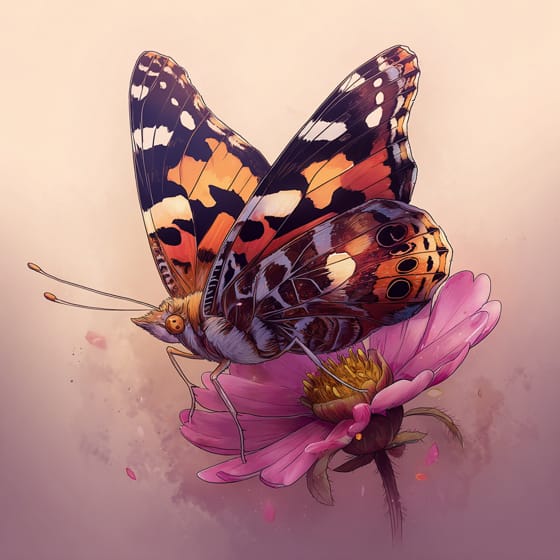
Vanessa cardui
sips nectar from flowers
Aphis gossypii
sometimes infests mint plants
Herbaceous plants are non-woody plants with soft stems that typically die back to the ground at the end of the growing season.
Aromatic plants produce and emit fragrant volatile organic compounds, often for defense or to attract pollinators.
Medicinal plants possess chemical compounds that can be used for therapeutic purposes to treat illnesses or maintain health.
Edible plants are those parts of a plant that are considered safe for human consumption.

Rapid growing plants exhibit accelerated growth rates, quickly increasing in size and biomass within a short period.

This human use trait indicates species from which spices are derived, used for flavoring, preserving food, or as aromatic agents.

This habitat trait indicates species that can coexist with humans in urban and suburban environments, utilizing man-made structures and green spaces.
Danger
1/5 · Very low
Explore with care and ask an adult if you’re unsure what to do.
30-90 cm
60-90 cm
0.5-1 cm
Summer
Yes
None
Perennial
Insect
Zoom in to split clusters and explore where this object has been snapped.
Recent snaps will appear here as new observations are added.




















