





Raspberry Bush
Rubus idaeus
Raspberry Bush is a fantastic plant that gives us juicy raspberries! They are red and very tasty.
Habitat: Raspberry bushes thrive in sunny spots with rich soil, often seen in gardens.
The Raspberry Bush has arching, often thorny stems called canes and distinctive lobed, green leaves with pale undersides. Its small white or pale pink flowers develop into clusters of fuzzy, red, aggregate berries.
Category
PlantsRarity
Common
Danger
1/5 · Very low
Snaps
1
A single raspberry cane lives for just two years, fruiting in its second year before dying back!
Each raspberry isn't one fruit, but a cluster of tiny fruits called drupelets!
Raspberries can be red, black, purple, or even a beautiful golden color!
The word 'raspberry' might come from an old English word for a rough or coarse berry!
Raspberry Bush can send out underground stems called suckers, helping it spread and grow new plants quickly.
Raspberry Bush produces sweet, aggregate berries that attract animals, which then help scatter its seeds far and wide.
Raspberry Bush has canes that fruit in their second year, focusing energy on growth before a big berry harvest.
Apis mellifera
Collects nectar and pollen from flowers.
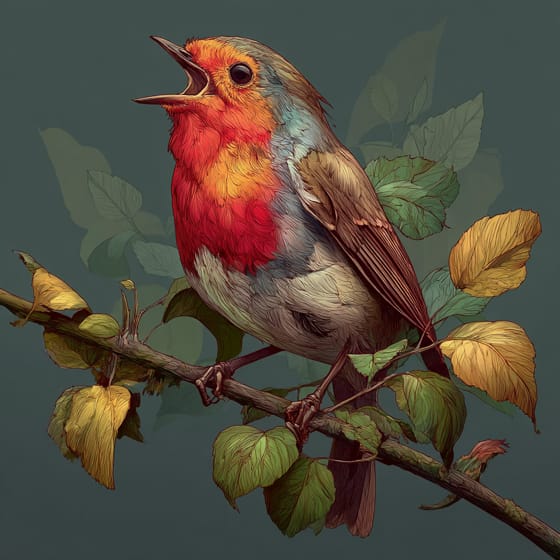
Turdus migratorius
Consumes ripe berries for food.
Ursus americanus
Forages for berries in late summer.
Drosophila suzukii
Larvae infest ripening fruit.
Botrytis cinerea
Causes rot on fruit and leaves.
Deciduous plants periodically shed all their leaves, typically during autumn or dry seasons.
A shrub is a woody plant smaller than a tree, typically with multiple stems branching from or near the ground.
Fruit-bearing plants produce fruits, which are the mature ovaries of flowering plants containing seeds.
Pertaining to plants that have stems covered with sharp, pointed projections for defense.

Edible plants are those parts of a plant that are considered safe for human consumption.

Forest habitats are terrestrial environments dominated by dense tree cover, supporting a high diversity of plant and animal life.
Danger
1/5 · Very low
Explore with care and ask an adult if you’re unsure what to do.
The easiest way to identify Raspberry Bush is to use the Snappit nature identifier app.
100-250 cm
60-150 cm
1-2 cm
Late_spring_to_early_summer
Yes
None
Perennial
Zoom in to split clusters and explore where this object has been snapped.
Take the discovery with you
Snap it with Snappit to identify it, learn what makes it special, and add the discovery to your collection.








.jpg&width=800)



_001.jpg&width=800)



