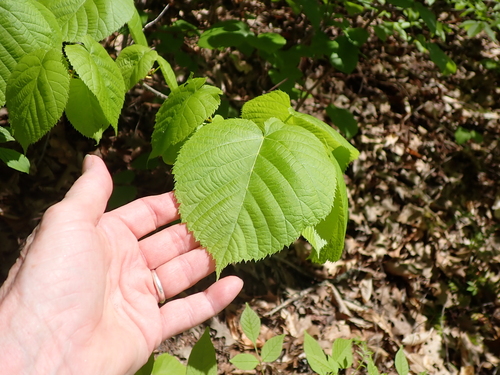
American Linden
Tilia americana
The American Linden tree has heart-shaped leaves and is known for its sweet-smelling flowers. It’s a lovely tree to sit under!
Habitat: Forests and parks
The American Linden has large, heart-shaped, finely toothed leaves that are dark green above and paler below. Its bark is smooth and gray when young, developing deep furrows with age. Clusters of fragrant, pale yellow flowers hang below a leafy bract.
Category
TreesRarity
Common
Danger
1/5 · Very low
Snaps
17
Honey made from Linden flowers is famously light, delicious, and highly prized by beekeepers.
Its extremely soft wood is a favorite for carving, making toys, and even musical instruments!
Native Americans once stripped its inner bark to weave into strong ropes and mats.
You can tap its sap in spring, just like maple trees, to make a sweet, refreshing drink!
American Linden has highly fragrant, nectar-rich flowers that attract many bees, helping it reproduce successfully.
American Linden can tolerate pollution and various soils, helping it survive in city environments.
American Linden has soft, fine-grained wood that helps humans craft furniture and carvings easily.
Apis mellifera
Collects nectar for honey.

Papilio glaucus
Its caterpillars feed on leaves.

Odocoileus virginianus
Browses on young twigs.
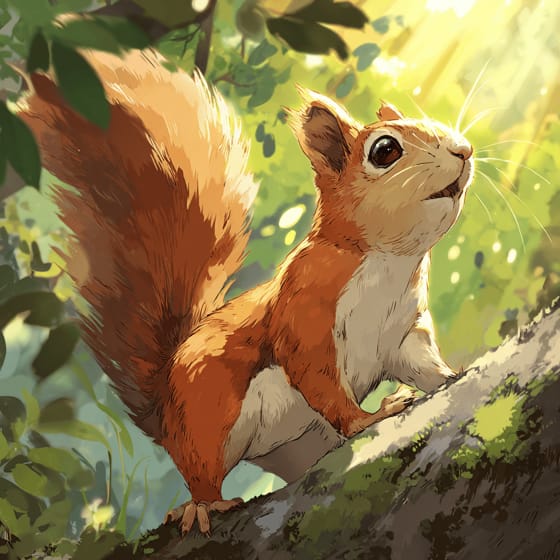
Sciurus carolinensis
Feeds on its small seeds.
Deciduous plants periodically shed all their leaves, typically during autumn or dry seasons.
Shade tolerant plants are adapted to grow and thrive in areas with low light levels, requiring less direct sunlight.
Spring blooming plants produce their flowers during the spring season, often signifying the end of winter and the start of new growth.
Broadleaf trees are angiosperms characterized by flat, wide leaves that are typically shed annually in temperate climates.

Fragrant flowers emit a pleasant aroma, often to attract pollinators or for defense.

Forest habitats are terrestrial environments dominated by dense tree cover, supporting a high diversity of plant and animal life.
Danger
1/5 · Very low
Do not pick or eat anything you find. Some plants and mushrooms can be harmful.
The easiest way to identify American Linden is to use the Snappit nature identifier app.
20-40 m
10-20 m
Yes
50-150 cm
100-200 years
Forests and parks
Small nutlet
Zoom in to split clusters and explore where this object has been snapped.
May 17, 2026
October Mountain State ForestPhoto attribution
no rights reserved
License: CC0 1.0 ↗
Image may be shown cropped inside the card frame.

Pennsylvania, US
You might spot American Robin, Red-Winged Blackbird, and Lesser Celandine.
View guide →

New Jersey, US
You might spot White-Tailed Deer and Eastern Gray Squirrel.
View guide →

Indiana, US
You might spot Eastern Fox Squirrel, Duck, and Canada Goose.
View guide →

Alabama, US
You might spot Cave Salamander and Pink Lady's Slipper.
View guide →

US
You might spot Common Eider, American Herring Gull, and Common Periwinkle.
View guide →

Wisconsin, US
You might spot Eastern Redcedar, Rock Polypody, and Vulture.
View guide →
Take the discovery with you
Snap it with Snappit to identify it, learn what makes it special, and add the discovery to your collection.