

Aphanizomenon Flosaquae
aphanizomenon flosaquae
Aphanizomenon flosaquae, commonly known as AFA, is a species of blue-green algae (cyanobacteria) that inhabits freshwater lakes globally. Renowned for its ability to form dense, grass-like blooms, this ancient organism plays a foundational role in aquatic ecosystems by converting solar energy and atmospheric nitrogen into usable organic compounds. It is famously harvested from Upper Klamath Lake in Oregon as a nutrient-dense dietary supplement, valued for its rich profile of proteins, vitamins, and minerals. Despite its nutritional benefits, wild blooms must be carefully monitored, as some strains can produce cyanotoxins that impact water quality and local wildlife.
Habitat: Typically found floating in eutrophic to mesotrophic freshwater lakes, reservoirs, and slow-moving rivers worldwide.
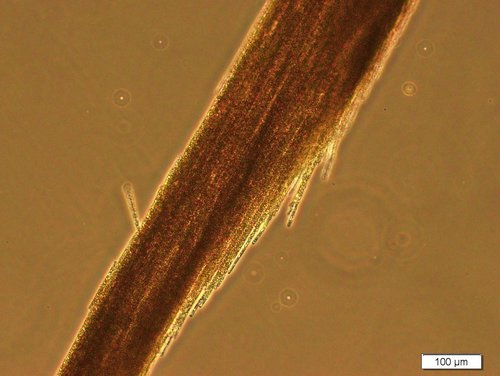
Aphanizomenon flosaquae is best identified in the wild by its distinctive colonies, which resemble tiny, bright green to blue-green grass clippings or pine needles floating in the water. These colonial rafts, or trichomes, typically bundle together parallel to one another, reaching lengths of up to 1 to 2 millimeters. Under a microscope, individual cells are cylindrical and arranged in long, bead-like filaments containing specialized, larger cells called heterocysts and resting spores known as akinetes.
Category
AnimalRarity
Common
Danger
1/5 · Very low
Snaps
Be the first to snap!
Aphanizomenon flosaquae is one of the few species capable of fixing both carbon and nitrogen, making it a critical pioneer species in aquatic environments.
Fossil records of related cyanobacteria date back over 3.5 billion years, making them among the oldest living lineages on Earth.
Its scientific name literally translates to 'invisible flower of the water', referencing its microscopic individual nature and beautiful macroscopic colonies.
Under favorable conditions, massive blooms of AFA can cover entire lakes, turning the water into what looks like a thick green pea soup.
Utilizes specialized cells called heterocysts to convert atmospheric nitrogen into bioavailable ammonium, allowing it to thrive in nitrogen-poor waters.
Uses internal gas vesicles to adjust its depth in the water column, rising to the surface for photosynthesis during the day and sinking for nutrients at night.
Produces thick-walled survival cells called akinetes that sink to the sediment, allowing the species to survive harsh winter conditions and germinate in spring.
Aphanizomenon flosaquae is a photoautotrophic organism that synthesizes its own food using sunlight, carbon dioxide, and water through photosynthesis.
Daphnia pulicaria
Feeds heavily on cyanobacterial cells, controlling bloom density.
Microcystis aeruginosa
Competes for light and nutrients in eutrophic water bodies.
Hypophthalmichthys valitrix
Consumes the floating filaments of AFA as a major food source.
No trait badges are assigned for this object yet.
No aliases listed yet.
Collections for this object will appear here as more themes are added.
Danger
1/5 · Very low
No special safety notes yet.
The easiest way to identify Aphanizomenon Flosaquae is to use the Snappit nature identifier app.
up to 0 cm
Aphanizomenon flosaquae is a photoautotrophic organism that synthesizes its own food using sunlight, carbon dioxide, and water through photosynthesis.
Typically found floating in eutrophic to mesotrophic freshwater lakes, reservoirs, and slow-moving rivers worldwide.
Zoom in to split clusters and explore where this object has been snapped.
Recent snaps will appear here as new observations are added.
Take the discovery with you
Snap it with Snappit to identify it, learn what makes it special, and add the discovery to your collection.