


Northern Cardinal
Upload a bird photo for a likely match, then check its bill, wings, markings and shape. Meet it in Snappit's kid-friendly field guide.
Identify and collect animals with your phone.


Drag a photo here, or choose one below.
JPG, PNG or WebP · Up to 10 MB

Photograph the bird from the side if you can, with its head, bill, wings and tail in the frame. A sharp distant bird beats a heavily zoomed blur. Watch nests from a distance.




Compare the suggested name with what you see in your photo. Then open its field-guide entry for fun facts and look-alikes to rule out.

Browse the field guide here, or save your finds as collectible cards in the Snappit app. Build collections and learn something new together.
Real bird cards from the Snappit field guide, with fun facts about who's singing in your backyard. Tap one to look closer.
The bird has flown off, and your best photo shows a dark shape on a branch. Start with its outline: the bill, tail and posture are often clear even when the colors aren't. In sharper photos, add wing markings and body proportions, then compare the options with birds found in your area.

Start with the bill, because it shapes your whole impression of the bird. A short, deep, triangular bill often points to seed eaters, while a slim, pointed bill fits many insect eaters. That narrows the field, but bill shape alone won't name a species.

Wing bars are pale stripes across the folded wing; some birds have one, two or none. A long, forked or short square tail, or white outer tail feathers, can matter just as much. Look at the whole back half of the bird, not only the face.

Notice how the bird holds itself. Some sit upright on open perches, others hunch on a branch, creep along bark or balance horizontally. Size is most useful compared with something in the same photo, like a feeder port, berry cluster or railing, rather than guessed from memory.

The background is a clue, even a plain one. A bird at a marsh edge, on a forest trunk, at a suburban feeder or in an open field comes from a different shortlist. Season helps too: many birds change plumage or migrate, so compare what you see with a regional guide.
Compare real field-guide examples: Northern Cardinal · Bald Eagle · Blue Jay

A finch-like bill is thick from base to tip, giving the face a chunky, seed-cracking look. A warbler-like bill is thin, pointed and longer than it is deep. It's a group clue, not a hard rule about diet or an automatic species match.

Young birds may show softer feather edges, a shorter tail, fleshy gape flanges at the corners of the bill or a patchier pattern than nearby adults. Some are duller than adults, but not all juveniles are simply brown. Look at structure and fluffy feather texture, not just color.

When bright sky washes out the colors, the outline is more reliable than the faded tones. Check head size, tail length, bill curve, and whether the body looks compact or long. A clean silhouette often beats a misleading hint of yellow or gray.

With a small brown bird in the yard, don't zoom straight to the streaks and shades. First ask three quick shape questions: Is the bill thick or thin? Is the tail long or short? Does the bird look round-headed or flat-crowned, upright or crouched?
Then add the smaller marks: wing bars, an eye line, streaks on the chest, or pale edges on the tail. At a feeder, notice how it perches and how its proportions compare with the feeder hardware. These details sort similar backyard birds faster than color names do.

A spring adult can look surprisingly different from the same species in late fall, and a fresh fledgling may look softer, scruffier or shorter-tailed than either. Fresh feathers often have pale tips that blur the pattern, while worn feathers can make markings look bolder than you expect.
Flight photos add another twist, because spread wings change proportions and motion blur erases fine detail. Focus on big shapes: pointed or rounded wings, a long or short tail, and whether the bird looks broad-chested or slender. Those clues survive blur much better than tiny face markings.
Choose your clearest photo, even if the bird looks smaller. A sharp outline of the bill, tail and posture is more useful than a bigger but fuzzy crop.

If you took several shots, pick the one where the folded wing and tail are both visible. Wing bars and tail shape are easiest to judge on a perched bird.

Go easy on brightness and color edits before uploading. Heavy sharpening and boosted saturation can invent markings the bird never had.
Start with shape, not shade. Check bill thickness, tail length, posture and whether it has wing bars before worrying about the exact brown. Many backyard birds overlap in color but separate well by structure. A feeder, fence rail or leaf in the shot also gives you a handy size comparison.
It helps, but it won't decide the species. Lots of birds visit feeders and also forage elsewhere. Treat the feeder as one clue, then look at bill shape, posture, wing pattern and relative size. Those matter more than the fact that it landed on seed.
Look for a softer, unfinished look: fluffy feather edges, a shorter-looking tail, a patchy pattern, or fleshy yellow corners at the base of the bill in very young birds. Compare its overall shape with adults of the same type. Juveniles are often duller, but they aren't all plain brown.
Many birds molt into a different set of feathers through the year, and feather wear alone can change how bold the pattern looks. Winter birds may look plainer or differently marked than spring adults. Use the season as a clue and compare with a guide for your region.
Sometimes, if it still shows wing shape, tail length and body proportions. Motion blur usually wipes out fine face marks, so don't hunt for tiny details. A swallow-like silhouette, a broad-winged hawk shape or a long-legged wader outline still tells you a lot.
Not with Snappit, which identifies birds from photos, not sounds. For songs, pair it with a dedicated sound-ID app such as Merlin. If you also saw the bird, pick your clearest photo and use the bill, shape, wing pattern and posture.
Not always. A stout bill points toward certain groups, like finches, sparrows, grosbeaks and cardinals, but it's a group clue, not a guarantee. Look at the whole bird: head shape, wing bars, tail, proportions and habitat.
Yes. Snappit – Identify Anything for iPhone and Android identifies birds, bugs, plants and more from a photo, with short facts written for young readers. Each find becomes a collectible card with a rarity tier, and park and zoo guides have checklists of birds to spot. No ads or chat, a private family collection, free to download with free daily IDs and an optional subscription for unlimited snaps.
The Snappit appAges 4+ · No ads
Take what you learn here into Snappit and turn your next walk or day out into a shared adventure.
Save your discoveries as collectible cards in the app, with rarity tiers and themed collections to explore.
Short, friendly facts give young readers something to notice, ask about, and remember. The app is made for ages 4 and up, without ads.
Discover new collection themes, try the daily discovery, and earn badges as you keep exploring together.


Open a place guide to see its species checklist and plan what to look for on your next visit.
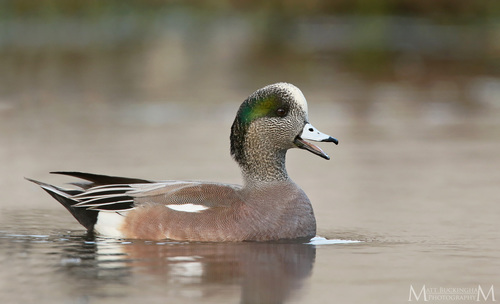
Washington, US
You might spot American Wigeon and Common Goldeneye.
View guide →
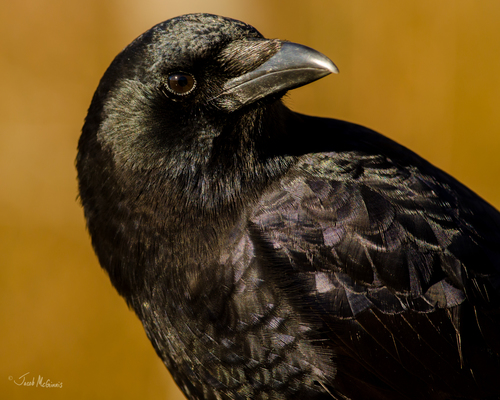
California, US
You might spot American Crow and Yellow-Rumped Warbler.
View guide →
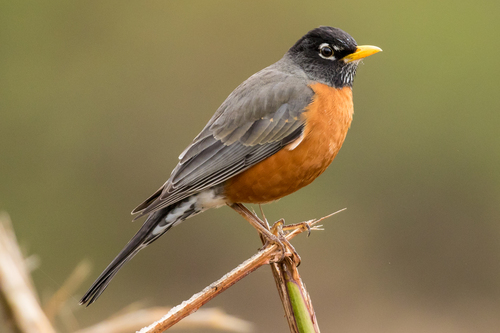
Illinois, US
You might spot American Robin and Northern Mockingbird.
View guide →