






Monarch Butterfly
Upload a clear photo of the bug for a likely match, then check its legs, wings and antennae. Meet it in Snappit's kid-friendly field guide.
Identify and collect animals with your phone.


Drag a photo here, or choose one below.
JPG, PNG or WebP · Up to 10 MB

Use bright natural light and focus on the insect, not the leaf under it. A top view with the antennae and legs showing is especially useful. Don't pick up an unfamiliar insect to get a closer shot.



Compare the suggested name with what you see in your photo. Then open its field-guide entry for fun facts and look-alikes to rule out.

Browse the field guide here, or save your finds as collectible cards in the Snappit app. Build collections and learn something new together.
Real insect cards from the Snappit field guide, with bite-size facts about the beetles, bees and butterflies in your yard. Tap one to look closer.
A bug on the windowsill might be an adult insect, a larva or something with more than six legs. Before comparing colors, look for the head, antennae, wings and body sections. One sharp view of the creature beats a wide shot of the room or plant where you found it.

Adult insects have six legs and three main body sections: head, thorax and abdomen. That first check separates most insects from spiders, which have eight legs. Leg counts can mislead, though, if part of the animal is hidden or damaged, or if you're looking at a larva instead of an adult.

Wing structure is one of the quickest clues. Beetles have hard front wing covers that usually meet in a straight line down the back. Flies have one working pair of wings, while bees and wasps have two pairs that can overlap in photos. Even a half-open wing helps.

Antennae vary a lot and often separate similar insects: long, threadlike ones suggest a different group than short, stubby ones. Check the face too. True bugs have a strawlike beak tucked under the head, while beetles have chewing mouthparts that don't give that profile.

Real size rules out a lot, so include a familiar object for scale or photograph the insect on a window frame or leaf. Location matters too: a tiny insect on houseplant soil points to different candidates than one on a rosebud or porch light.
Compare real field-guide examples: Monarch Butterfly · Bee · Eastern Tiger Swallowtail

People call both of them bugs, but they look different. Beetles usually have hard wing covers that meet neatly down the middle. True bugs often show an overlapping X-like pattern on the back and feed with a piercing beak. Shield bugs and leaf-footed bugs fit that second pattern.

A chunky fly can look very bee-like at first glance, so check the wings and head. Flies have one working pair of wings and often huge eyes that fill much of the head. Bees usually have longer antennae, two pairs of wings and a different body texture, but fuzziness alone isn't a safe rule.

If you can see eight legs, you're probably not looking at an insect. Spiders also have two main body sections instead of three. The catch: small photos, missing legs and odd angles make counting harder than it sounds, and some insect larvae look nothing like the familiar six-legged adult.

For a tiny black bug indoors, start with shape before color. Is it oval and beetle-like, slender like a gnat, ant-shaped with a narrow waist, or soft-bodied with pale legs? Very small indoor insects are usually identified by their proportions more than their markings. A top view that shows the outline, plus a side view if you have one to compare, helps far more than a distant shot of a dark speck on the wall.
Flying insects at a window are usually just drawn to the light or trying to get out, so the window itself doesn't identify them. What helps is whether the insect has one pair of wings or two, whether the antennae are obvious, and how it holds its body at rest. A fungus gnat, drain fly, small wasp, winged ant or house fly can all turn up there, but their wings, legs and body shape look clearly different in a sharp photo.

Larvae can look nothing like the adults they turn into. Caterpillars have soft gripping stubs called prolegs on the belly, plus three pairs of true legs near the front. Fly larvae may have no visible legs at all. Beetle grubs are often thick, pale and C-shaped. Ladybug larvae are long, bumpy and active, nothing like the round adults. Empty shed skins, like a cicada's on a tree trunk, keep the young insect's shape too. So if your find is wormlike, don't force the six-leg rule meant for adults.
A photo of feeding damage can still help, but it usually narrows the field rather than naming one insect. Chewed holes, leaf mines, webbing or frass (insect droppings) point to different kinds of feeders. What a picture can't do is diagnose a bite on skin or confirm an infestation from damage alone. If you find the insect later, upload the clearest photo of the insect itself for a much stronger result.
Aim for one sharp shot of the full body, not just the wings or tail end. Legs, antennae and the outline are often the deciding details.

For a tiny insect, shoot it next to a familiar surface or object. Keep fingers and shadows off the legs, wing edges and head.

You can upload one photo, so choose your clearest angle. A close side or top view usually beats a distant shot of the whole scene.
Get the bug as big and sharp in the frame as you can. With tiny black insects, body shape, leg position and antenna length tell you more than color. If it's on a wall or windowsill, photograph it up close on that surface for scale instead of shooting from across the room.
Show the insect and how it sits on the plant. The most useful garden photos show the head, legs, wing shape and body outline. Chewed leaves or damaged petals can back up a guess, but the insect itself carries the strongest clues.
Check the number of wings and the head shape. Flies have one working pair of wings, while bees and wasps have two pairs, though they can overlap and look like one. Being at the window doesn't tell you much, so a crisp side or top photo matters more than where it landed.
Often, yes, but larvae need different clues. Forget the adult six-leg rule and look at whether the body is smooth or hairy, whether there's a distinct hard head, and whether soft prolegs run along the belly. A curled grub and a caterpillar are both larvae, but they're built very differently.
No. A photo of a bite or rash can't identify the insect, and this tool doesn't diagnose bites. Lots of things leave similar marks. A photo of the insect itself may tell you what it is, but not whether it caused the reaction, so check with a doctor if a bite worries you.
Usually not from damage alone. Holes, leaf mines, webbing and frass (insect droppings) hint at the kind of feeder, but different insects leave similar signs. The photo tool works best with a visible insect, so snap the culprit if you catch it in the act.
Yes. Snappit – Identify Anything for iPhone and Android identifies insects, spiders, plants, birds and more from a photo, with short facts written for young readers. Every beetle or butterfly becomes a collectible card with a rarity tier, and kids can earn badges and take on a daily discovery challenge. No ads or chat, a private family collection, free to download with free daily IDs and an optional subscription for unlimited snaps.
No, choose one clear JPG, PNG or WebP photo up to 10MB. Keep the insect big enough to show its body, legs and antennae. There's no text or location field and no multi-photo upload, so compare your other shots yourself and upload the best one.
The Snappit appAges 4+ · No ads
Take what you learn here into Snappit and turn your next walk or day out into a shared adventure.
Save your discoveries as collectible cards in the app, with rarity tiers and themed collections to explore.
Short, friendly facts give young readers something to notice, ask about, and remember. The app is made for ages 4 and up, without ads.
Discover new collection themes, try the daily discovery, and earn badges as you keep exploring together.


Open a place guide to see its species checklist and plan what to look for on your next visit.
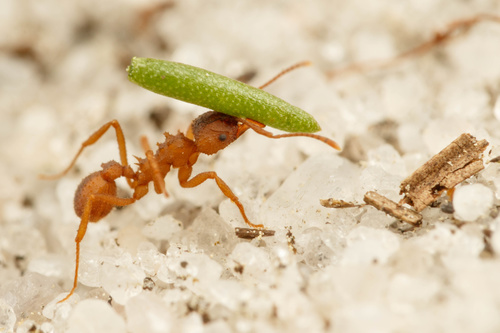
New York, US
You might spot Northern Fungus-Farming Ant and Bronzed Tiger Beetle.
View guide →
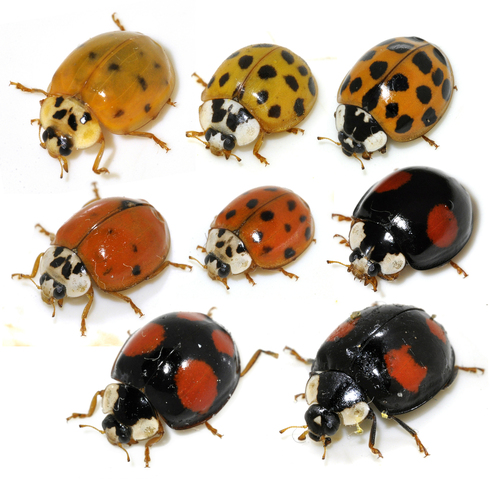
Texas, US
You might spot Asian Lady Beetle, American Bumble Bee, and Bee.
View guide →
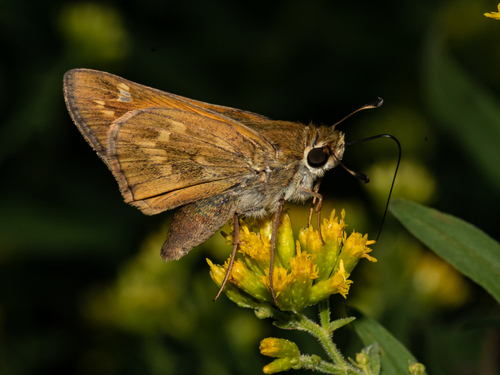
Virginia, US
You might spot Huron Skipper, Japanese Beetle, and Peck's Skipper.
View guide →











