Raccoon
Snap or upload an animal photo to get a likely name and the features to check. Then open its page in the Snappit field guide and read the fun facts together.
Identify and collect animals with your phone.


Drag a photo here, or choose one below.
JPG, PNG or WebP · Up to 10 MB

Keep the whole animal in frame, head and tail included if you can. Zoom in from a safe distance, and avoid shooting through reflective glass or snapping several species tangled together.





Compare the suggested name with what you see in your photo. Then open its field-guide entry for fun facts and look-alikes to rule out.

Browse the field guide here, or save your finds as collectible cards in the Snappit app. Build collections and learn something new together.
From the Snappit field guide: backyard visitors, park regulars and zoo favorites your kid might snap next. Open a card for a closer look.
A visitor at the feeder, a shape on the trail camera, an unfamiliar animal across the water: start with the broad group. Fur, feathers, scales, legs and tails narrow things down. Then compare only what your photo shows clearly, without guessing at details lost to darkness or distance.

Body covering is the fastest first clue. Feathers mean a bird, fur or hair points to a mammal, a hard shell suggests a turtle, and smooth, damp-looking skin fits many amphibians. Scales suggest a reptile or fish, but muddy water or distance can blur that texture.

Count the visible legs if you can, then note where they sit on the body. A long body on short, sprawling legs reads very differently from a tall animal on hoofed legs. Wings, flippers, webbed feet or a hopping posture can shift the ID toward a bird, aquatic mammal, frog or something else.

The head carries group-level clues: a beak, a broad muzzle, a whiskered snout, external ears or a blunt frog face. The tail matters too. A bushy tail, a flat beaver tail, a ringed tail or no visible tail at all can narrow the field fast.

The background backs up what you see on the animal. A creature clinging to bark, floating low in water, hanging under an eave or standing by a pet bowl gives you scale and habitat hints. Context helps most when the body is half hidden or the photo is grainy.
Compare real field-guide examples: Raccoon · Monarch Butterfly · Northern Cardinal

Fur points to a mammal; clearly visible scales point to a reptile. On land animals, external ears and leg posture add clues: a cat holds its legs under its body, while a lizard's sprawl out to the sides. There are exceptions, especially in the water, so check several features together.

Adult frogs and toads have a compact, tailless body, often with big back legs. Most lizards have a longer outline, a long tail and visibly scaly skin. A hidden or lost tail can trip you up, so check the body, head and legs together.

A footprint photo shows animal sign, not the animal, so different clues matter. Toe count, claw marks, heel pad shape and stride spacing help; fur color and ear shape obviously can't. A crisp print in soft mud usually tells you more than a dried, broken cast.

When something shows up by the fence, feeder, compost bin or pond, start with size and posture, not color. A rabbit-sized body tucked low to the ground points to very different candidates than a cat-sized animal on long legs or a thick-bodied creature crawling with its belly low.
A photo can sometimes hint at wild versus domestic, especially when the build is clearly dog-like, cat-like or livestock-like. Coat color on its own is weak evidence, though. Feral cats, escaped pets and breeds that resemble wild relatives overlap a lot, so look first at build, ears, tail and feet.

Night images lose color and fine texture, but the outline can still help. Check leg length, how high the body sits off the ground, and the shape of the tail and head. A dark silhouette may only support a group, like deer, frog, owl or lizard, rather than a single species.
If several animals appear together, pick the clearest one and upload a single image where it's easy to see. A partial photo can still work if it shows a distinctive head, tail, shell, hoof or footprint clearly enough to rule out broad possibilities.
Fill as much of the frame as you can with the animal while keeping its whole outline in view. Feet, tail and head shape matter more than the scenery.

For night or trail camera shots, pick the clearest single frame with the least blur. Even black-and-white images work when the body shape is clean.

If you have several views, upload the clearest one. A side view usually shows leg placement, tail length and overall build better than a head-on shot.
Yes, often to a useful level. Most backyard photos show enough to sort an animal into a broad group first. Once you know it's a rabbit, squirrel, turtle, frog or something similar, a narrower guide or regional resource helps you compare likely species.
Sometimes. A cropped image works if the visible part carries strong clues, like a beak, antler, shell, striped tail, hoof or paw. It's much harder when the photo shows only fur, a blurry flank, or a dark shape with no clean edges.
Yes, if the outline is readable. Infrared and low-light images usually lose color, so shape does the work: body height, tail length, ear position, and whether the animal stands, hops, slithers or clings. Heavy glare, motion blur or leaves in front of the animal make it harder.
Sometimes, but looks only go so far. A collared dog, a dairy cow or a typical house cat is easy. Beyond that, wild and domestic animals overlap, especially feral cats, mixed-breed dogs, pigs, goats and rabbits. A photo also can't tell you how an animal will behave or whether it's safe to approach.
Sometimes. A footprint can narrow it down when the toe count, claw marks and pad shape show clearly. Expect a broader result than with a photo of the animal, because mud, snow and soft ground distort prints. Center the sharpest single track, not a trampled patch.
Pick the one you want identified and use the shot where it's clearest. Snappit looks at one photo at a time, so a crowded frame can split its attention. Crop the photo first, or choose the shot where your animal stands apart.
Yes. Snappit for iPhone and Android identifies mammals, birds, reptiles, fish, insects and more from a photo, with facts written for young readers. Each find becomes a collectible card with a rarity tier, and park and zoo guides list what you can spot there. No ads or chat; free to download with free daily IDs, plus an optional subscription for unlimited snaps.
Up to a point. A silhouette can show whether an animal is long-bodied, round-backed, tailed, hoofed, winged or crouched like a frog. It usually won't show the fine markings, skin texture or small features needed to separate similar species, so expect a group like deer or owl rather than an exact species.
The Snappit appAges 4+ · No ads
Take what you learn here into Snappit and turn your next walk or day out into a shared adventure.
Save your discoveries as collectible cards in the app, with rarity tiers and themed collections to explore.
Short, friendly facts give young readers something to notice, ask about, and remember. The app is made for ages 4 and up, without ads.
Discover new collection themes, try the daily discovery, and earn badges as you keep exploring together.


Open a place guide to see its species checklist and plan what to look for on your next visit.
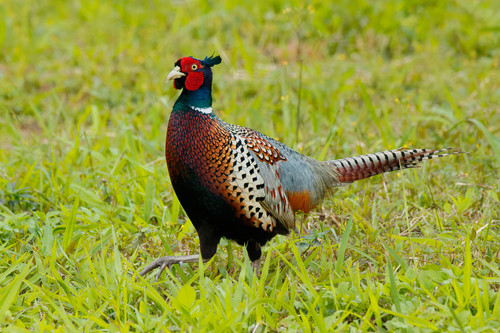
England, UK
You might spot Ring-Necked Pheasant, Goose, and Eurasian Coot.
View guide →

Saxony, DE
You might spot Red Panda, Yak, and Domestic Bactrian Camel.
View guide →

Bavaria, DE
You might spot Polar Bear, Giraffes, and Asian Elephant.
View guide →