


California poppy
Snap a houseplant, garden volunteer or wild plant for a likely match, then check its leaves, stems, flowers and fruit. Meet it in Snappit's kid-friendly field guide.

Identify and collect plants and mushrooms with your phone.


Drag a photo here, or choose one below.
JPG, PNG or WebP · Up to 10 MB

Include a sharp leaf and the spot where it joins the stem. If there are flowers, get them in the same frame. Keep the plant in focus and don't let surrounding greenery fill the picture.





Compare the suggested name with what you see in your photo. Then open its field-guide entry for fun facts and look-alikes to rule out.

Browse the field guide here, or save your finds as collectible cards in the Snappit app. Build collections and learn something new together.
Real plant cards from the Snappit field guide, from windowsill favorites to wildflowers by the path. Tap one to look closer.
An unlabeled houseplant and a mystery seedling in the flower bed start with the same question: what can you actually see? Look first where a leaf joins the stem, then step back to the whole plant. Leaf arrangement, growth habit, flowers and fruit tell you much more together than the outline of one leaf.

Check how the leaves sit on the stem. Opposite leaves come in pairs at the same level, alternate leaves are staggered one by one, and whorled leaves circle the stem in a ring of three or more. This pattern usually holds even when leaf size changes, which makes it one of the steadiest clues in a photo.

A simple leaf has one blade, even if it's lobed or deeply cut. A compound leaf is split into separate leaflets. The key is where the whole leaf joins the stem: in a compound leaf, all the leaflets share one leaf stalk instead of attaching to the stem separately.

Notice whether the plant grows upright, trails, climbs, forms a shrub or tree, or sits in a low rosette with its leaves bunched at the base. Thick succulent stems, woody twigs, hollow stalks and twining vines each narrow the field. Habit matters most when there are no flowers, as with many houseplants and seedlings.

Flowers and fruit separate look-alikes fast, but old seed heads, berries, pods, cones or spore structures help too. Color alone is a weak clue; shape and placement usually tell you more. If it's blooming, show how the flowers cluster on the plant, not just a close-up of one petal.
Compare real field-guide examples: California poppy · Red Maple · Mountain Laurel

A maple-like leaf can have deep lobes and still be one continuous blade. A compound leaf has separate leaflets on a shared stalk. Look for a bud where the whole stalk meets the stem: individual leaflets don't have buds at their bases.

Many ferns have fronds divided again and again into smaller segments, and mature fronds may carry spore dots or lines underneath instead of flowers. But some flowering plants have finely cut leaves too, so a feathery look isn't enough. Check the overall frond structure and any reproductive parts.

Seedlings often start with seed leaves, called cotyledons, that look nothing like the true leaves that follow. Young plants can also be hairier, rounder or less divided than adults. If your mystery plant is tiny, trust shape, texture and leaf arrangement more than fine species-level details.

Focus on leaf shape alone and you'll miss the features that usually sort plants fastest. Try to include the point where the leaf meets the stem, because it shows the arrangement and separates simple leaves from compound ones. Heart-shaped or lobed leaves turn up in plenty of unrelated plants; the way they attach often narrows things down much more.
For leafy houseplants without flowers, stem texture and growth habit become especially important. A cane-like stem, a climbing vine with nodes, a tight rosette at the base or fleshy succulent growth each point in a different direction. Variegation, the light and dark patterning on some leaves, helps too, but it's less reliable than structure because light levels and cultivars can change it.

A weed isn't a botanical group. It's simply a plant growing where it isn't wanted, so the same species can be a prized native wildflower in one bed and a weed in the next. When a volunteer pops up, figure out what it is first, then decide whether it stays based on how it spreads, how big it gets and what you want from that spot.
Named nursery cultivars are a different puzzle. Two cultivars of the same species may have nearly identical leaves but differ in flower form, fruit color, growth rate or mature size, which is why a cultivar often can't be pinned down from a leaf. Seasons matter too: spring growth can be red or soft, summer leaves fuller, and fall foliage a different color entirely.
Include the node, where the leaf or leaf stalk attaches. That one detail often reveals opposite, alternate or compound leaves better than a close-up of the blade.

If you can, back up enough to show whether the plant is upright, vining, shrubby or a low rosette. Pick the clearest single photo rather than several partial ones.

A bloom or pod at the edge of the frame can be more useful than a shot filled with petals. Keep both the flowers and the leaf pattern visible.
Often, yes. Many houseplants are recognizable from leaf arrangement, stem type, growth habit, leaf texture and details like sheathing leaf bases or aerial roots. Without flowers, though, the answer may stop at the genus, especially for related cultivated plants with very similar leaves.
Not automatically. A weed is just a plant growing where it isn't wanted, not a formal category. Your volunteer could be a self-sown ornamental, a native wildflower or a common lawn plant. Identifying it helps you decide whether to keep it, move it or pull it.
Sometimes, especially if the photo shows the whole leaf, where it attaches and part of the stem. A lone leaf is less helpful for look-alikes, seedlings and cultivars. If you're picking one upload, choose the clearest image that shows both leaf shape and how the plant grows.
Because what's visible fits a group more reliably than one exact species. That's common with seedlings, dormant plants, leaf-only photos and plants with many similar cultivated forms. A group result still helps, since it tells you what to compare next in a regional guide.
Sometimes, but usually not from leaves alone. Many cultivars have nearly identical foliage and differ in flower form, fruit, habit or nursery history. A photo may name the species or general type while leaving the exact cultivar open.
Leaf color, size, thickness and even shape shift with age and season. New leaves may come out bronze or red, summer leaves may be bigger, and fall leaves change color or drop. Lean on structure, like leaf arrangement and growth habit, more than seasonal color.
Flip a leaf over. Ferns have fronds, and mature ones often carry spore dots or lines underneath instead of flowers or seed pods. Some flowering plants have a ferny look too, so check the overall frond structure and any flowers, seeds or spores you can see.
Yes. Snappit – Identify Anything for iPhone and Android identifies plants, flowers, trees, bugs and more from a photo, with short facts written for young readers and a field guide with 3,600+ plants. Every find becomes a collectible card with a rarity tier in a private family collection, and park guides have checklists to spot. No ads or chat, free to download with free daily IDs, plus an optional subscription for unlimited snaps.
The Snappit appAges 4+ · No ads
Take what you learn here into Snappit and turn your next walk or day out into a shared adventure.
Save your discoveries as collectible cards in the app, with rarity tiers and themed collections to explore.
Short, friendly facts give young readers something to notice, ask about, and remember. The app is made for ages 4 and up, without ads.
Discover new collection themes, try the daily discovery, and earn badges as you keep exploring together.


Open a place guide to see its species checklist and plan what to look for on your next visit.
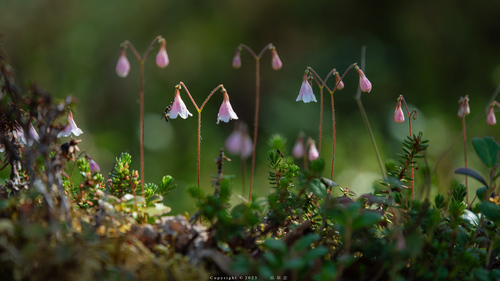
British Columbia, CA
You might spot Twinflower and Western Rattlesnake Plantain.
View guide →

District of Columbia, US
You might spot American Beech, Christmas Fern, and Linden Viburnum.
View guide →

South Dakota, US
You might spot Brittle Pricklypear and Eastern Redcedar.
View guide →