




Argentinosaurus
Argentinosaurus huinculensis
Argentinosaurus was a prehistoric dinosaur known for its distinctive features. Scientists study its bones to learn about how dinosaurs lived.
Habitat: Mesozoic forests and floodplains
The Argentinosaurus has an immensely long neck and tail, supported by four colossal, pillar-like legs. Its body is estimated to have been earthy browns and greens, camouflaging it among dense prehistoric vegetation, with scale patterns that may have varied across its vast hide.
Category
AncientRarity
Rare
Danger
1/5 · Very low
Snaps
Be the first to snap!
Each spine bone could be over 1.5 meters (5 feet) tall!
It was the heaviest land animal to ever walk Earth!
Its leg bone alone was taller than an adult human!
Some scientists think it laid clutches of up to 40 eggs!
Argentinosaurus can browse high tree canopies because of its incredibly long neck that helps them reach untouched leaves.
Argentinosaurus has an enormous body that helps protect them from large predators, making them a formidable challenge.
Argentinosaurus has four column-like legs that help support its immense weight, allowing it to move its massive body.
This gigantic plant-eater munched on vast quantities of leaves, ferns, and conifers every single day.
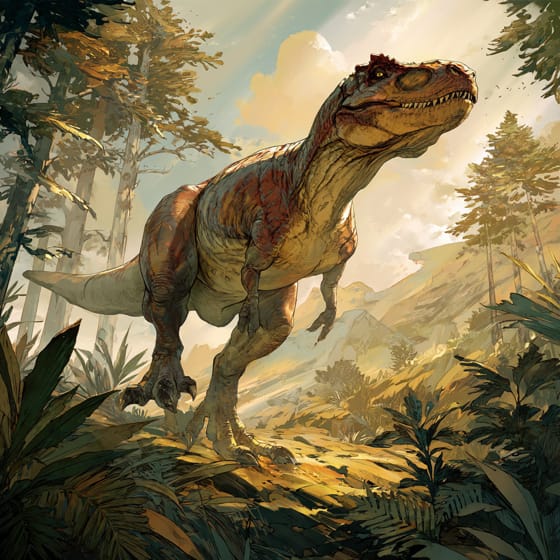
Giganotosaurus carolinii
A potential predator, though difficult to hunt.
Araucaria mirabilis
Fed on its leaves and branches.
Podozamites kilianii
Browsed these ancient cypress relatives.
Ancient refers to organisms, objects, or geological formations that have existed for an extremely long period.
An artifact is an object made or modified by human culture, typically of historical or archaeological interest.
A fossil is the preserved remains or traces of an ancient organism embedded in rock or other geological deposits.
No aliases listed yet.
Danger
1/5 · Very low
While extremely dangerous in their time, this creature is now extinct.
The easiest way to identify Argentinosaurus is to use the Snappit nature identifier app.
30-39 m
60000-100000 kg
This gigantic plant-eater munched on vast quantities of leaves, ferns, and conifers every single day.
Mesozoic forests and floodplains
Grazing
Late Cretaceous
66
Zoom in to split clusters and explore where this object has been snapped.
Recent snaps will appear here as new observations are added.
Take the discovery with you
Snap it with Snappit to identify it, learn what makes it special, and add the discovery to your collection.