




Atlantic White Cedar
Chamaecyparis thyoides
The Atlantic White Cedar is a beautiful tree that grows near water. It has soft, thin leaves and can live for hundreds of years!
Habitat: Wetlands and swamps
The Atlantic White Cedar is an evergreen tree with dense, scale-like leaves that are often bluish-green. Its slender, upright trunk is covered in distinctive reddish-brown, peeling bark, creating a shaggy texture. The overall crown is narrow and conical, giving it a tall, elegant appearance.
Category
TreesRarity
Rare
Danger
1/5 · Very low
Snaps
3
Ancient cedar logs preserved in bogs have been found to be over 5,000 years old!
Its wood smells wonderfully spicy and is used for shingles and even pencils!
Many rare insects and plants can only live in the unique habitats these trees create.
Native Americans used its strong, flexible bark to make ropes, baskets, and even canoes.
Atlantic White Cedar can thrive in acidic, waterlogged soils thanks to special roots that handle low oxygen, helping it survive where other trees can't.
Atlantic White Cedar has incredibly rot-resistant wood that helps it endure damp environments for centuries, making it a natural survivor.
Atlantic White Cedar can grow in dense, single-species stands that shape entire wetland ecosystems, creating unique habitats for many creatures.

Odocoileus virginianus
Browses on young cedar foliage
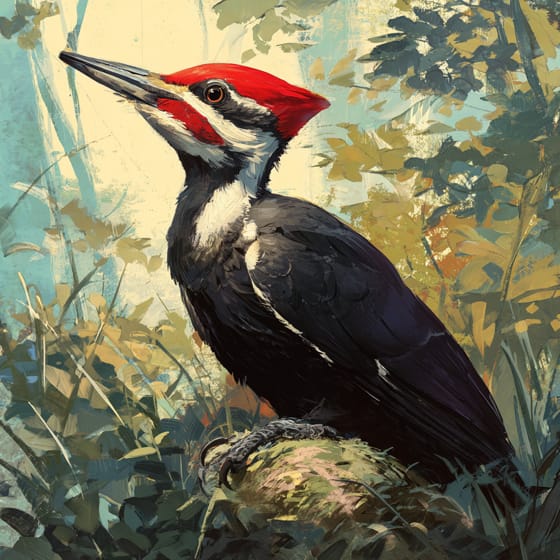
Dryocopus pileatus
Nests in dead snags and cavities
Ursus americanus
Uses dense stands for cover

Sarracenia purpurea
Thrives in same acidic bog habitat
Coniferous plants are typically evergreen, bearing needles or scales and reproductive cones.
Evergreen plants retain their foliage throughout the year, never shedding all their leaves at once.
Timber refers to wood that has been prepared for use in building and carpentry.
This trait characterizes organisms with an exceptionally long lifespan compared to others of their kind.

This habitat trait identifies species found in wetlands, which are areas of land saturated with water, either permanently or seasonally, including marshes, swamps, and bogs.
Danger
1/5 · Very low
Do not pick or eat anything you find. Some plants and mushrooms can be harmful.
The easiest way to identify Atlantic White Cedar is to use the Snappit nature identifier app.
18-30 m
3-6 m
No
30-150 cm
100-600 years
Wetlands and swamps
Small woody cones
Zoom in to split clusters and explore where this object has been snapped.
Take the discovery with you
Snap it with Snappit to identify it, learn what makes it special, and add the discovery to your collection.















