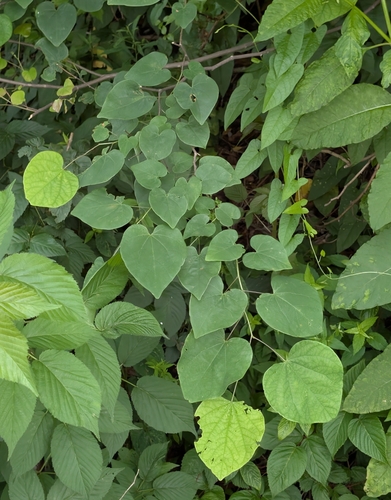
Redbud Tree
Cercis canadensis
The Redbud Tree is known for its bright pink flowers that bloom in spring. It's a cheerful sight in gardens!
Habitat: Gardens and parks
The Redbud Tree has striking clusters of vibrant pink-purple flowers that bloom directly from its bare branches and trunk in early spring, before its distinctive heart-shaped leaves appear. Its leaves emerge reddish, maturing to green, and it produces flat, brown seed pods.
Category
TreesRarity
Common
Danger
1/5 · Very low
Snaps
99
Early colonists boiled Redbud bark to make a powerful dye for wool, giving it a vibrant reddish color!
Its stunning pink-purple flowers amazingly sprout right from the bark of its trunk and branches!
Redbud flowers were traditionally eaten by Native Americans for their tangy, citrus-like taste!
The heart-shaped leaves of the Redbud begin reddish-purple, then magically turn green for summer!
Redbud Tree can grow flowers directly from its old wood (cauliflory), which helps it attract early spring pollinators.
Redbud Tree has early-blooming, nectar-rich flowers that provide a vital food source for bees when other plants are dormant.
Redbud Tree has tangy, edible flowers that can be safely eaten, adding unique flavor to human and animal diets.
Apis mellifera
They collect nectar from Redbud flowers in early spring.
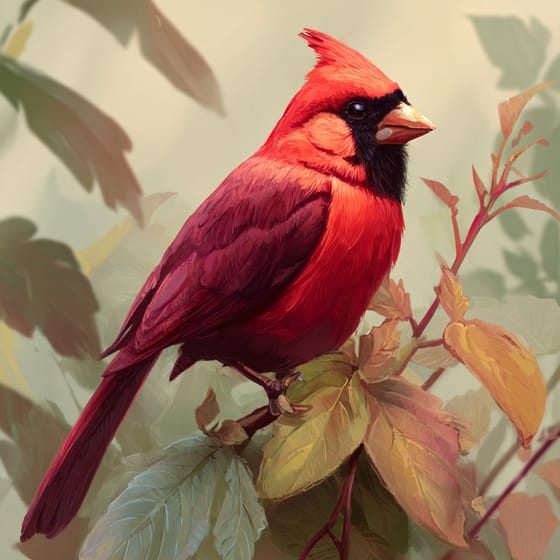
Cardinalis cardinalis
They eat the seeds found within Redbud's flat pods.
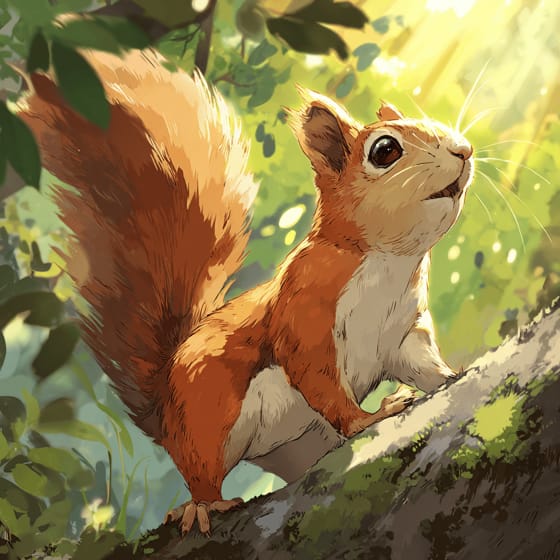
Sciurus carolinensis
Squirrels also feast on the protein-rich seeds from the pods.
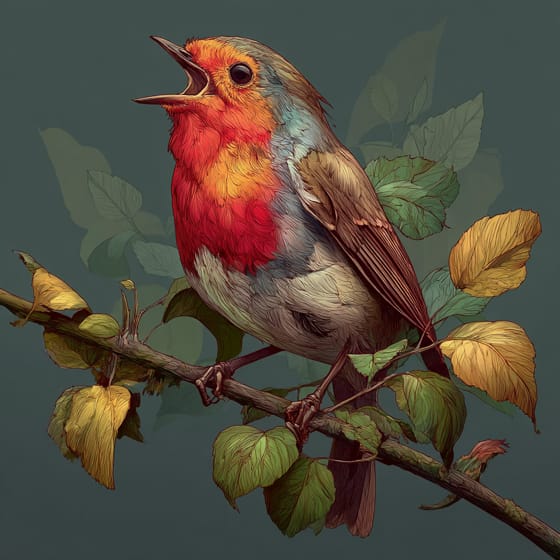
Turdus migratorius
Robins build their nests in the branches, safe from predators.
Deciduous plants periodically shed all their leaves, typically during autumn or dry seasons.
Ornamental plants are cultivated primarily for their aesthetic appeal, enhancing landscapes and gardens with their attractive foliage, flowers, or form.
Spring blooming plants produce their flowers during the spring season, often signifying the end of winter and the start of new growth.
Broadleaf trees are angiosperms characterized by flat, wide leaves that are typically shed annually in temperate climates.

Fragrant flowers emit a pleasant aroma, often to attract pollinators or for defense.

Rapid growing plants exhibit accelerated growth rates, quickly increasing in size and biomass within a short period.

This habitat trait indicates species that can coexist with humans in urban and suburban environments, utilizing man-made structures and green spaces.
Danger
1/5 · Very low
Do not pick or eat anything you find. Some plants and mushrooms can be harmful.
The easiest way to identify Redbud Tree is to use the Snappit nature identifier app.
4.5-9 m
4.5-9 m
Yes
15-30 cm
20-30 years
Gardens and parks
Legume pod
Zoom in to split clusters and explore where this object has been snapped.
May 31, 2026
Arrowmont School of Arts and CraftsPhoto attribution
(c) Nick Kleinschmidt, some rights reserved (CC BY)
License: CC BY 4.0 ↗
Image may be shown cropped inside the card frame.

Tennessee, US
You might spot House Sparrow, Northern Mockingbird, and Gulf Fritillary.
View guide →

Tennessee, US
You might spot Black Bear, Yellow Wakerobin, and Pipevine Swallowtail.
View guide →

Illinois, US
You might spot Brown-Belted Bumble Bee and Eastern Gray Squirrel.
View guide →

Ohio, US
You might spot Large White Trillium, Fire Pink, and Christmas Fern.
View guide →

Alabama, US
You might spot American Beautyberry, White-Tailed Deer, and Peppervine.
View guide →

New York, US
You might spot Common Eastern Bumble Bee and American Robin.
View guide →
Take the discovery with you
Snap it with Snappit to identify it, learn what makes it special, and add the discovery to your collection.