Mountain Laurel

Singletary Lake State Park offers a unique and tranquil escape into one of North Carolina's most mysterious natural wonders: the Carolina bays.
Singletary Lake State Park offers a unique and tranquil escape into one of North Carolina's most mysterious natural wonders: the Carolina bays. This serene destination encompasses 649 acres of land surrounding the 572-acre Singletary Lake, a pristine example of these elliptical, shallow depressions found only along the Atlantic Coastal Plain. Far from the bustling crowds, the park provides a peaceful setting to immerse yourself in a rare ecosystem, where diverse flora thrives in the dark, tannic waters and surrounding forests, making it a truly special place for nature lovers and those seeking quiet contemplation.
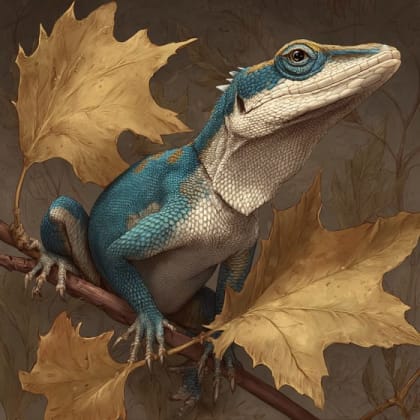
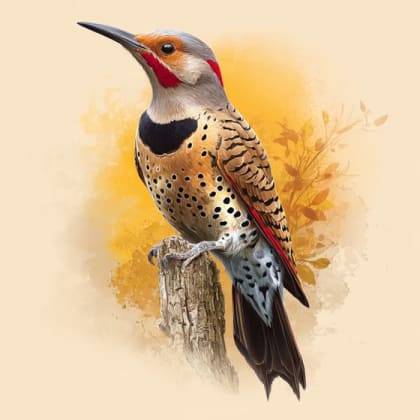
The park's relatively flat terrain makes for easy exploration, with the highlight being the Civilian Conservation Corps (CCC)-Carolina Bay Loop Trail, a one-mile path that winds through distinct habitats. Here, you can journey through lush bay forests rich with loblolly bay, red bay, sweetbay magnolia, pond pine, and the striking Atlantic white cedar. As you venture further, the landscape transitions to uplands dominated by resilient longleaf pine and American turkey oak, creating a varied botanical tapestry. Keep an eye out for local inhabitants like the Eastern Fence Lizard and Green Anole basking in the sun, or listen for the calls of the Southern Cricket Frog. Birdwatchers might spot a Double-crested Cormorant on the lake, a Ring-necked Duck, or observe forest dwellers such as the Eastern Wood-Pewee, Red-bellied Woodpecker, and Northern Flicker. With a bit of luck and patience, you might even catch a glimpse of the elusive American Black Bear or one of the park's resident bats, including the Rafinesque's Big-eared Bat, Eastern Red Bat, or Mexican Free-tailed Bat.
Singletary Lake State Park is a hidden gem for those who appreciate unspoiled natural beauty and a less-crowded outdoor experience. Its undeveloped shoreline and preserved ecosystems offer an authentic encounter with the Carolina bay environment, leaving visitors with lasting memories of peaceful moments and unique discoveries. Whether you're paddling across the dark waters, casting a line from the pier, or simply enjoying a breathtaking sunset over the lake, the park provides a memorable backdrop for reconnecting with nature and understanding the delicate balance of this remarkable landscape. Wondering what that bird or insect is? Find out on your visit using the Snappit nature app.
Singletary Lake State Park's origins trace back to the challenging era of the Great Depression. In 1936, the National Park Service acquired land around Singletary Lake as part of a federal recreational demonstration project, aiming to convert submarginal farmland into areas for recreation, education, and conservation. Under the Civilian Conservation Corps (CCC), young men constructed essential facilities, including an office, maintenance buildings, recreation facilities, and group cabins with a dining hall. These efforts laid the groundwork for what would become Camp Ipecac and Camp Loblolly Bay. Management of the park was transferred to the state of North Carolina in 1939, and it officially became state property in October 1954. Beyond recreation, the park served as a refugee center during the 1945 Cape Fear River floods and was utilized for anti-aircraft training during World War II, highlighting its diverse historical significance.
Hiking: Explore the CCC-Carolina Bay Loop Trail.
Paddling: Bring your own canoe or kayak to explore the lake's dark waters.
Fishing: Fish for largemouth bass, bluegill, pumpkinseed sunfish, yellow perch, and pickerel from the pier or a boat (NC fishing license required for ages 16+).
Nature Study & Birdwatching: Observe the unique plant communities and diverse bird species.
Picnicking: Enjoy meals amidst nature at designated picnic areas.
Spring & Fall: Mild temperatures, fewer insects, and excellent conditions for hiking and wildlife observation, particularly for migrating birds.
Summer: Warm, ideal for water activities like paddling. Be prepared for mosquitoes; strong insect repellent is highly recommended. Swimming is generally restricted to group campers in designated areas.
Winter: Cooler temperatures provide a peaceful, less crowded experience with fewer insects.
The park offers accessible parking spaces, an entrance ramp, and accessible restrooms. Camp Loblolly Bay and the Education Building are designed with accessibility in mind.
Fees: There are no fees for day-use visitors. Fees apply for group camping, vacation cabin rentals, and facility reservations.
An easy one-mile hiking trail that showcases the unique bay forest and longleaf pine ecosystems.
The focal point for paddling and fishing, offering scenic views and a tranquil atmosphere.
Extends into the lake, providing excellent vantage points for fishing, birdwatching, or enjoying a sunset.
A globally rare wetland type offering a chance to learn about unique geological formations and specialized flora.
Each card links to a full Explore page with photos, traits, and fun facts.
Start with the big picture, then zoom in to explore individual wildlife observations around this place.
Be Prepared for Bugs
Especially during warmer months, bring ample insect repellent. Consider long sleeves and pants to protect against mosquitoes.
Bring Your Own Watercraft
If you plan to paddle, you'll need to bring your own canoe or kayak, as rentals are not typically available.
Fishing License is a Must
Anyone 16 years or older wishing to fish in the lake must possess a valid North Carolina fishing license.
Check Ahead for Public Access
While public access for day use (hiking, fishing, paddling) is generally available, the park primarily serves group camps. Occasionally, parts of the park might be less accessible during large group events or off-season; checking with the park office beforehand can be helpful.
Stay on Trails
For your safety and to protect the delicate ecosystem, remain on marked trails. Venomous snakes can be present in the area.
Optimal Season for Comfort
Plan your visit for spring or fall to enjoy mild weather and minimize encounters with biting insects, making for a more comfortable and enjoyable experience.
Oct 24, 2025
Aug 31, 2025
Jul 8, 2025
May 31, 2025
Apr 21, 2025

Maryland, US
You might spot White-Tailed Deer and Eastern Gray Squirrel.
View guide →
.jpg)
District of Columbia, US
You might spot Eastern Gray Squirrel, Duck, and House Sparrow.
View guide →

Illinois, US
You might spot American Robin, Canada Goose, and House Sparrow.
View guide →

Virginia, US
You might spot Spotted Lanternfly and Northern Cardinal.
View guide →
Take the discovery with you
Identify the wildlife you spot, learn as you go, and keep a collection of the adventure.